
HDPE Pipe Butt Fusion Welding Guide
Weld quality depends on the qualifications of the operator, the suitability of the welding equipment and compliance with the applicable standard.
Puhui Industry produces and supplies FM1613 /WRAS- and NSF-approved HDPE pipes, fittings and associated welding solutions for mining and infrastructure applications.

You have successfully submitted your enquiry. Someone from our company will respond ASAP
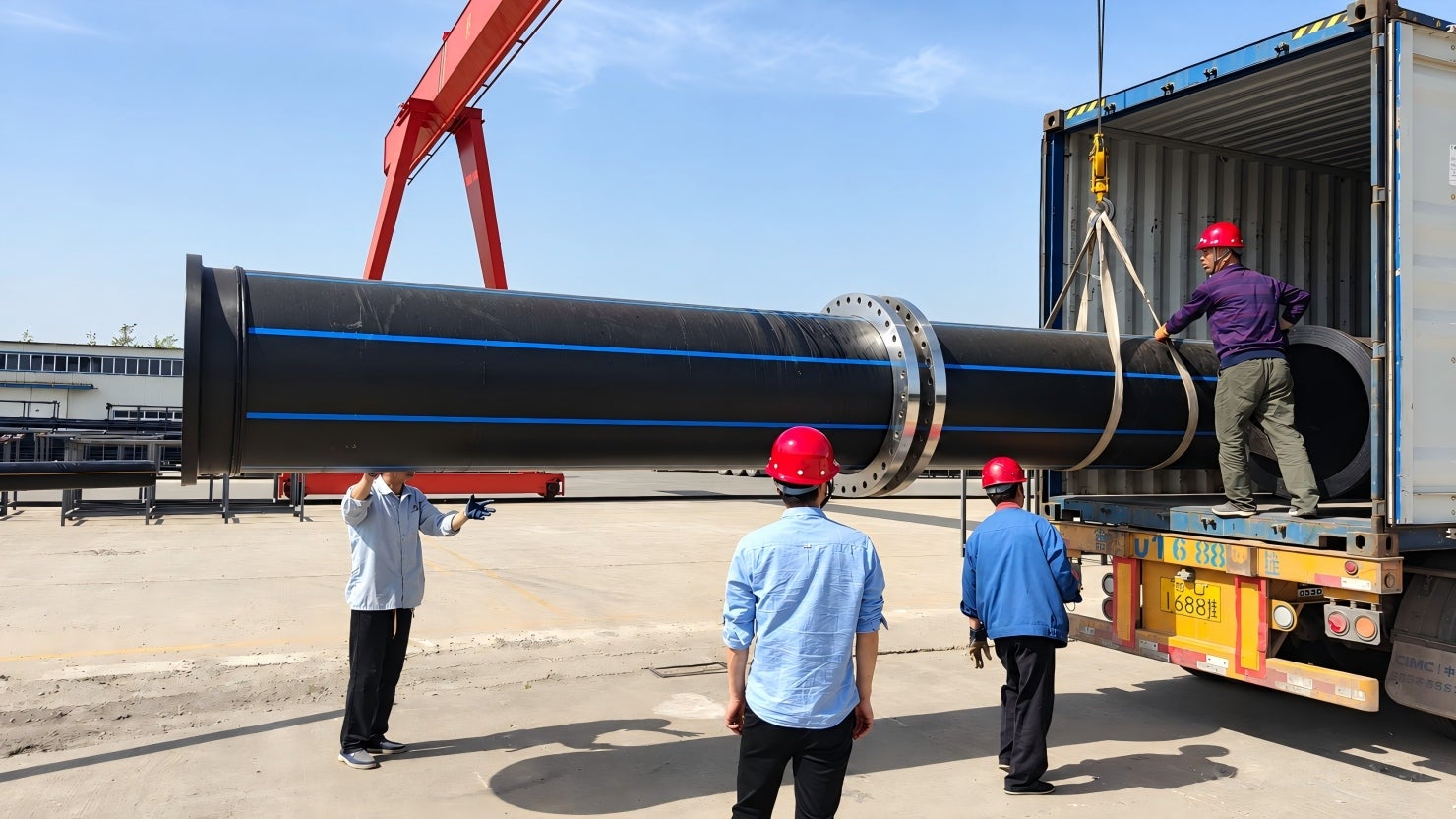
Puhui Industry manufactures FM1613 /WRAS- and NSF-approved HDPE pipes, fittings and associated welding equipment for mining and infrastructure projects worldwide.
The company’s HDPE mining pipes suit slurry and tailings conveyance, mine drainage, process water, dust-suppression water supply, and industrial fluid conveyance. Pipe diameters, wall thicknesses, and connection solutions can be configured to match the transmission medium, operating pressure, design flow rate, terrain conditions, and installation method.
Mining pipelines must withstand long-term exposure to abrasive particles, corrosive media, mechanical impact, ground subsidence and pressure fluctuations. Puhui Industry supplies mining pipes from PE100 or PE100-RC materials that meet the pipeline requirements of open-cast mines, underground mines and mineral processing facilities through their corrosion resistance, pipe flexibility and reliable connection performance.
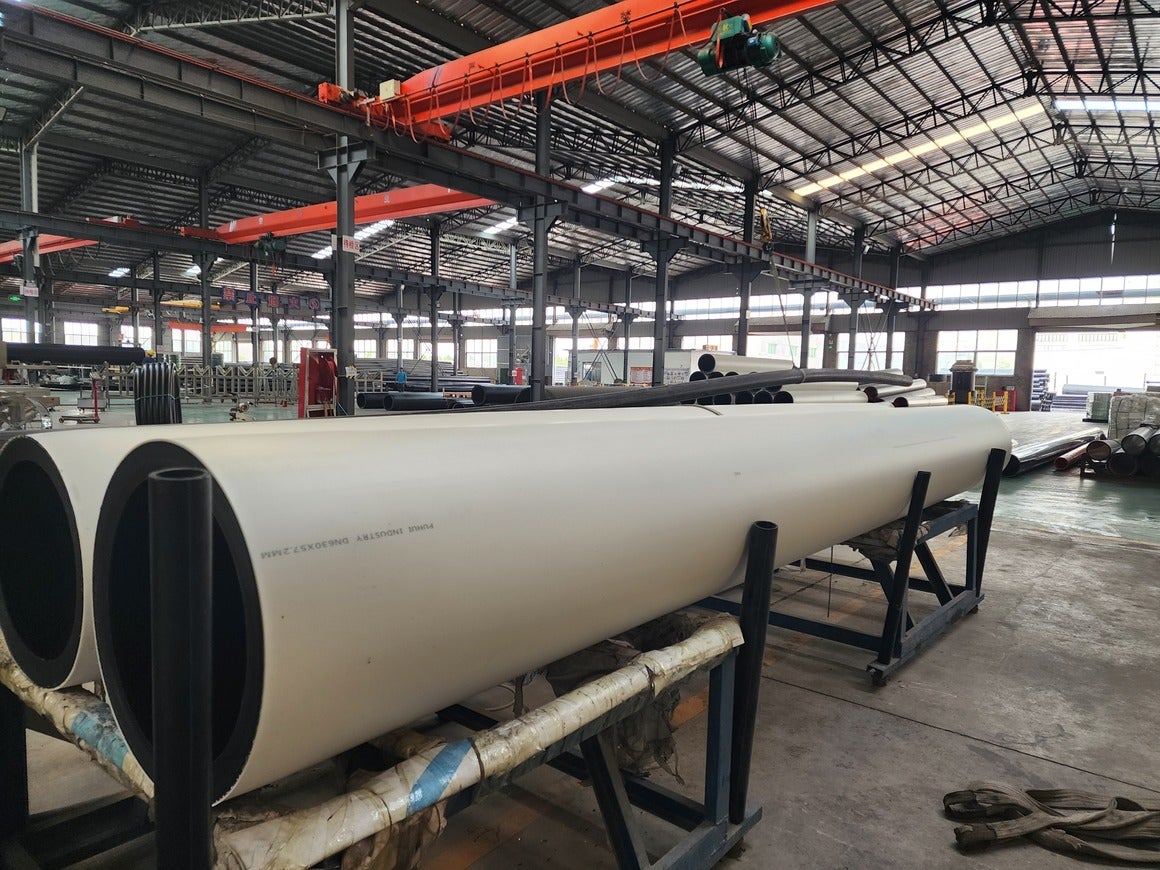
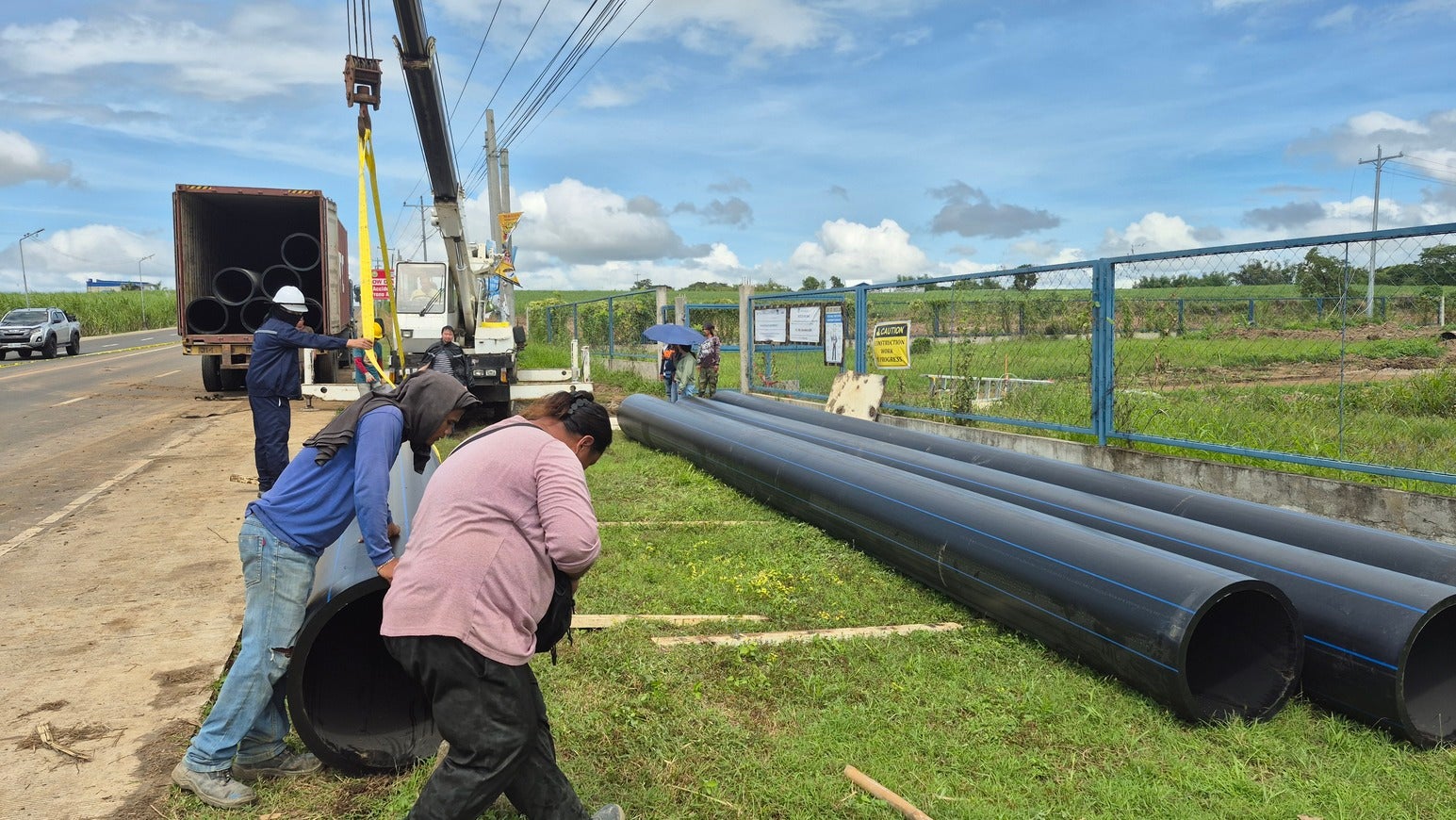
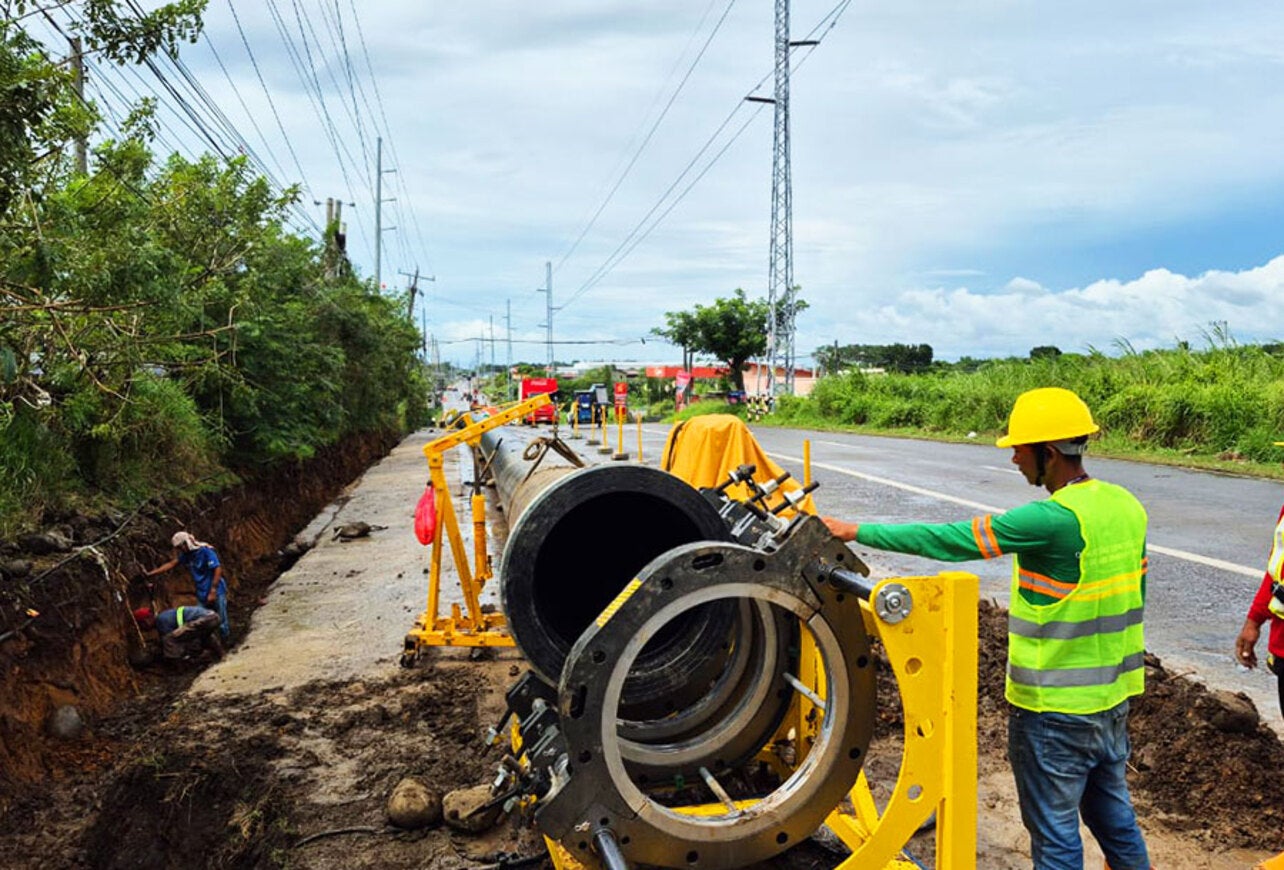
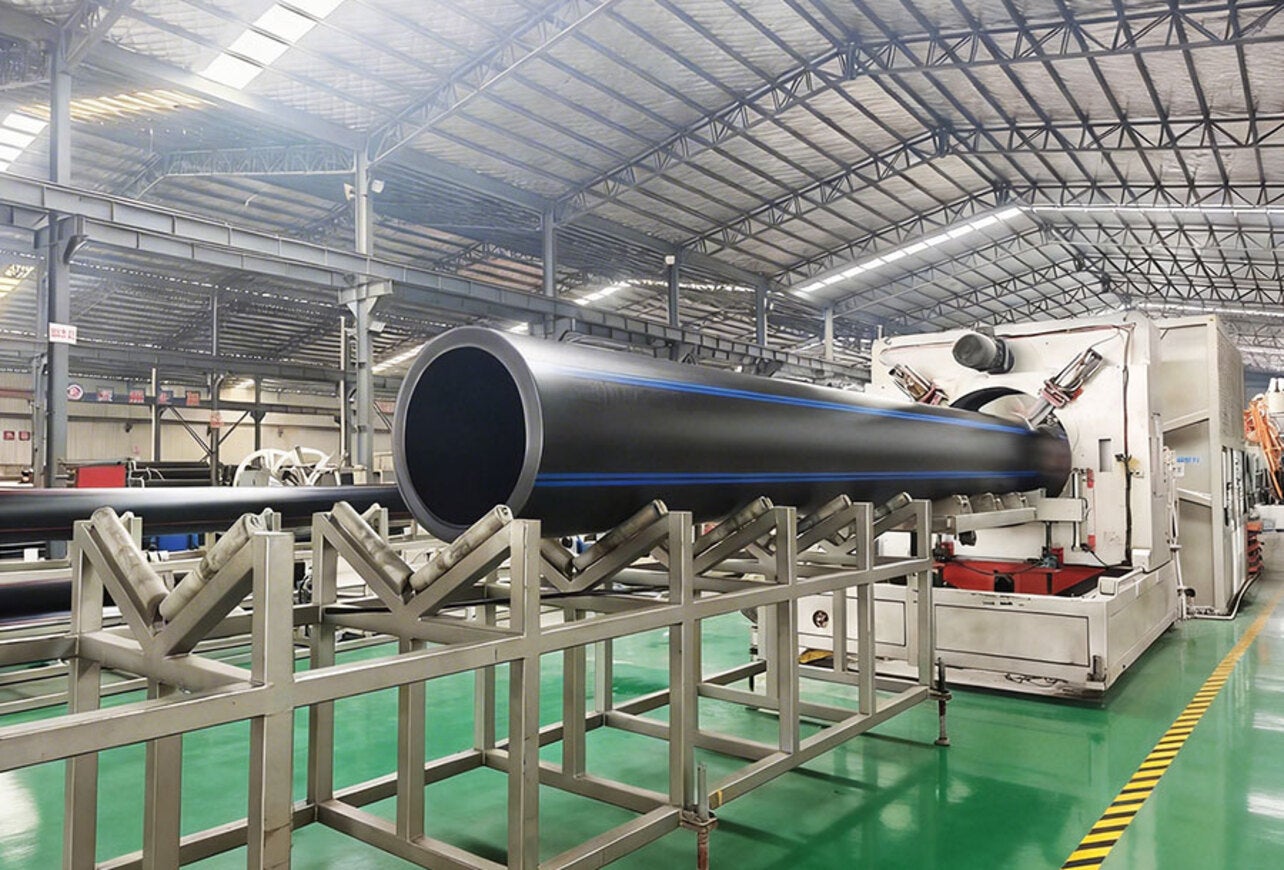
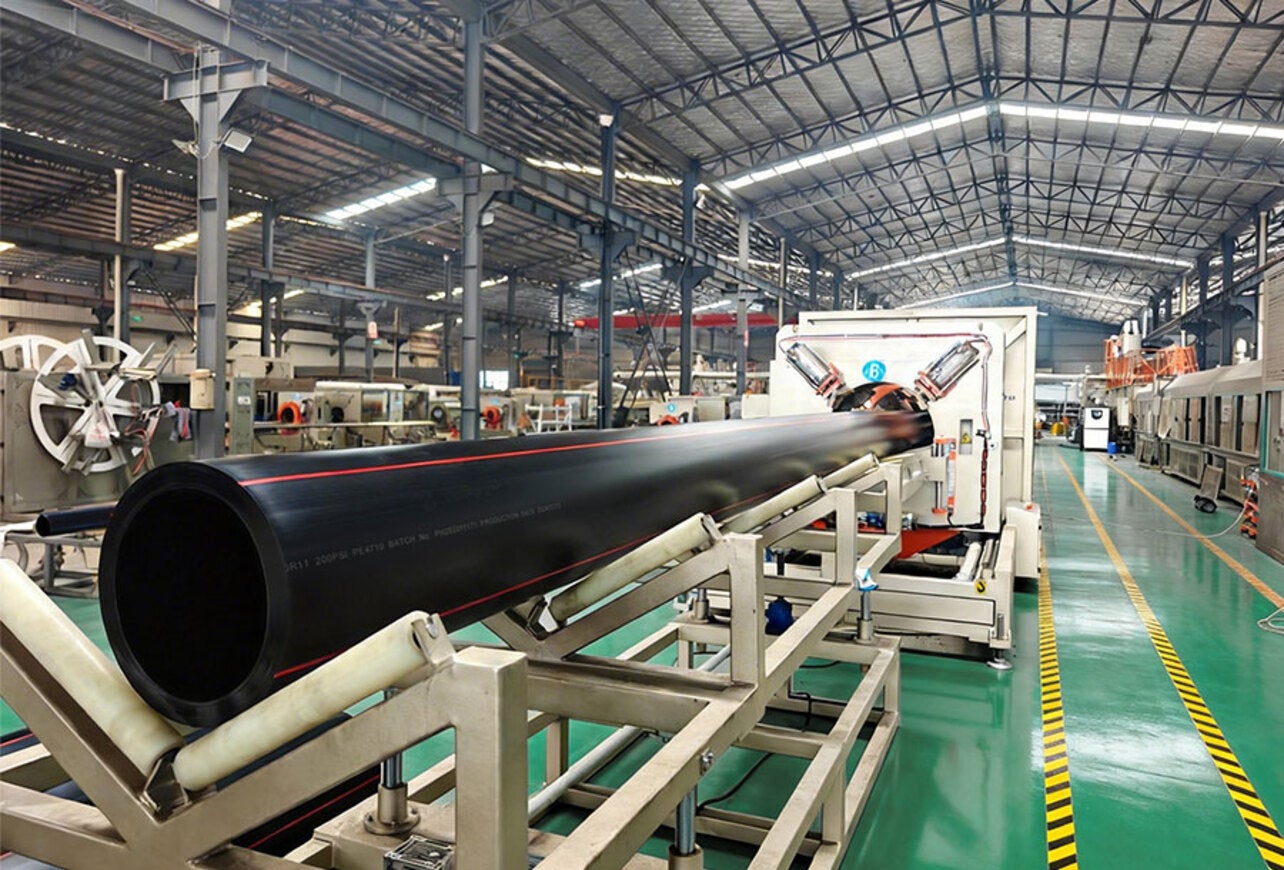
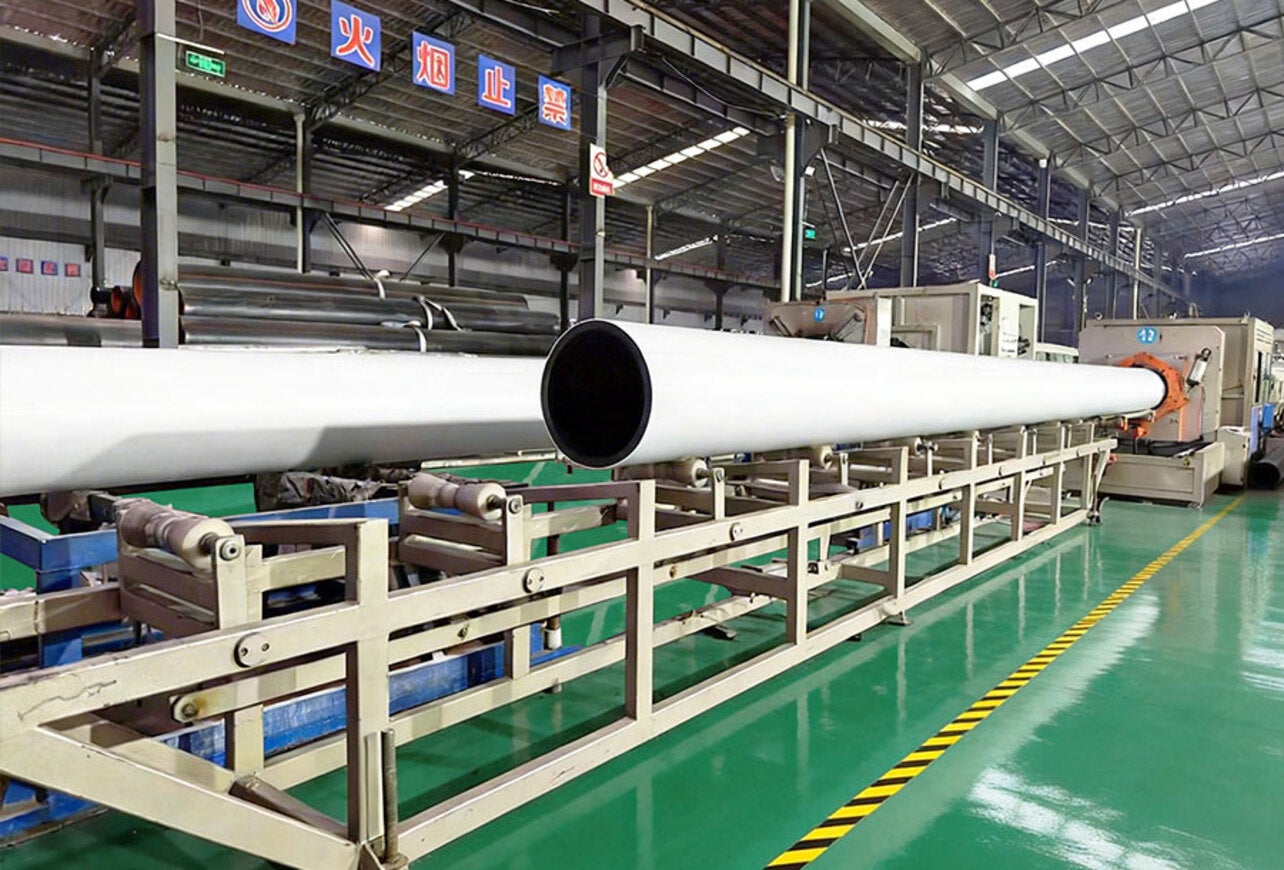
HDPE mining pipes feature a smooth inner wall, which helps to reduce conveyance resistance and minimise the deposition of mineral powder, sand grains and other solid particles within the pipe. Unlike conventional metal pipes, HDPE does not rust or accumulate scale, and can convey slurry, tailings, acidic or alkaline industrial media for which material compatibility has been confirmed.
The pipes can be joined using heat fusion butt welding, electrofusion or flanged connections. Fusion joints completed in accordance with applicable installation procedures form a continuous, sealed pipework system, reducing the risk of tailings or process fluids leaking from the joints. The inherent flexibility of the pipes allows the pipework to adapt to uneven terrain and a certain degree of ground movement.
Puhui Industry supplies HDPE pipes ranging from DN20mm to DN1800mm, with pressure ratings from PN5 to PN25. Commonly used SDR grades include SDR33, SDR26, SDR21, SDR17, SDR13.6, SDR11, SDR9 and SDR7.4. Products can be configured in accordance with project requirements to meet ISO 4427, EN 12201, ASTM or other applicable standards. The final standards, dimensions, nominal pressure and wall thickness will be subject to the technical documentation confirmed by both parties.
In addition to straight pipes, the company also supplies heat-fusion butt-weld fittings, electrofusion fittings and welding equipment. The project team can verify product specifications based on pipe diameter, medium, working pressure, temperature and installation location, providing a one-stop supply of pipes, fittings and connection equipment for mining pipeline projects.
HDPE mining pipes can be used for pit drainage, underground mine drainage, process water in mineral processing plants, dust suppression systems, heap leaching systems and industrial wastewater discharge. Compared with rigid metal pipes, HDPE pipes are lighter in weight, facilitating transport, handling and laying in remote mining areas, and can be installed either above or below ground depending on site conditions.
As an HDPE pipe manufacturer, Puhui Industry can supply black mining pipes, white mining pipes and white co-extruded mining pipes; it also supports customised lengths, colours and pressure ratings. The white outer layer can reflect solar radiation and is normally used in projects where it is necessary to reduce solar heat absorption by above-ground pipelines. However, the specific product configuration should still be confirmed based on climate, the medium being conveyed and the engineering design.
In addition to pipes for slurry and tailings conveyance and process water, Puhui Industry also supplies FM-certified HDPE pipes and fittings for underground fire-fighting water supply systems in mining areas, mineral processing plants and related industrial facilities.
HDPE pipes are characterised by their corrosion resistance, as well as good flexibility and suitability for fusion welding, which helps to reduce the risk of corrosion and joint leakage in buried pipework networks. For projects where FM-certified products are explicitly specified, the applicable certified models, pipe diameters, SDR ratings and rated working pressures shall be confirmed in line with the design requirements, and the corresponding certification documentation is supported as well.
In addition, pipelines used for slurry and tailings conveyance need to be selected separately by considering the medium and the actual operating conditions.
Puhui Industry possesses capabilities in HDPE pipe extrusion, injection-moulded fittings, heat-fusion fittings, electrofusion fittings, warehousing and quality inspection. During the production and inspection stages, Puhui shall inspect the products’ dimensions, physical appearance, and relevant performance characteristics in accordance with the order specifications, applicable standards and project contract. We will also provide product data and inspection documentation as per export requirements.
The company has manufactured plastic pipes and supplied international projects since 2007, with operations spanning the mining, water supply, drainage, natural gas, dredging, chemical, irrigation and other industrial sectors.
Puhui Industry has supplied pipes and fittings to numerous countries and regions. Mining case studies featured on the official website include the mining pipeline project in Mongolia and the double-layer co-extruded HDPE mining pipe project in Australia.
If you require product specifications or a quotation, please provide the intended pipe application, the medium to be conveyed, the external diameter, the SDR or pressure rating, the quantity, the length per pipe, the applicable standards and the delivery location.
The Puhui Industry project team will verify the mining pipes, connection methods, matching fittings and the required technical documentation accordingly.
Contact the Puhui Industry Team Now.
Our Website: www.phtopindustry.com
Weld quality depends on the qualifications of the operator, the suitability of the welding equipment and compliance with the applicable standard.
This whitepaper explains the reasoning behind HDPE pipe quality testing and the four demanding stages of assessment that a high-quality pipe must pass.
Puhui HDPE Pipe Quality Inspection Report
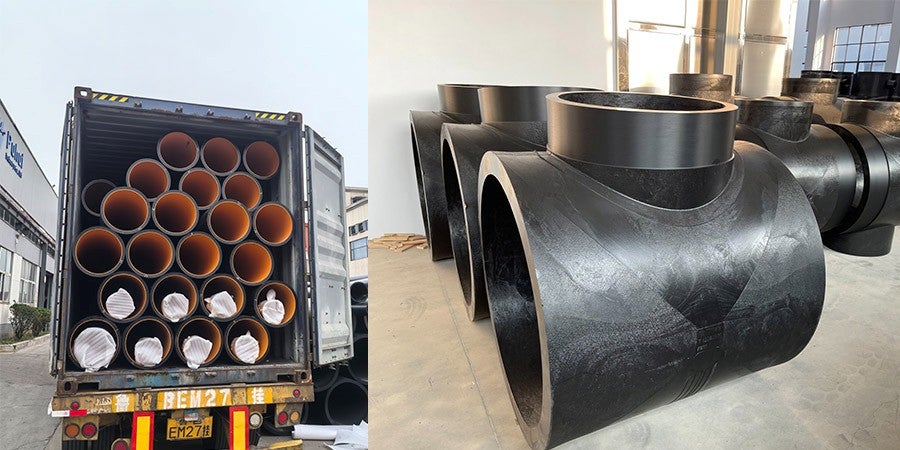
Exporting HDPE pipes to major mining hubs is no longer a matter of meeting a single international standard. Projects in Australia, Chile, Peru, Brazil and other key markets require a precise combination of product standards, third-party certification marks, material traceability documents and customs-ready paperwork. Missing any element can delay clearance, block project acceptance or exclude a supplier from approved vendor lists.
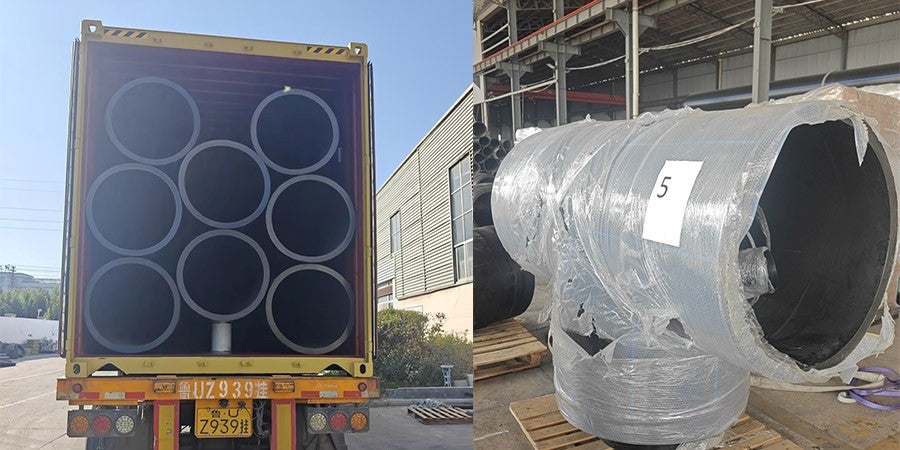
Mega mining projects place extreme demands on pipeline supply. Tailings lines, return-water systems, process-water mains and dewatering networks frequently require HDPE pipe in diameters of 1,000mm and above, often in quantities spanning multiple kilometres and under tight construction windows. When large-diameter pipe arrives late, installation crews stand idle, hydrotesting is postponed and overall project schedules slip.
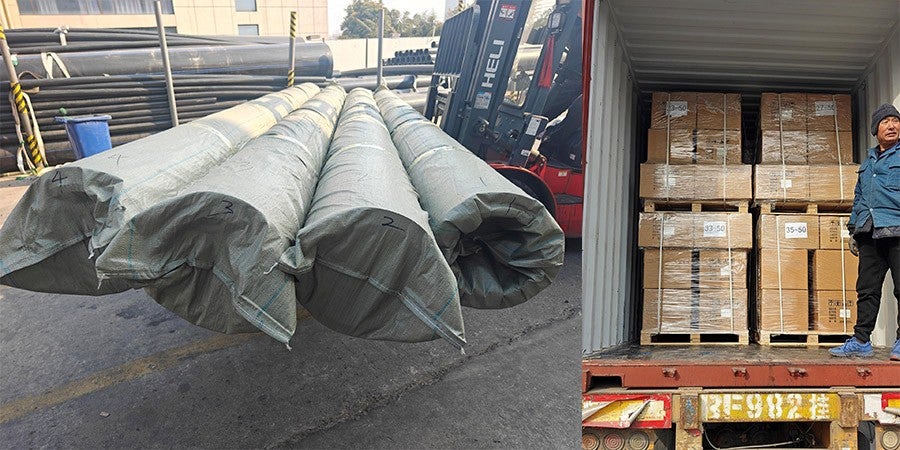
Remote mining projects present some of the most demanding supply chain challenges in the industry. Large-diameter HDPE pipes must travel long distances by sea, sometimes by air for urgent needs, and finally reach sites with limited road access, extreme weather, or complex customs procedures. When packaging fails or logistics are poorly planned, the result is damaged pipe, delayed installation, and rising project costs.
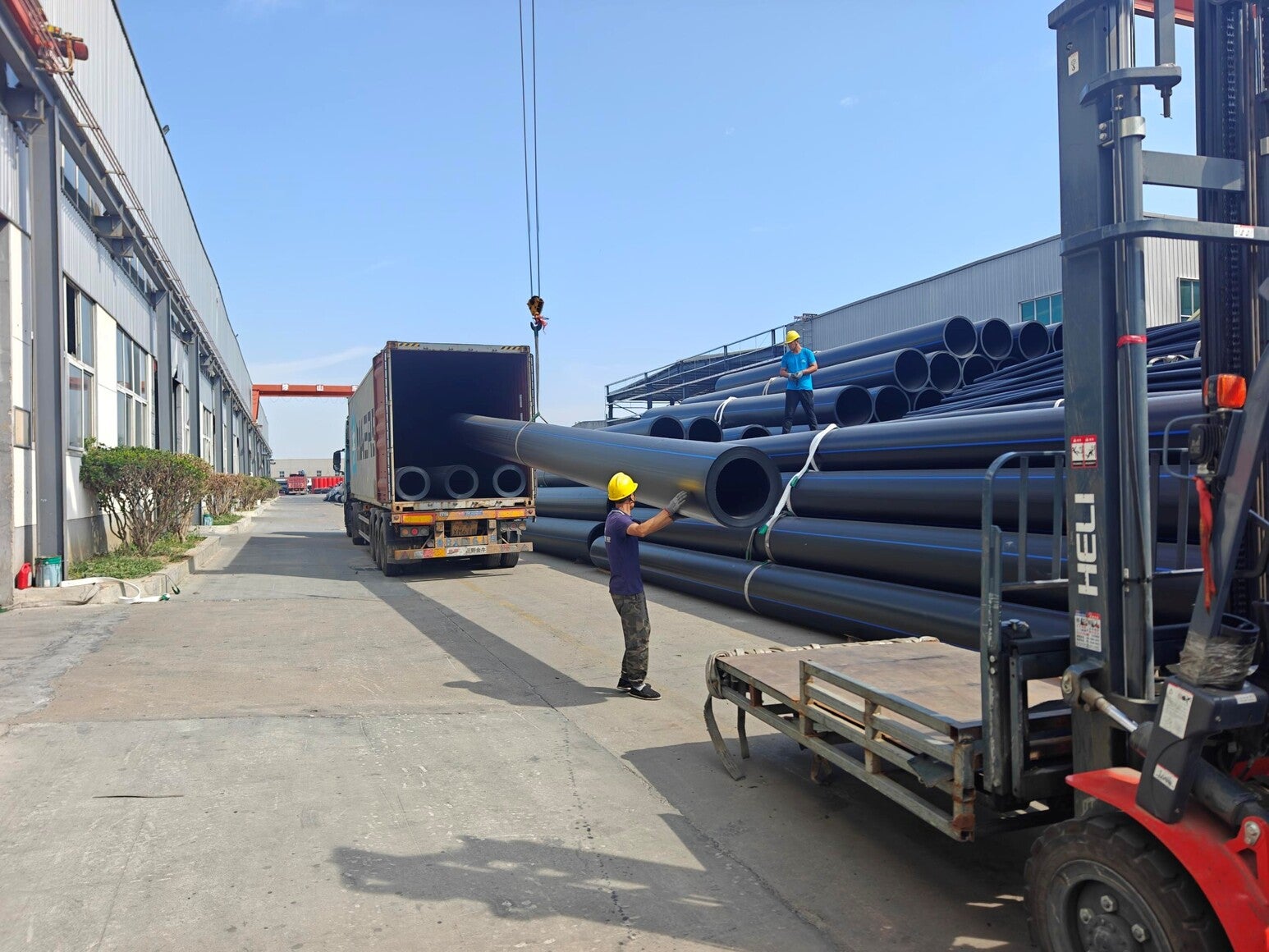
Global mining projects frequently operate under conflicting technical specifications. One project may require pipes manufactured to ISO 4427, while another—or even the same project under a different owner or EPC contractor —demands compliance with AWWA C906. These are not interchangeable labels. They represent two complete engineering systems with different material classifications, dimensioning rules, design factors, and long-term performance verification methods.
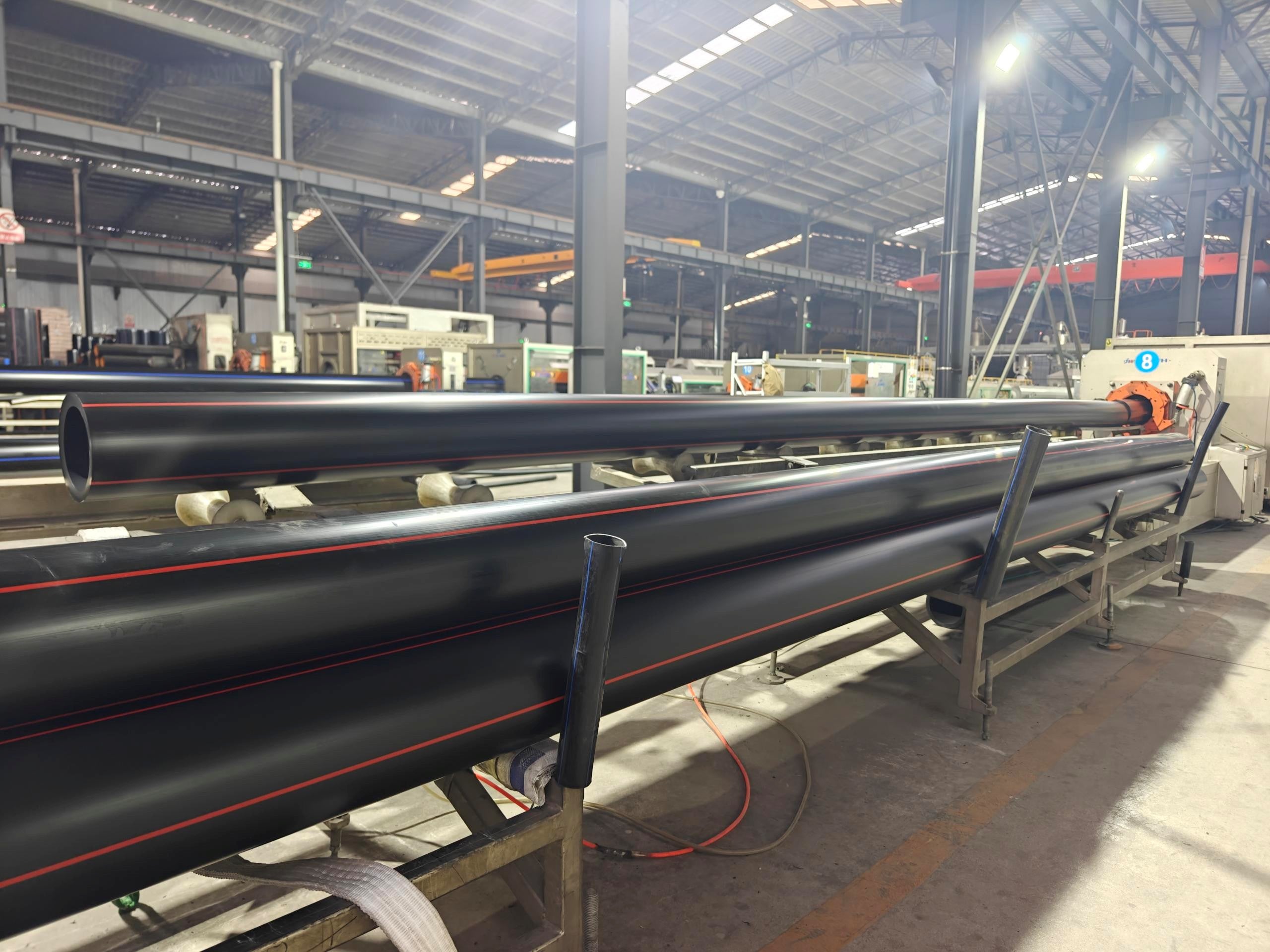
Puhui Industry maintains full batch traceability from incoming resin to finished pipe and fittings. The company operates under continuous FM surveillance, and products carry the verifiable FM mark. MTCs and factory test reports are issued with clear batch linkage and can be cross-checked against pipe markings.
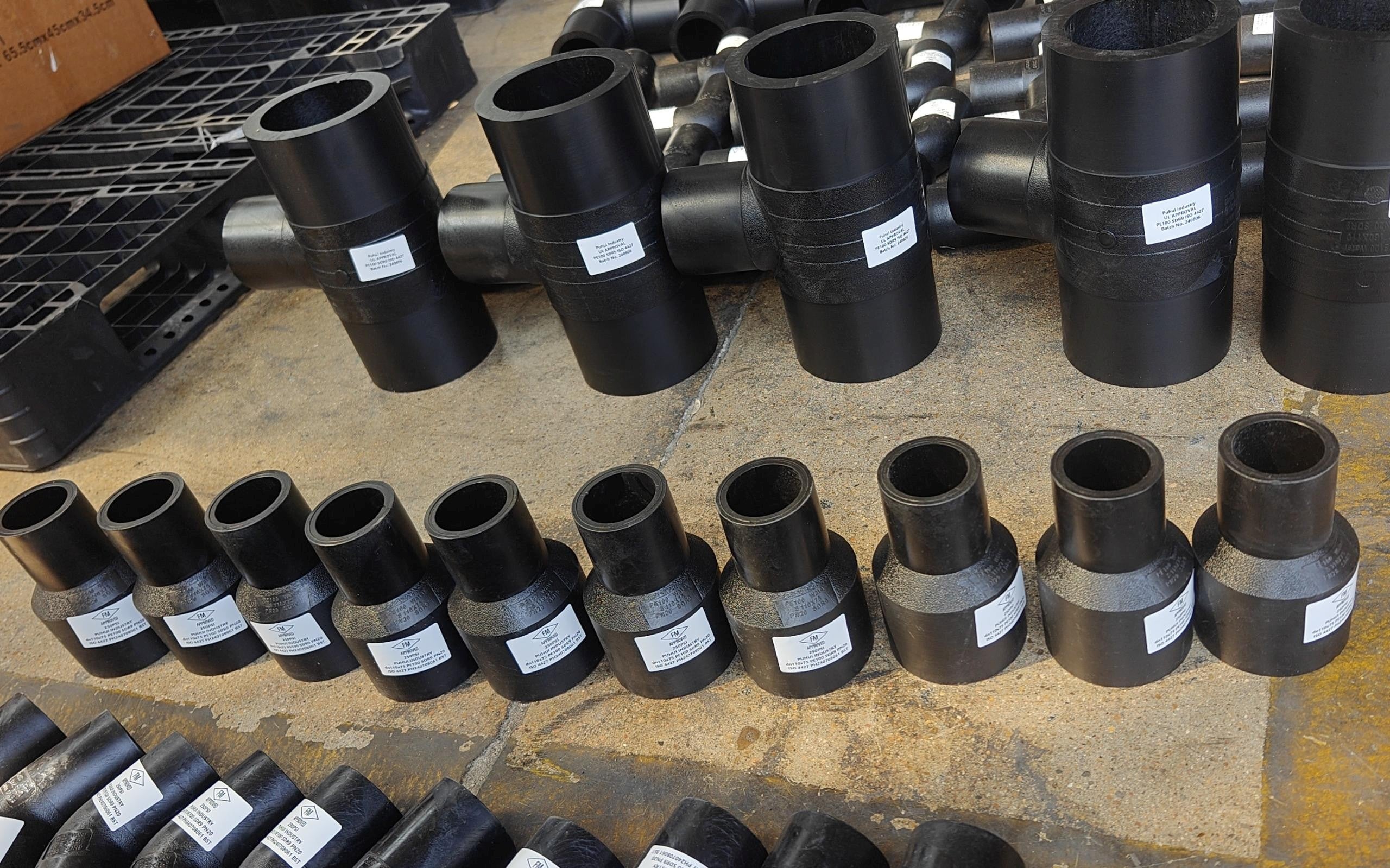
Underground mine fire protection systems allow zero margin for failure. A single weak joint can interrupt water supply at the critical moment, turning a controllable incident into a major loss of life and assets. Many mining projects currently accept a dangerous compromise: the pipe carries FM 1613 approval while the fittings do not. That single gap creates the weakest link in the entire system.
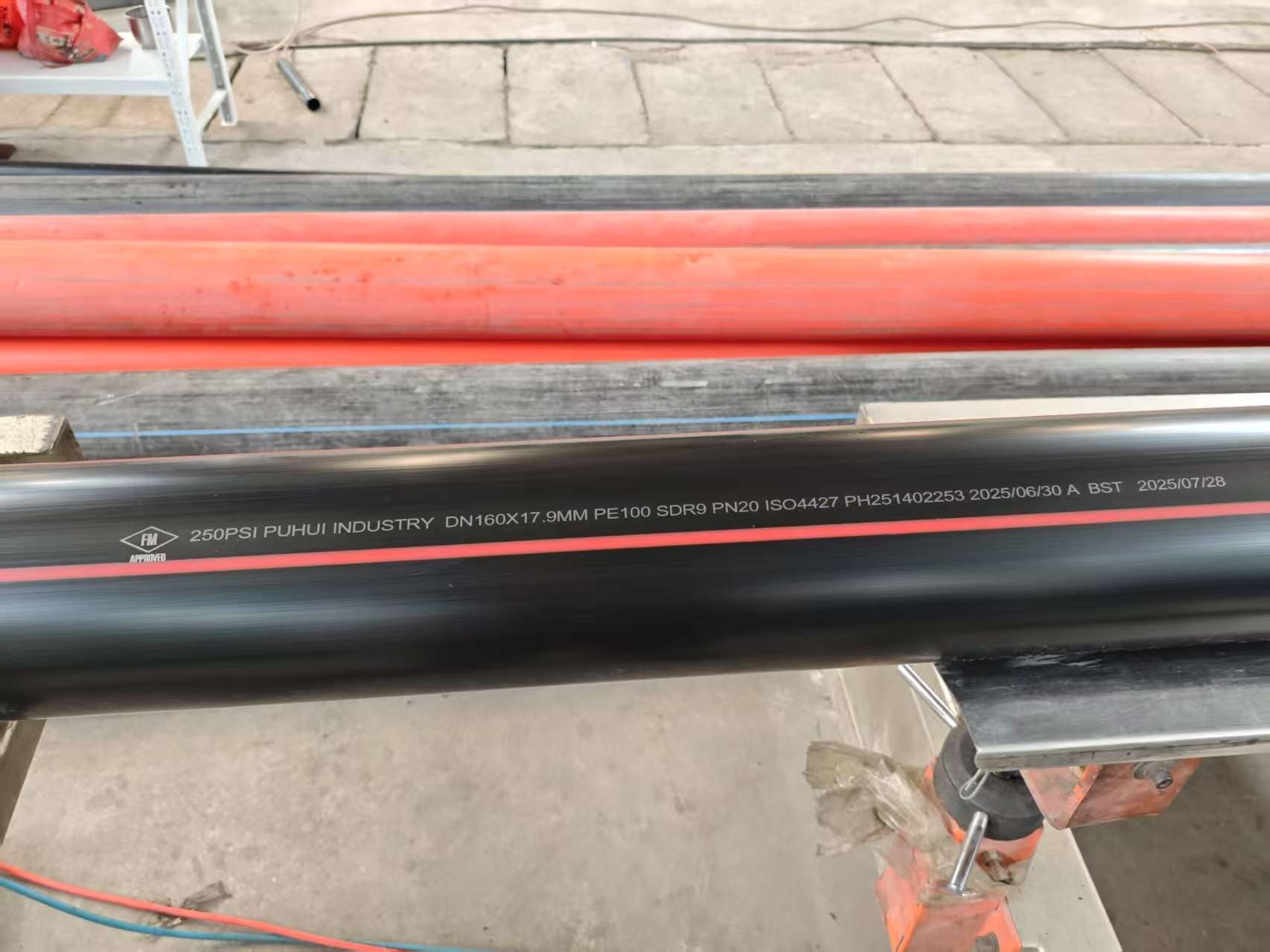
Underground mine fires present extreme risks. Limited escape routes, restricted ventilation, and delayed rescue access mean fire protection systems must deliver design flow and pressure the moment they are needed. Any failure in the underground fire-water main can turn a controllable incident into a catastrophic loss of life and assets.
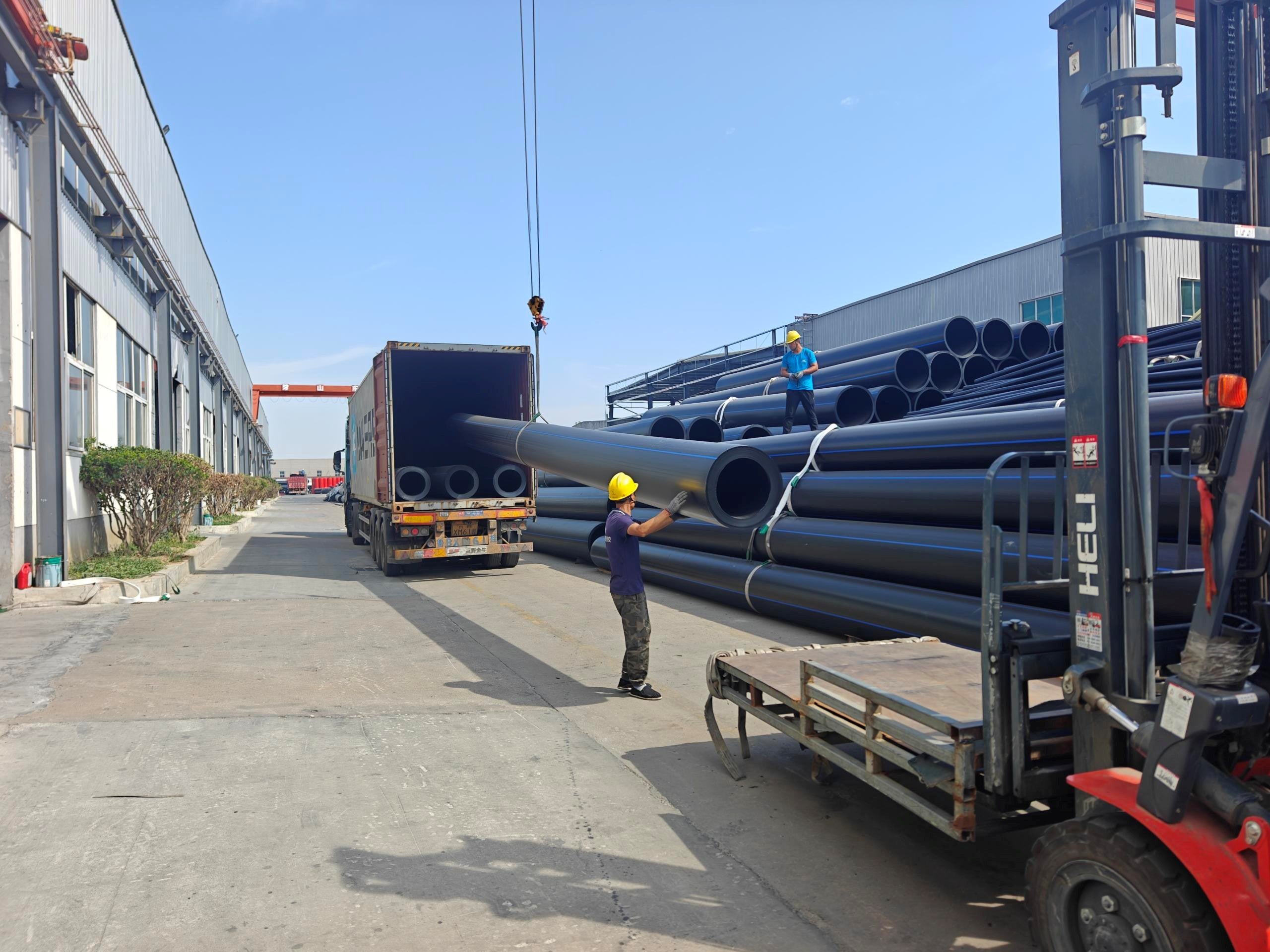
Heap leaching remains one of the most widely used extraction methods for copper and gold. Copper operations typically circulate dilute sulfuric acid solutions at pH1.0–2.5. Gold operations use alkaline cyanide solutions maintained at pH10.5–13. Both environments combine aggressive chemistry, abrasive solids, temperature fluctuations, and continuous service that rapidly degrade conventional metal piping.
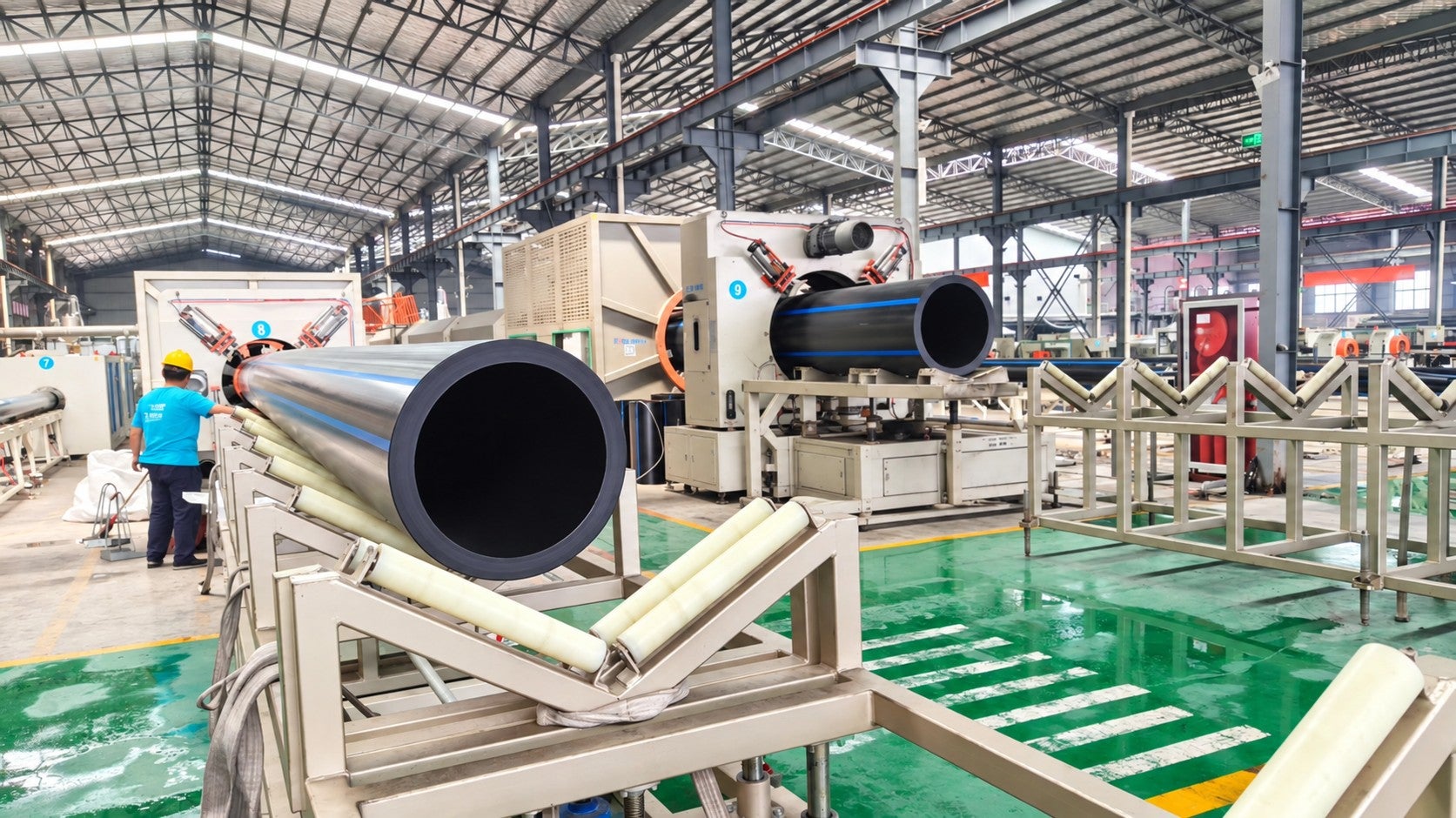
Tailings management sits at the sharp end of mining’s environmental and regulatory responsibilities. A single pipeline failure can trigger costly remediation, regulatory penalties, operational downtime and lasting damage to community trust. In this high-stakes environment, operators increasingly demand piping systems that combine extreme pressure capacity with verifiable zero-leak performance. Ultra-thick-wall SDR 6 HDPE pipelines, joined by proper heat-fusion methods, deliver exactly that combination — and are among the high-pressure solutions manufactured and supplied by Puhui Industry for mining projects worldwide.
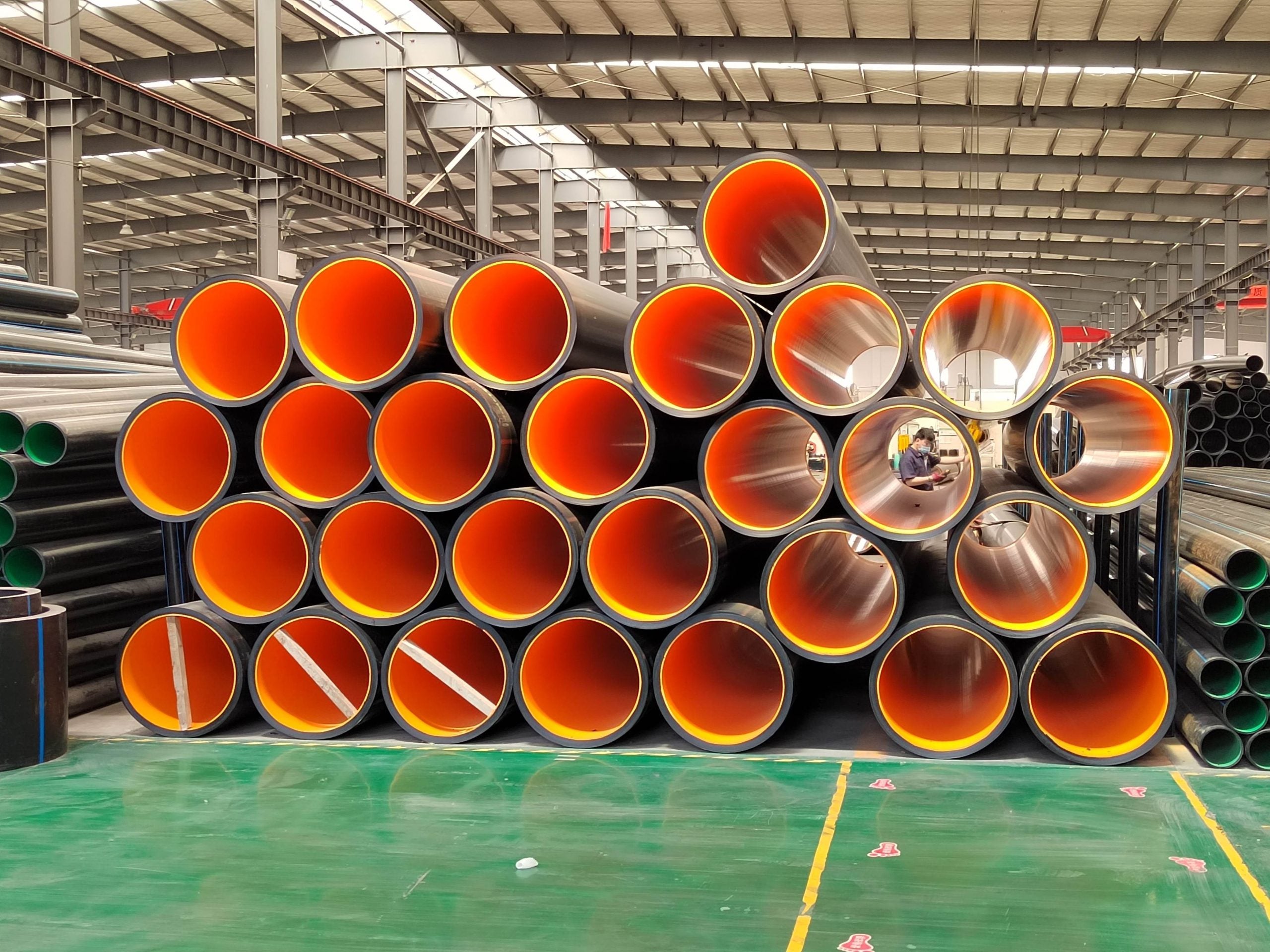
At Puhui Industry, as a professional manufacturer specialising in HDPE pipes and fittings, we want to share why PE100-RC HDPE pipes are systematically outlasting steel in abrasive mining applications.
Mining operations in the Andes of Peru, Chile and neighbouring countries routinely face some of the most demanding environmental conditions on earth. In this setting, piping systems must remain leak-free and structurally sound year after year. High-quality, internationally certified HDPE piping systems have proven well suited to these challenges. Puhui Industry, a global supplier of HDPE pipes and fittings for mining applications, manufactures systems specifically engineered and verified for high-altitude and sub-zero service.
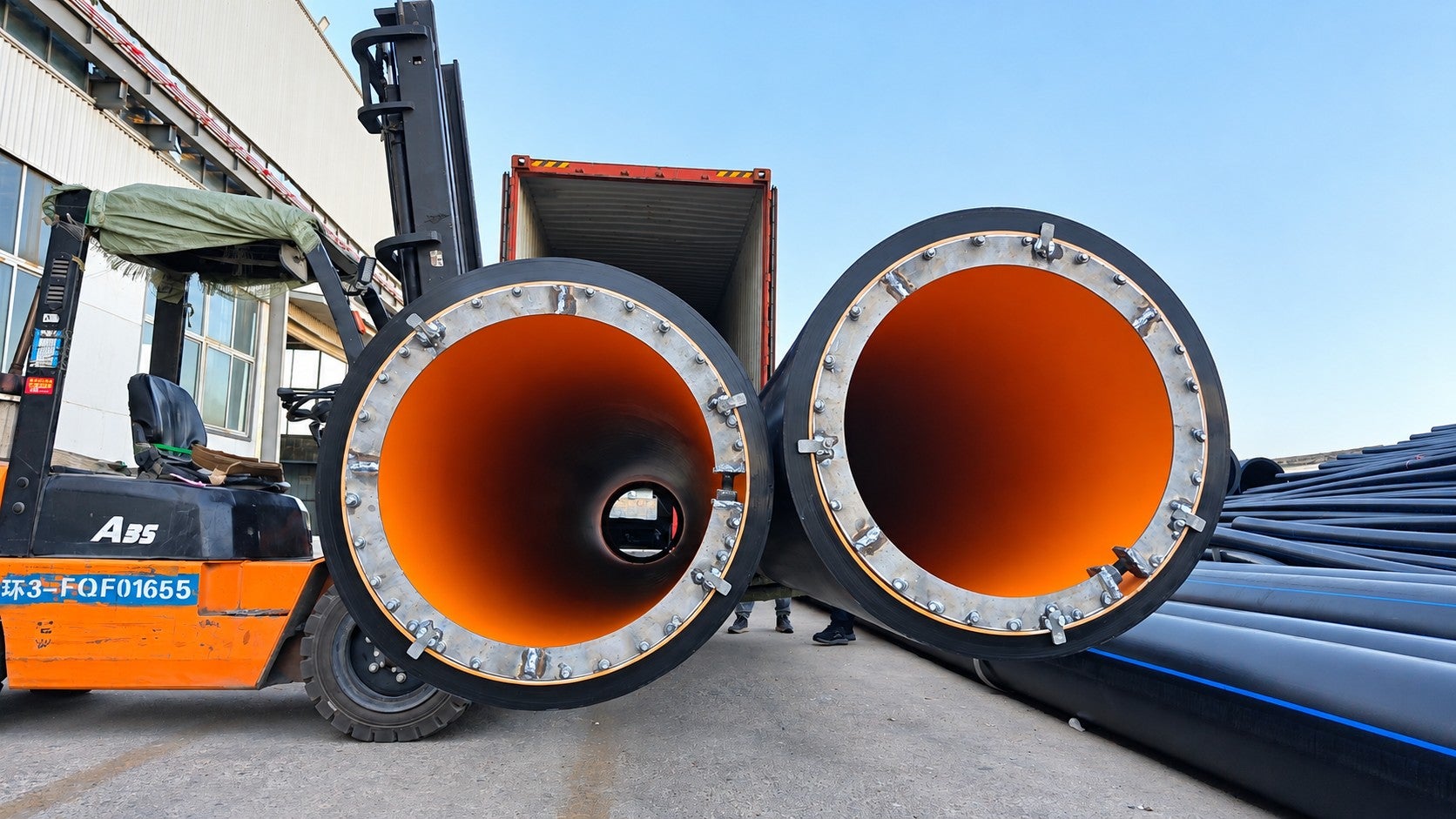
Many operators are now actively replacing SRTP systems with solid-wall high-density polyethene (HDPE) pipes and fittings. This shift is driven by a clear priority: eliminating sudden failure modes and achieving genuine long-term system integrity.
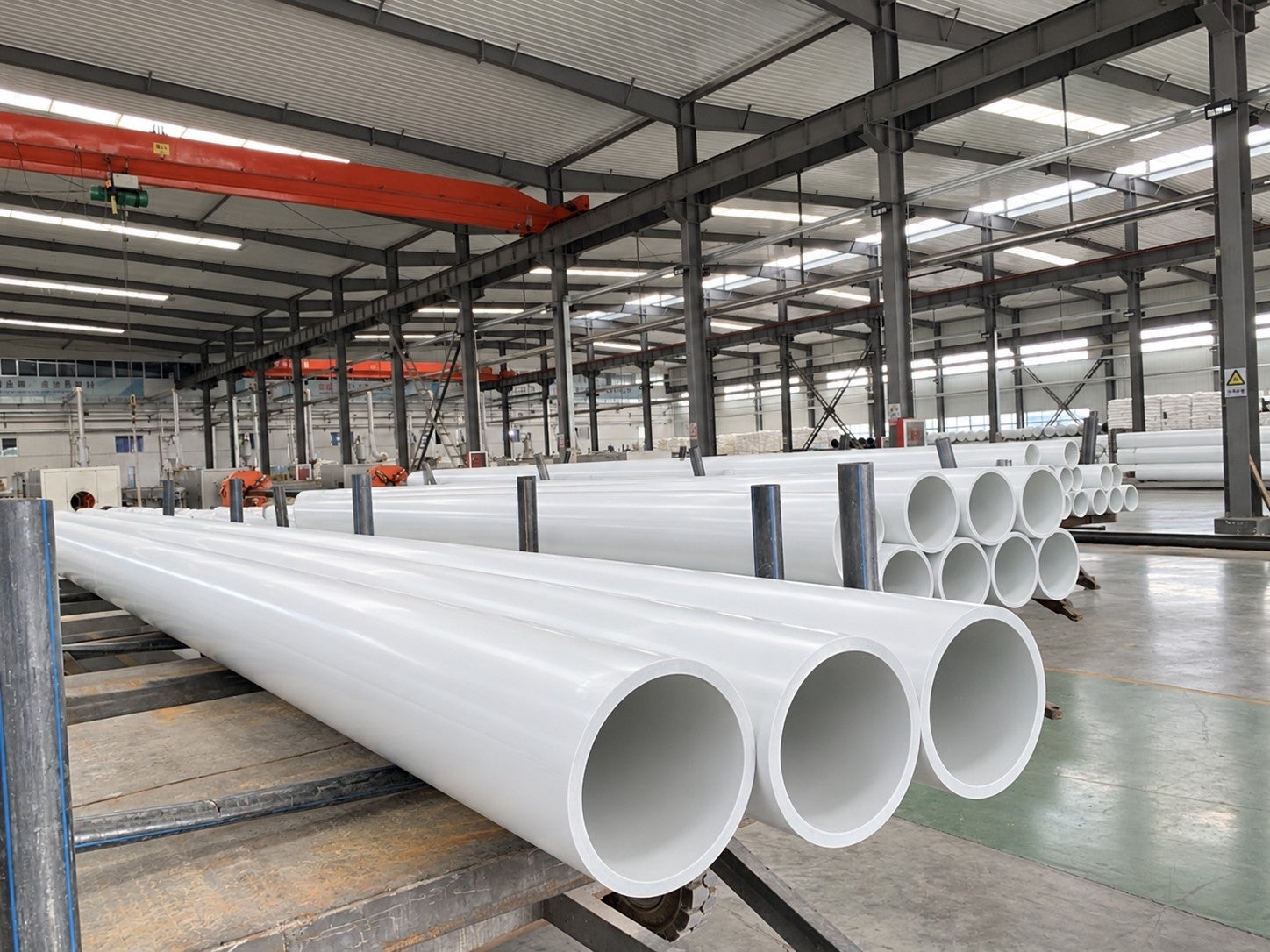
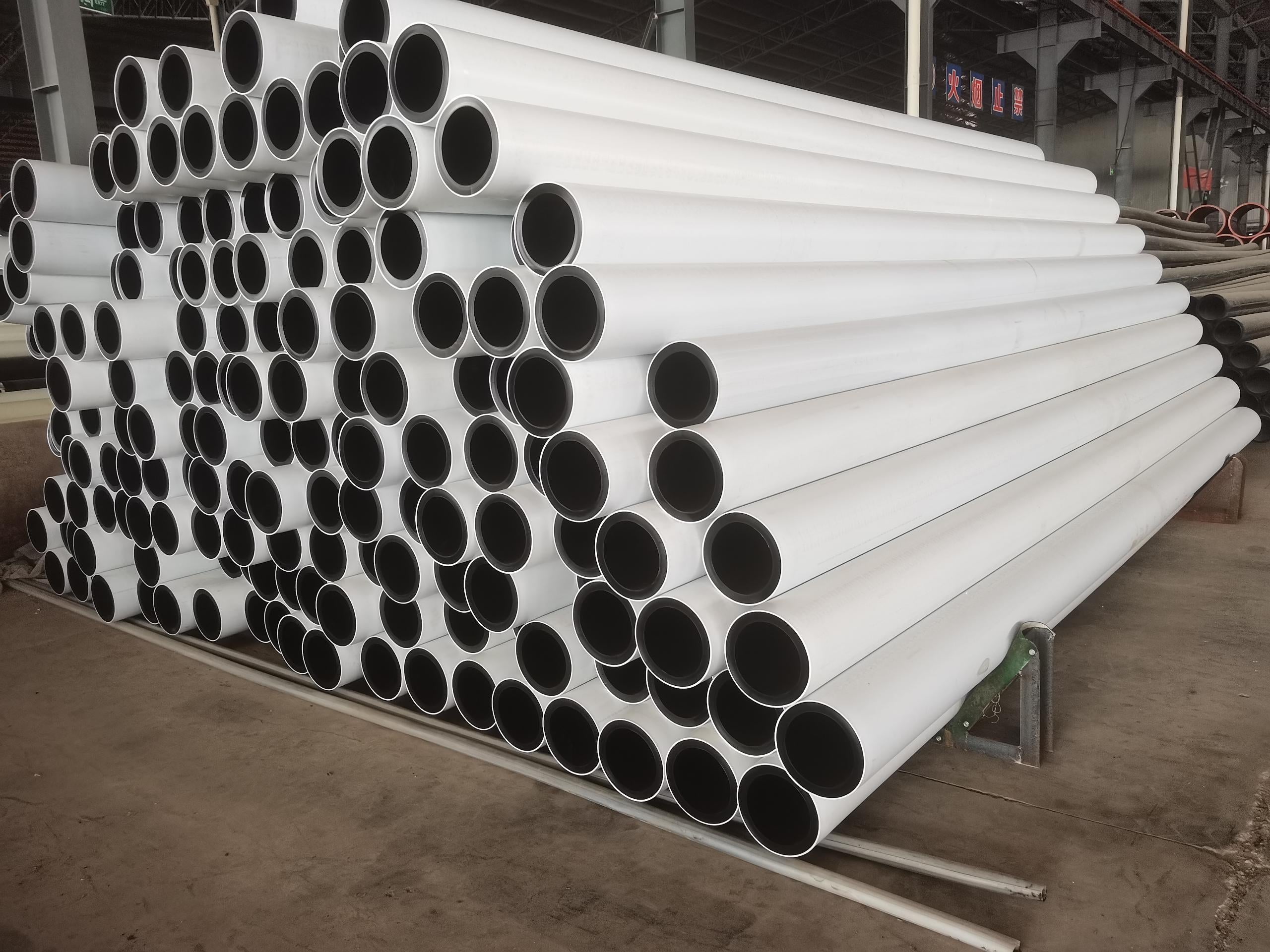
The colour of these all-white HDPE mining pipes extends throughout the entire pipe wall; it is not a surface coating, nor a co-extruded structure that is white on the outside and black on the inside. The white surface helps reduce solar heat absorption in open-air surface pipelines; The cuts, machined surfaces and areas with slight surface wear remain white, facilitating on-site identification.
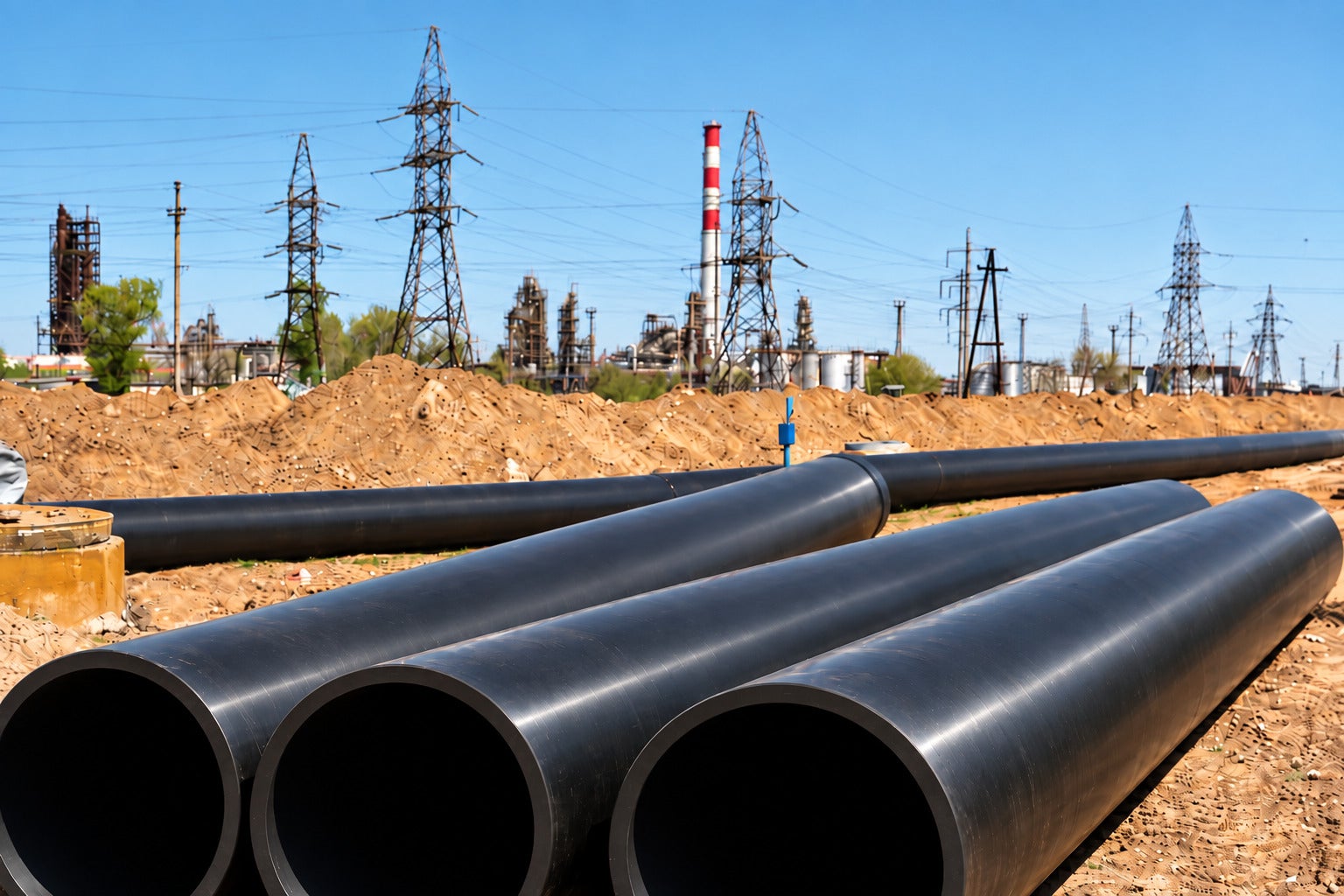
High-pressure solid black HDPE mining pipes are specifically engineered for high-pressure applications of PN20 and above. Based on the design criteria for PE100 at 20°C, clients typically select between SDR9 (PN20) and SDR7.4 (PN25) specifications. These pipes are widely used in high-pressure main pipelines for high-head underground drainage, mine dewatering, pumping raw water, process water, and tailings return water.
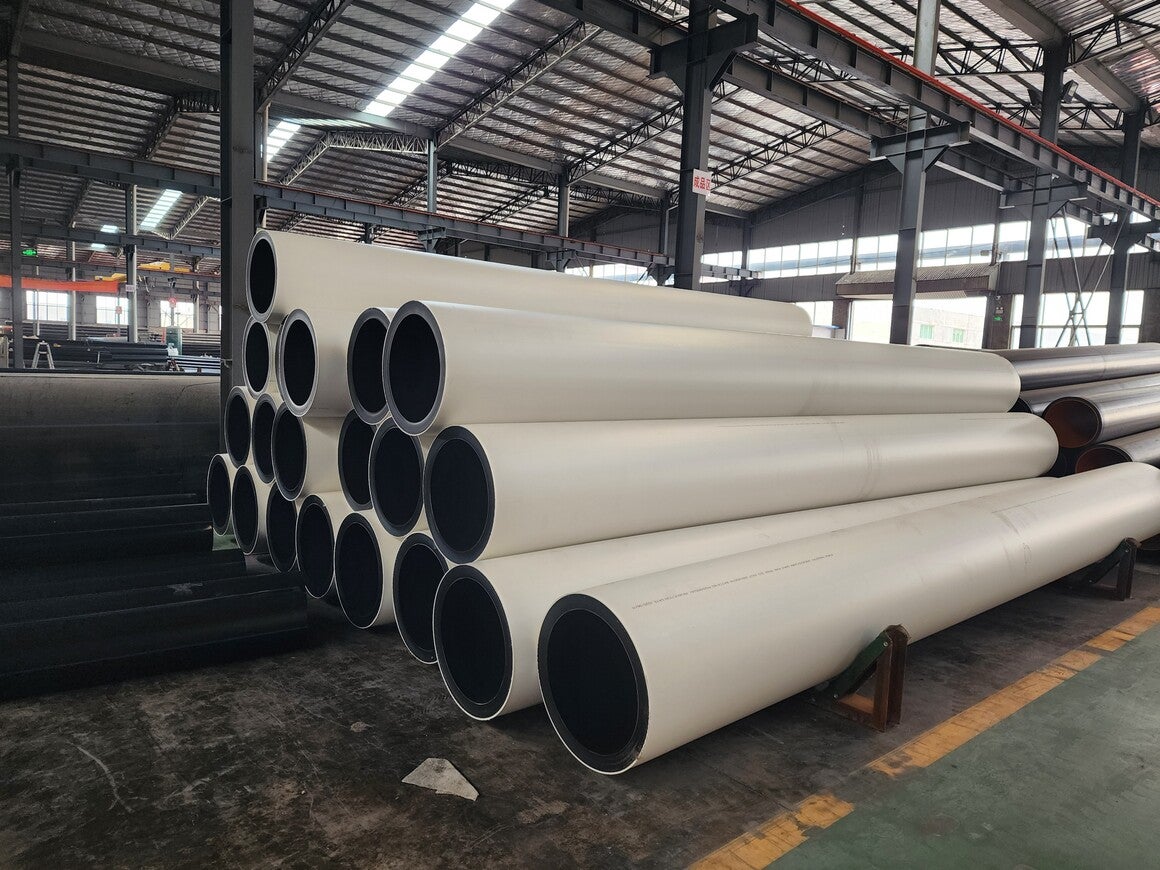
Open-pit mine pipelines are subjected to solar heating during the day and cooling at night. These temperature cycles cause the pipelines to expand, contract and shift, transferring this movement to elbows, supports, anchor points, flanges, and pump/valve connections. Puhui Industry’s white co-extruded HDPE pipes reduce solar heat input through a synchronously formed white outer layer, while retaining the pressure-bearing capacity of the black PE100 pipe wall.
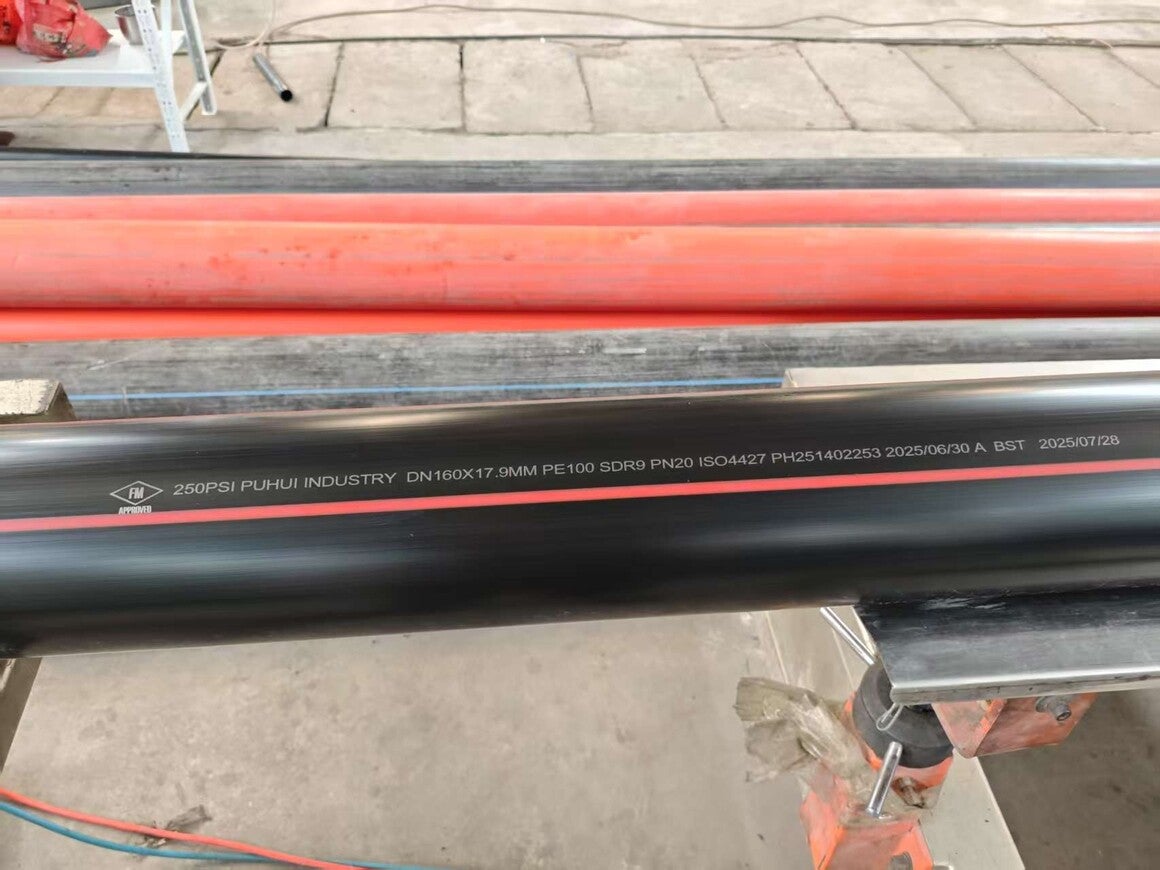
Puhui Industry is currently the only manufacturer of HDPE pipes and fittings in mainland China to have obtained the FM 1613 certification; all relevant underground fire protection HDPE products can be verified in the official FM certificate and Approval Guide.
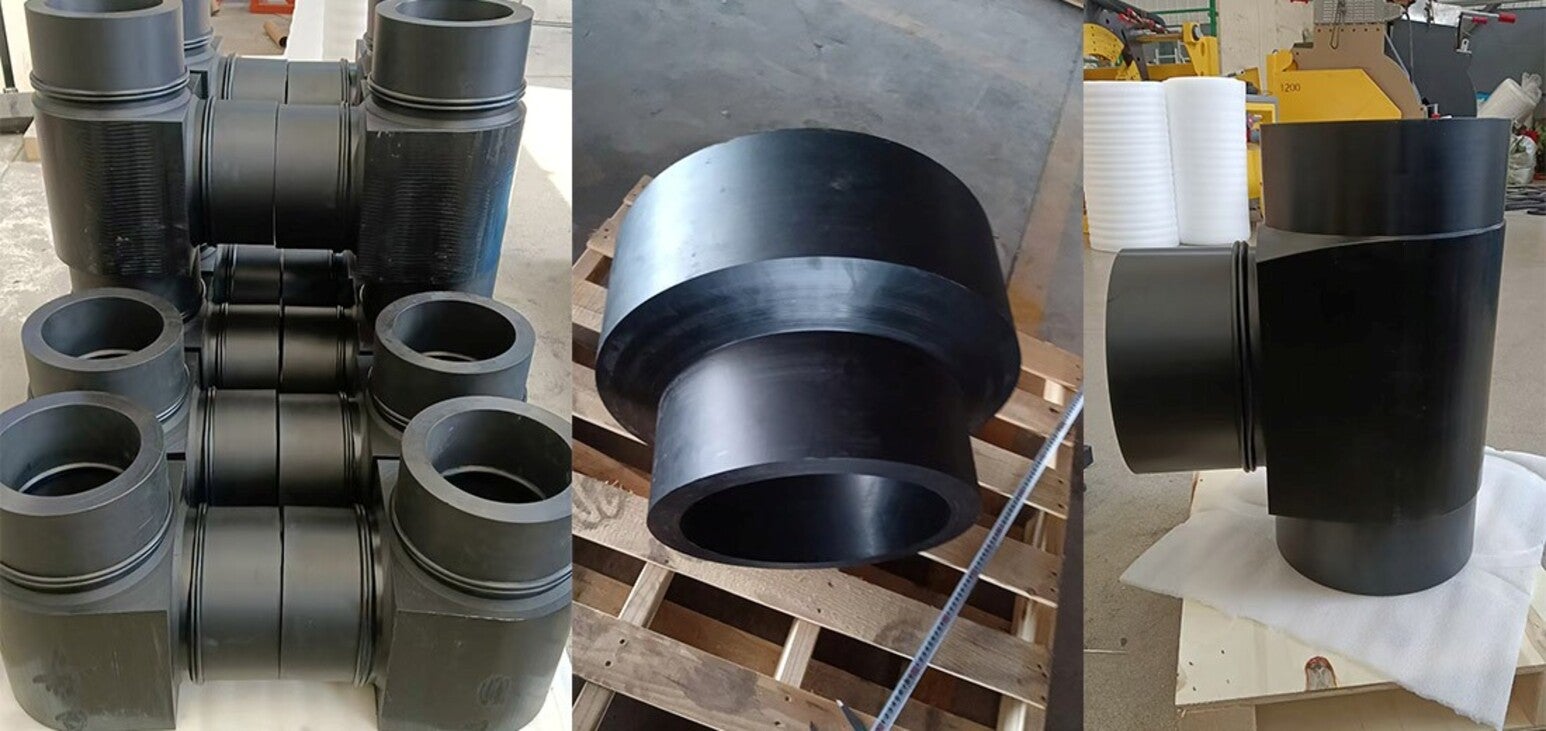
In high-pressure mining pipeline systems, pump station outlets, slope transitions, equipment connections, and wall penetrations often face complex spatial constraints and high-pressure challenges when standard injection-moulded parts struggle to meet requirements for ultra-thick walls or non-standard specifications. Puhui uses solid and thick-walled hollow homogeneous PE100/PE100-RC rods to create custom-machined HDPE pipe fittings through precision machining.
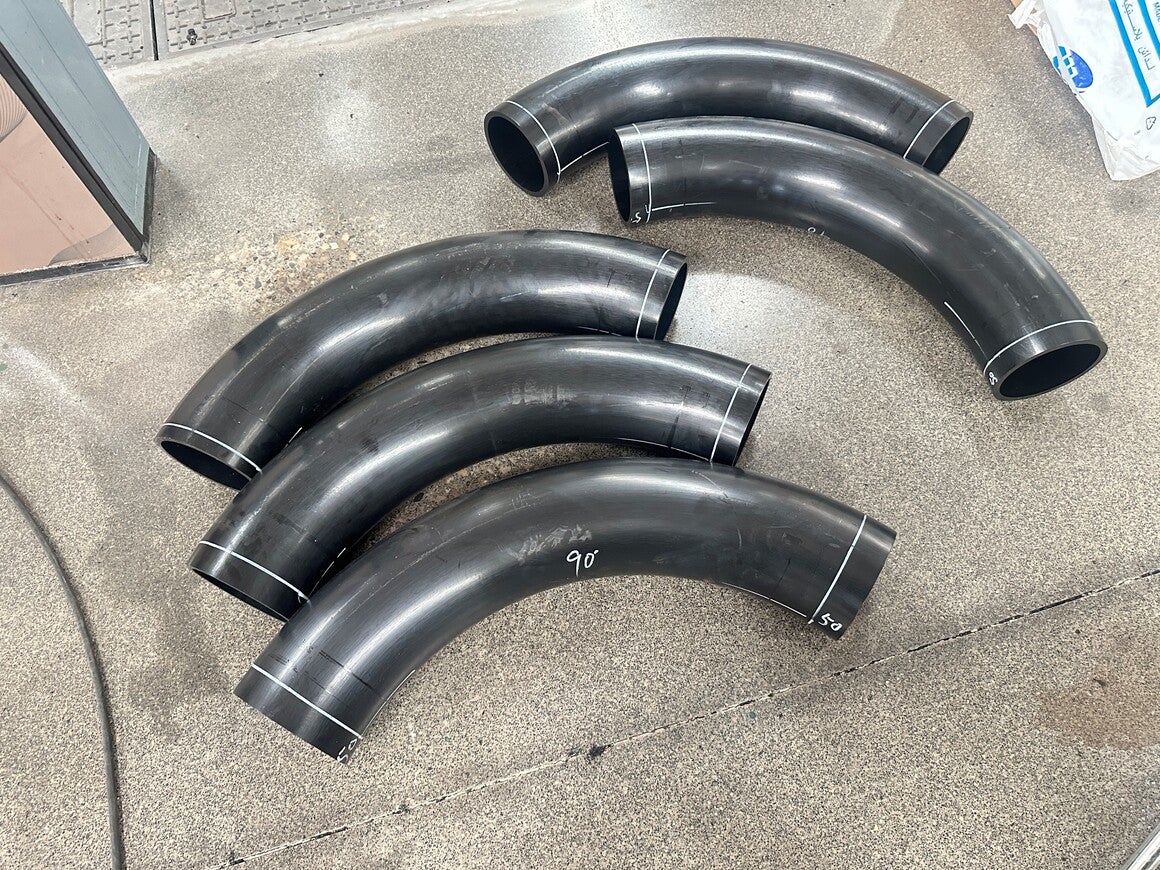
Puhui Industry’s one-piece thermoformed HDPE large-radius Bend pipe (Sweep Bend) is formed by the entire section of pressure pipe through controlled heating, mould forming, cooling and shaping. Unlike traditional segmented mitred bends, which involve mitred cuts and welded joints, the one-piece thermoforming process ensures the curved section maintains a seamless pipe wall with no internal mitred welds.