
ASNZS 4130 and Essential Certifications for HDPE Pipes in Australian and South American Mining Projects
Exporting HDPE pipes to major mining hubs is no longer a matter of meeting a single international standard. Projects in Australia, Chile, Peru, Brazil and other key markets require a precise combination of product standards, third-party certification marks, material traceability documents and customs-ready paperwork. Missing any element can delay clearance, block project acceptance or exclude a supplier from approved vendor lists.
This guide focuses on the practical certification requirements mining engineers, procurement teams, and EPC contractors must address—especially AS/NZS 4130 for Australia and related documentation expectations across South American mining regions—and explains how a manufacturer with proven multi-market compliance capability reduces risk and accelerates delivery.
Why generic international standards are not enough
ISO 4427 and ASTM F714 define material performance, dimensions and long-term hydrostatic strength. They form the technical foundation for most HDPE pressure pipe. However, destination markets layer additional mandatory or strongly preferred requirements on top of these base standards:
- Local product standards and dimensioning rules
- Independent third-party certification marks
- Batch-specific material test certificates (MTCs)
- Origin and conformity documents required by customs
Without the correct combination, shipments can be held at port, rejected during site inspection, or fail insurance and regulatory reviews. The cost of delay on a large mining project far exceeds the cost of preparing the right documentation from the start.
Australia and New Zealand: AS/NZS 4130 and related requirements
For pressure applications in Australia and New Zealand, the primary product standard is AS/NZS 4130 (Polyethylene pipes for pressure applications). Fittings are covered by AS/NZS 4129. Installation practices reference AS/NZS 2033.
Many water authorities, mining companies and infrastructure projects further require third-party product certification such as StandardsMark or WaterMark. These marks confirm that the manufacturer’s quality system and ongoing production are independently audited against the AS/NZS standards. Material certificates must link each batch of resin and finished pipe to the applicable standard, pressure class (PN) and dimension ratio (SDR).
Mining applications also require practical assessments of abrasion resistance,slow crack growth performance and traceability. Specifiers typically request current certificates, recent batch test reports and evidence that the supplier has previously delivered AS/NZS-compliant pipe to Australian projects.
South American mining markets: Chile, Peru, Brazil and neighbouring countries
South American mining projects commonly reference ISO 4427 as the base performance standard, but local authorities and major operators impose additional documentation requirements. Typical expectations include:
- Complete material test documentation(often EN 10204 3.1 style) linking resin grade, carbon-black content, melt-flow index and hydrostatic results to the specific production batch
- Certificates of origin
- Conformity declarations against the project specification
- In some jurisdictions, additional health, safety or environmental documentation
High-altitude Andean sites (Chile, Peru) place extra emphasis on low-temperature performance, UV resistance and long-term oxidation stability. Brazilian and other markets may require specific local conformity processes or third-party inspection reports before clearance and site acceptance.
A manufacturer that already holds the relevant international approvals and maintains batch-level traceability can supply the complete file set required by both customs and the project owner, avoiding last-minute gaps.
Building a complete compliance package
A workable export package for mining HDPE pipe normally contains:
- Current product certificates against the governing standard (AS/NZS 4130, ISO 4427, etc.)
- Third-party marks where required (StandardsMark, WaterMark, FM 1613, NSF, etc.)
- Batch-specific MTCs with resin identification, mechanical and hydrostatic results
- Certificate of origin and commercial shipping documents
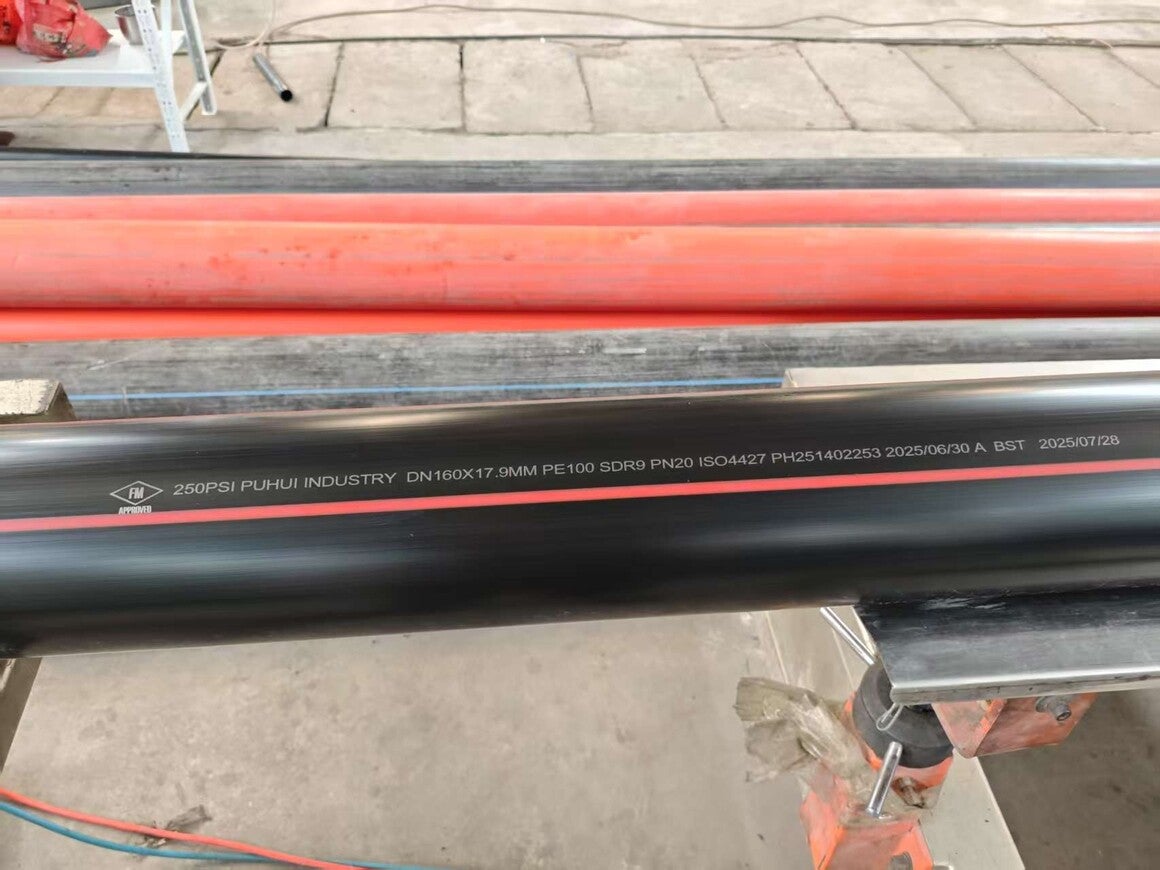
- Dimensional and marking verification against the purchase order
Consistency between pipe markings, certificates and the commercial invoice is essential. Any mismatch is a common trigger for customs queries.
Proven multi-market capability
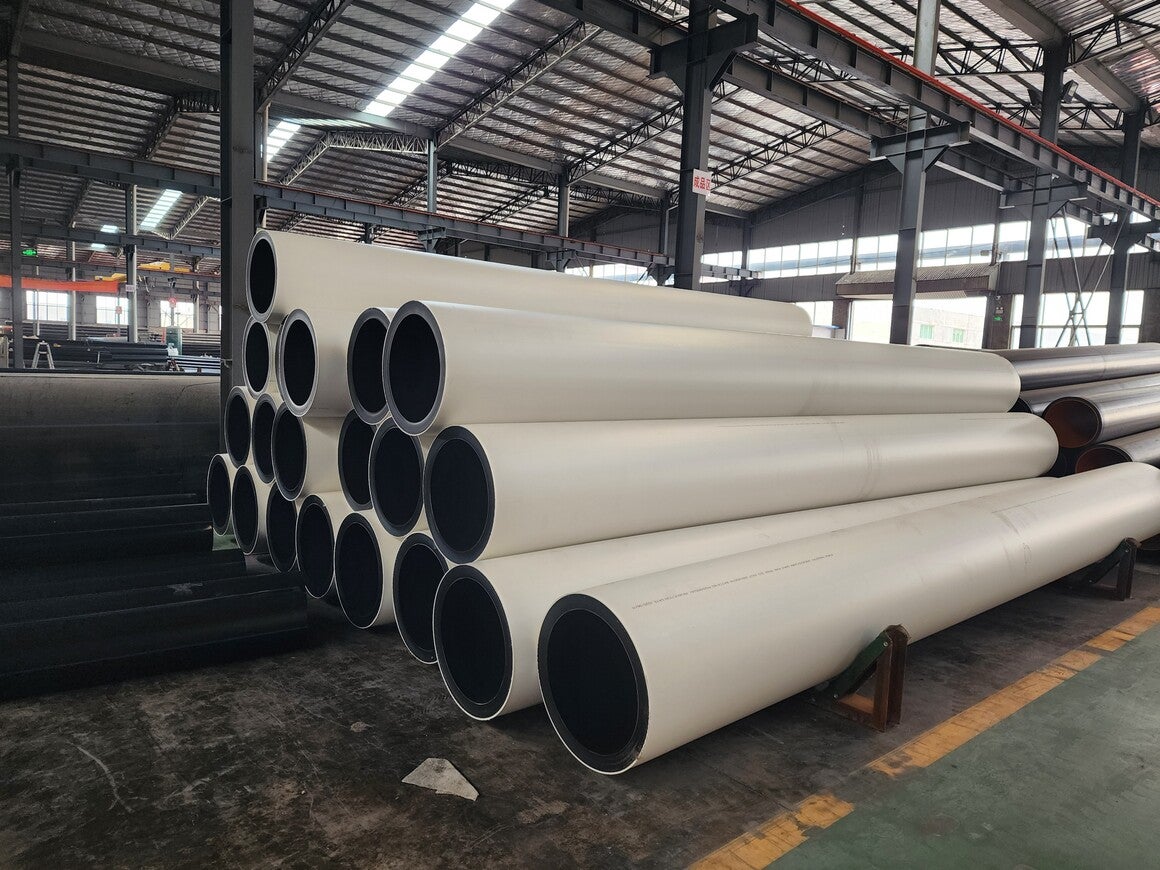
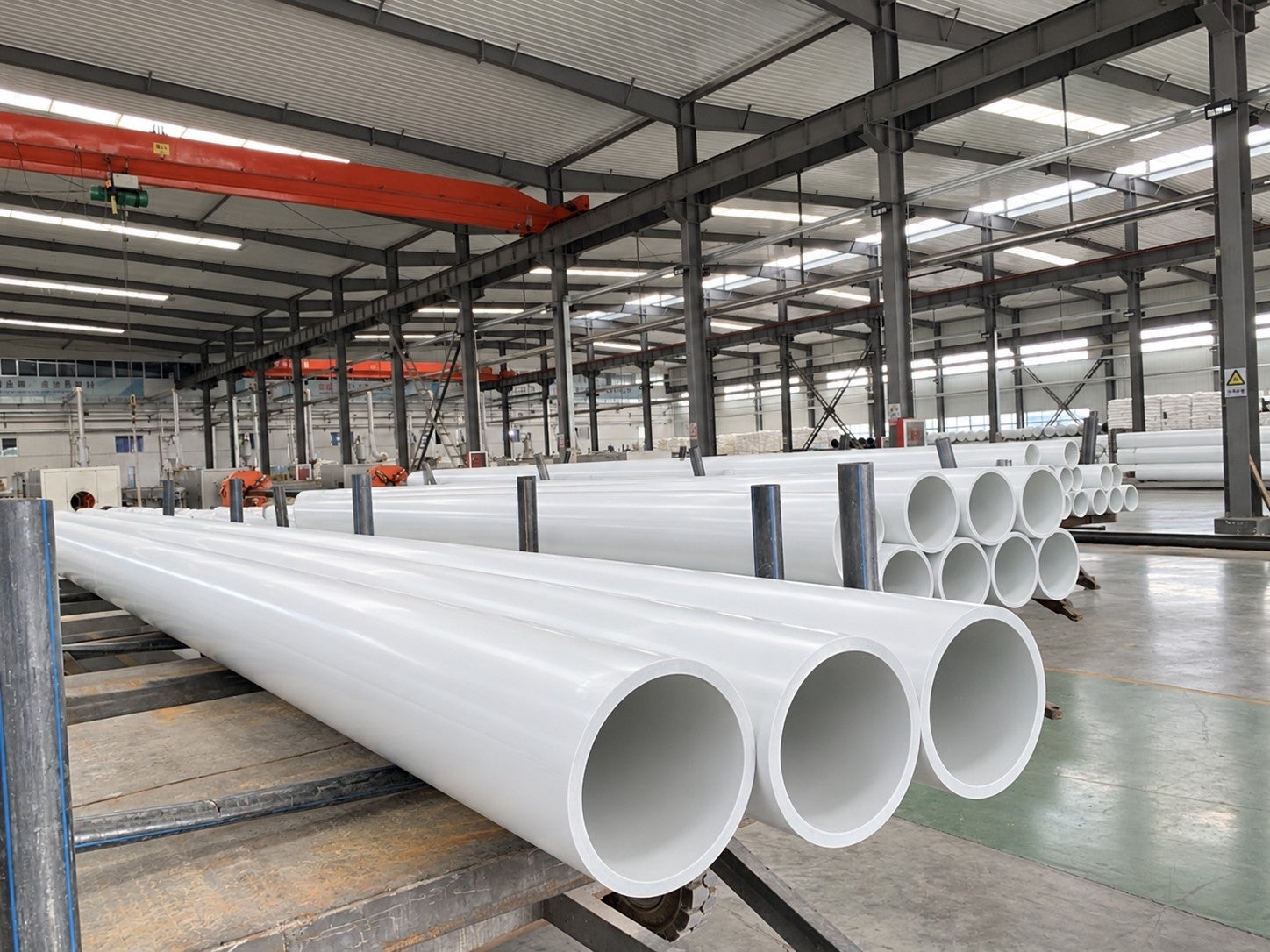
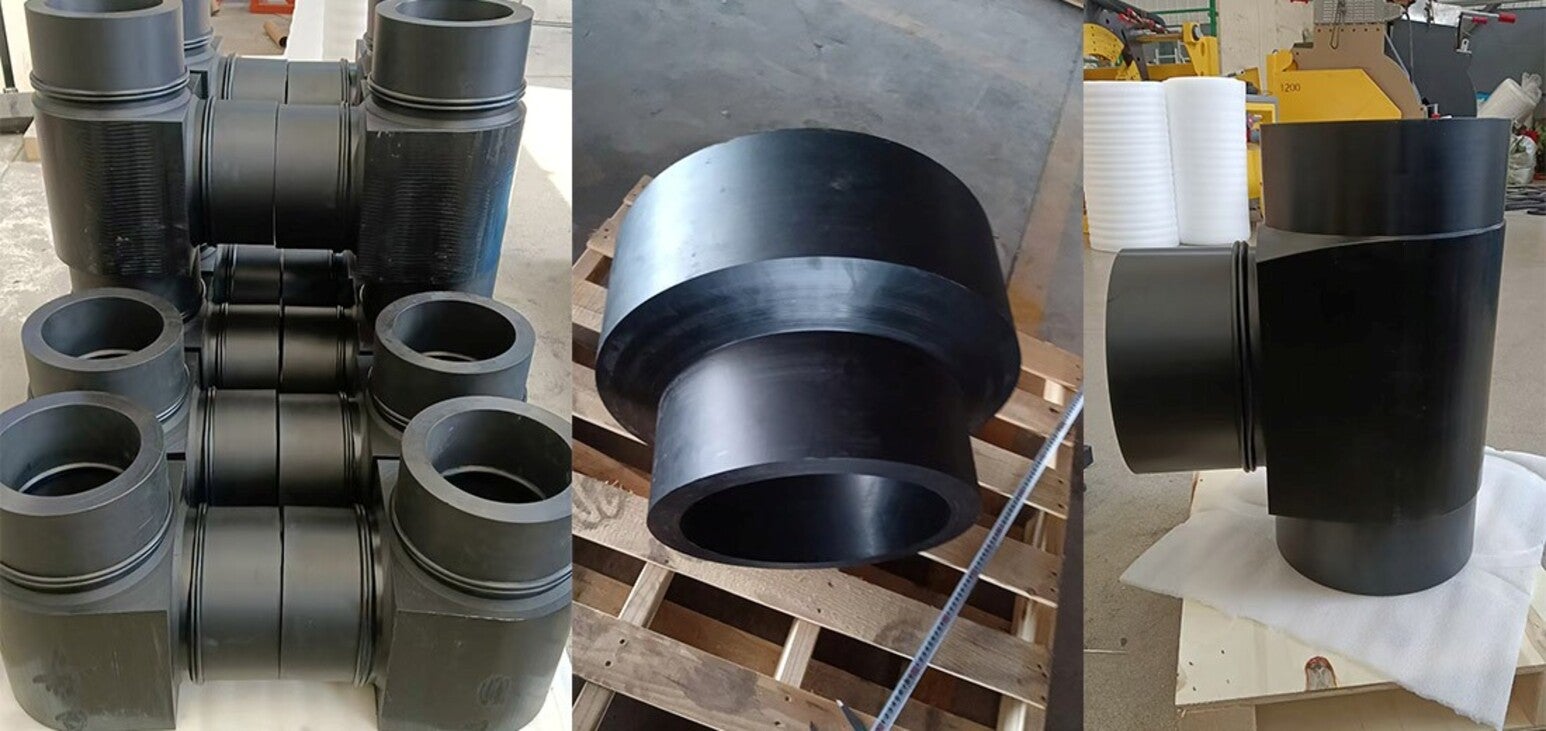
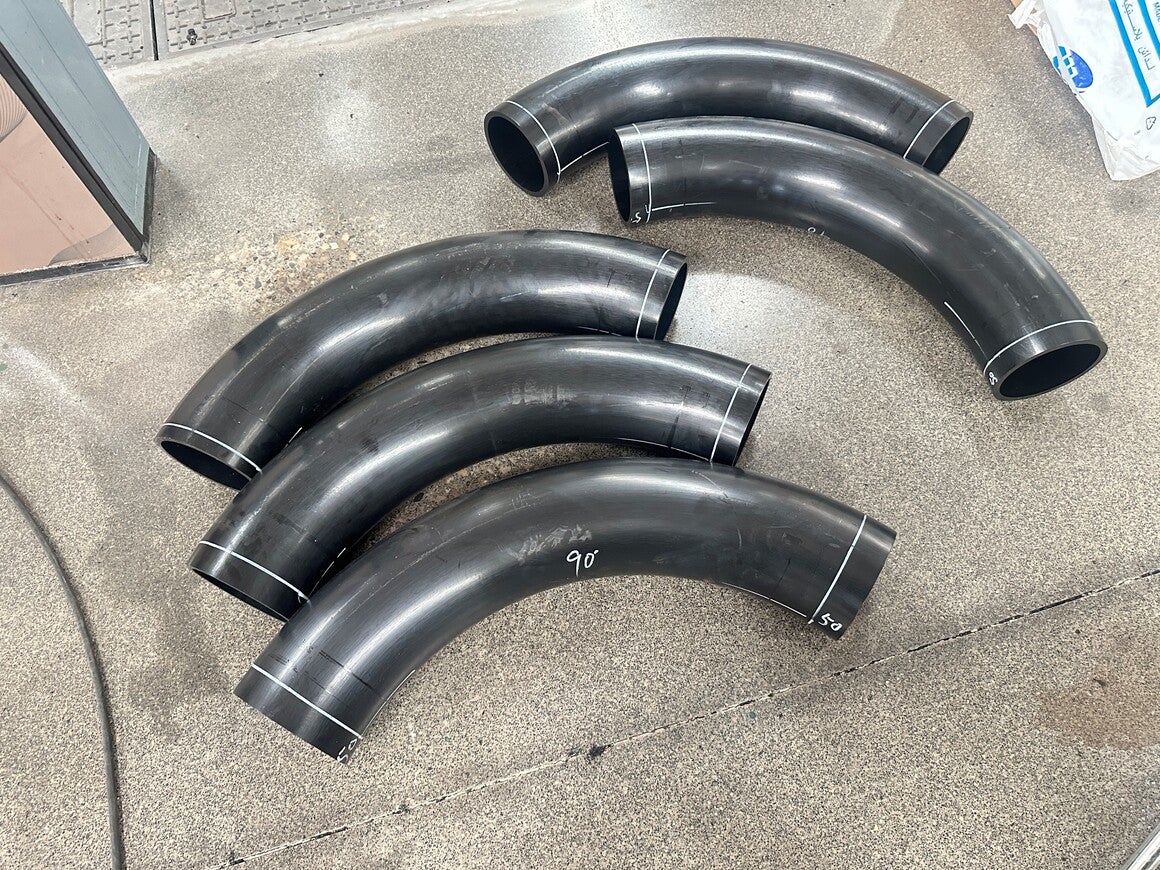
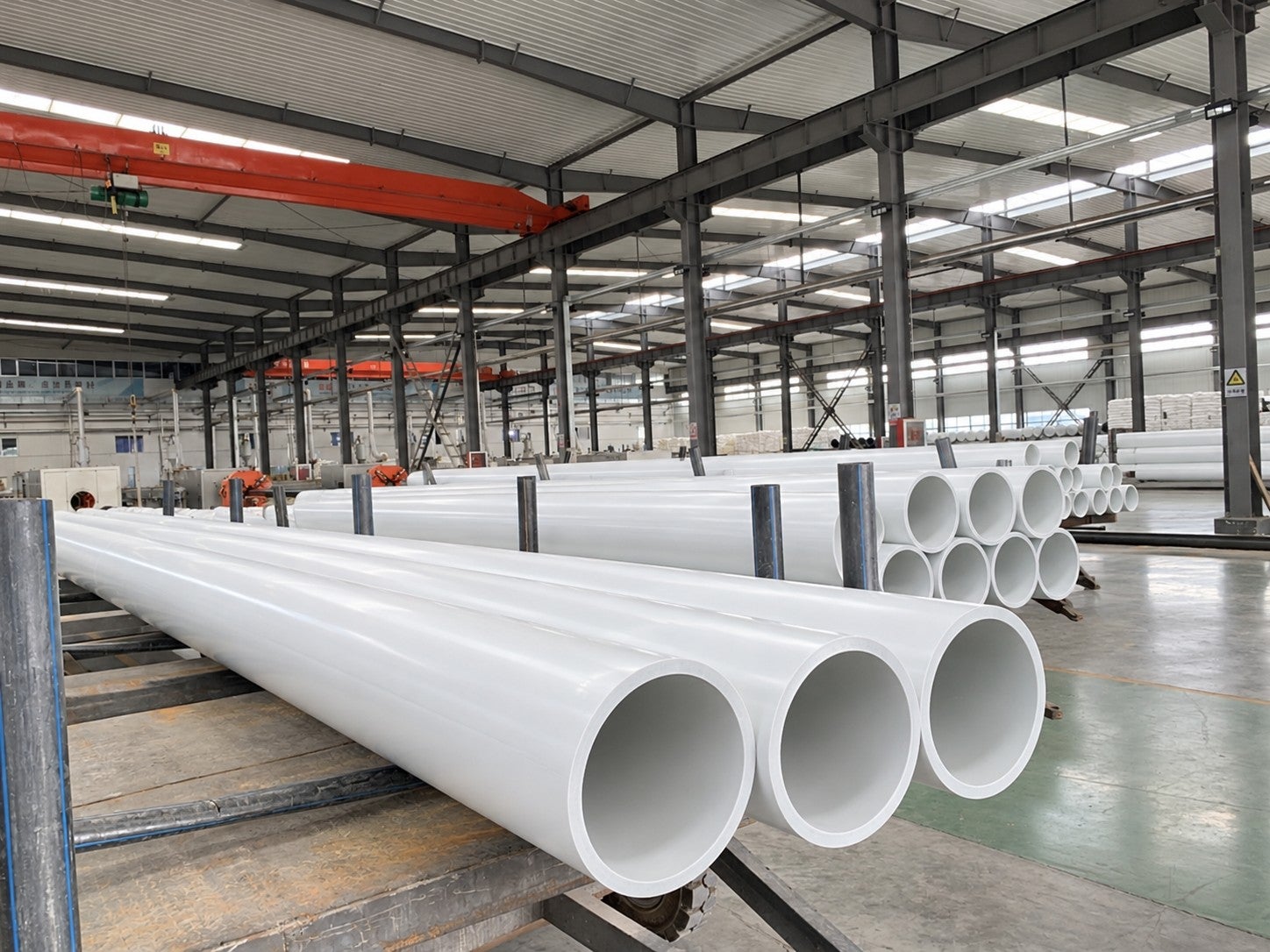
Puhui Industry manufactures HDPE pipes and fittings to dimensions and performance aligned with AS/NZS 4130 requirements, ASTM/AWWA systems and other regional requirements from a single 68,000m² facility with an annual production capacity of approximately 200,000 metric tons. The company maintains ISO 9001, ISO 14001 and ISO 45001 management systems together with product approvals including FM 1613 (the only mainland China manufacturer currently holding this approval for HDPE pipe and fittings), NSF, WRAS, AENOR, CE and supporting documentation for Australian and South American project needs.
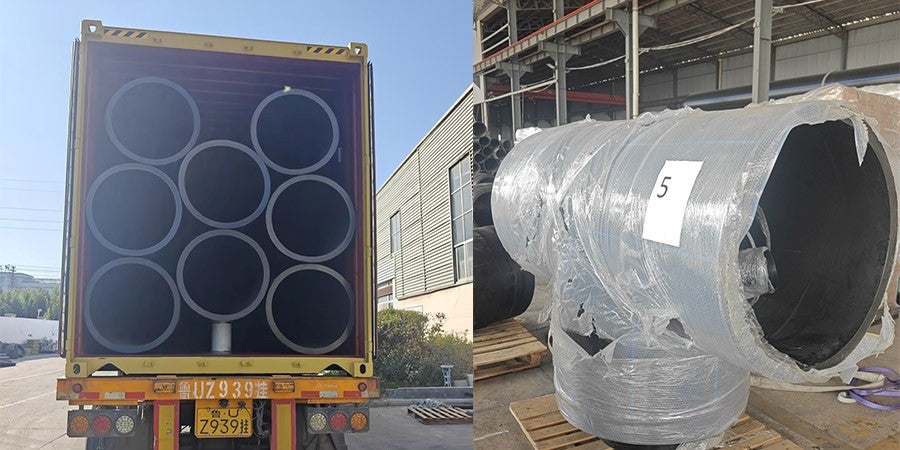
These dual-system and multi-certification capabilities have been applied on mining projects in Australia, Chile, Peru and other South American countries, as well as North America. Multiple clients have placed repeat orders after initial successful deliveries, confirming that the combination of correct standards, complete documentation and reliable logistics helps facilitate customs clearance and project acceptance
Practical steps for procurement and engineering teams
- List the exact destination-country standards and any third-party marks required in the tender or purchase specification.
- Request current certificates and sample batch reports early; do not wait until production is complete.
- Confirm that the supplier has previously shipped the same product family to the target market.
- Align pipe markings, MTCs and commercial documents before shipment.
- Treat the certification package as part of the technical deliverable, not an administrative afterthought.
Conclusion
Successful supply of HDPE pipe to Australian and South American mining projects depends on matching the correct local standard—most notably AS/NZS 4130 in Australia—together with the supporting third-party marks, batch traceability and customs documentation. Manufacturers that already operate under these systems and have demonstrated delivery experience reduce both technical and logistical risk. Puhui Industry’s multi-standard production capability, internationally recognised certifications and project experience across Australia, South America and other mining regions turn compliance from a potential bottleneck into a predictable part of the supply chain.
To review the specific certificates, batch documentation samples or a tailored compliance checklist for your destination market, visit the Puhui Industry website. You can also see real production lines, large-diameter pipe handling and recent project shipments on the company’s YouTube channel (@PuhuiIndustry-pipe) and LinkedIn page (Puhui Pipeline Industry Co., Ltd.). These channels provide direct visual confirmation of manufacturing scale and logistics capability.
Website: https://www.phtopindustry.com/
LinkedIn: https://www.linkedin.com/company/puhui-pipeline-industry-co-ltd