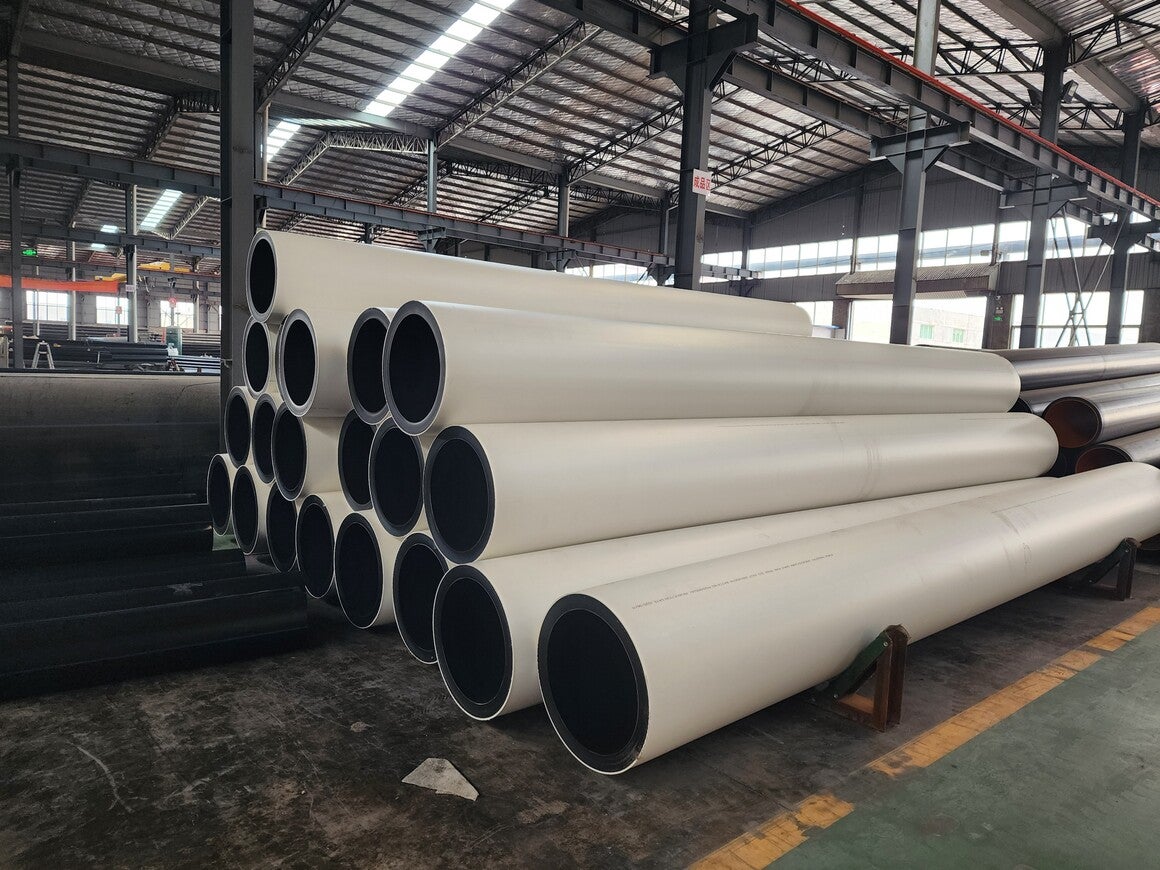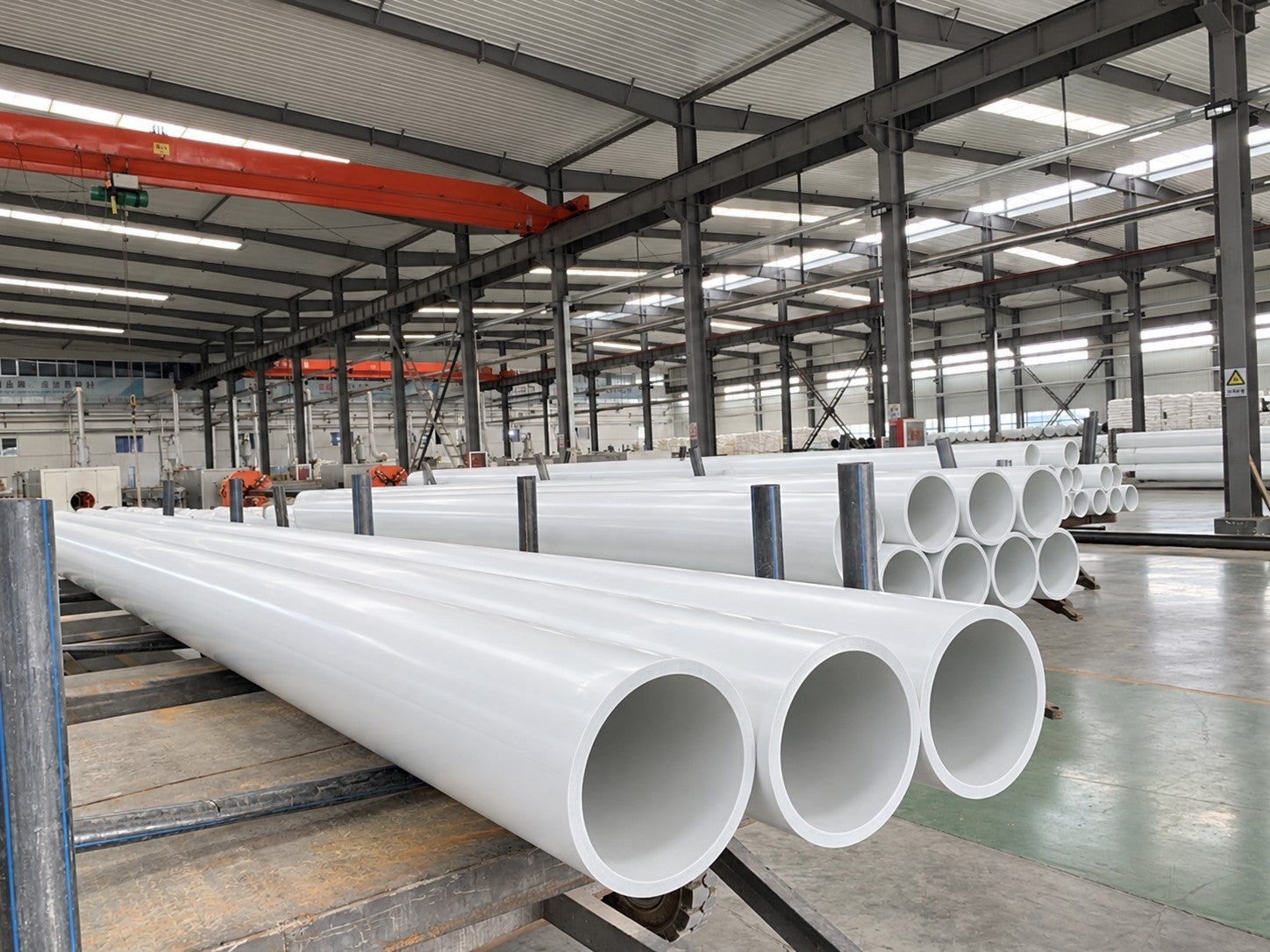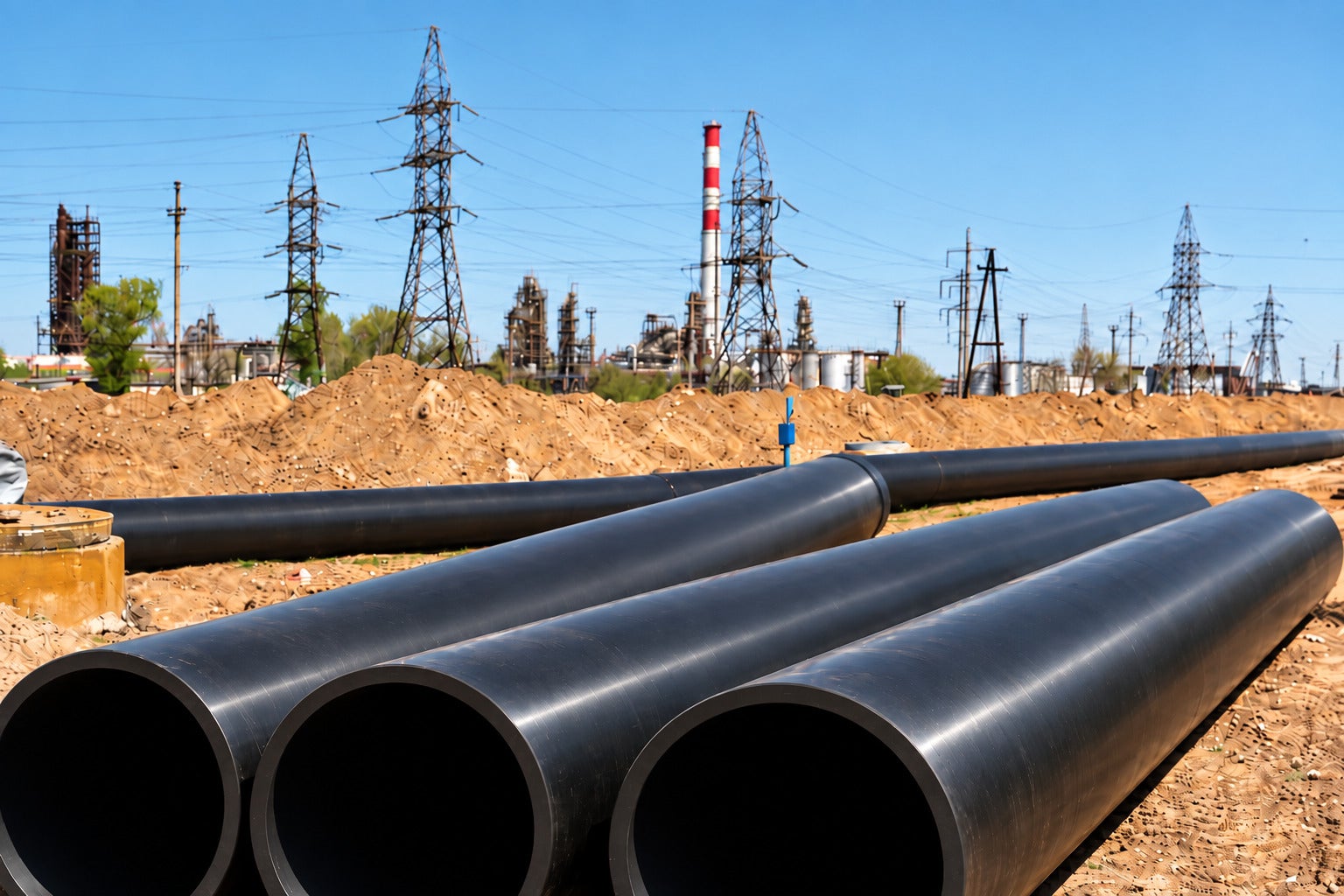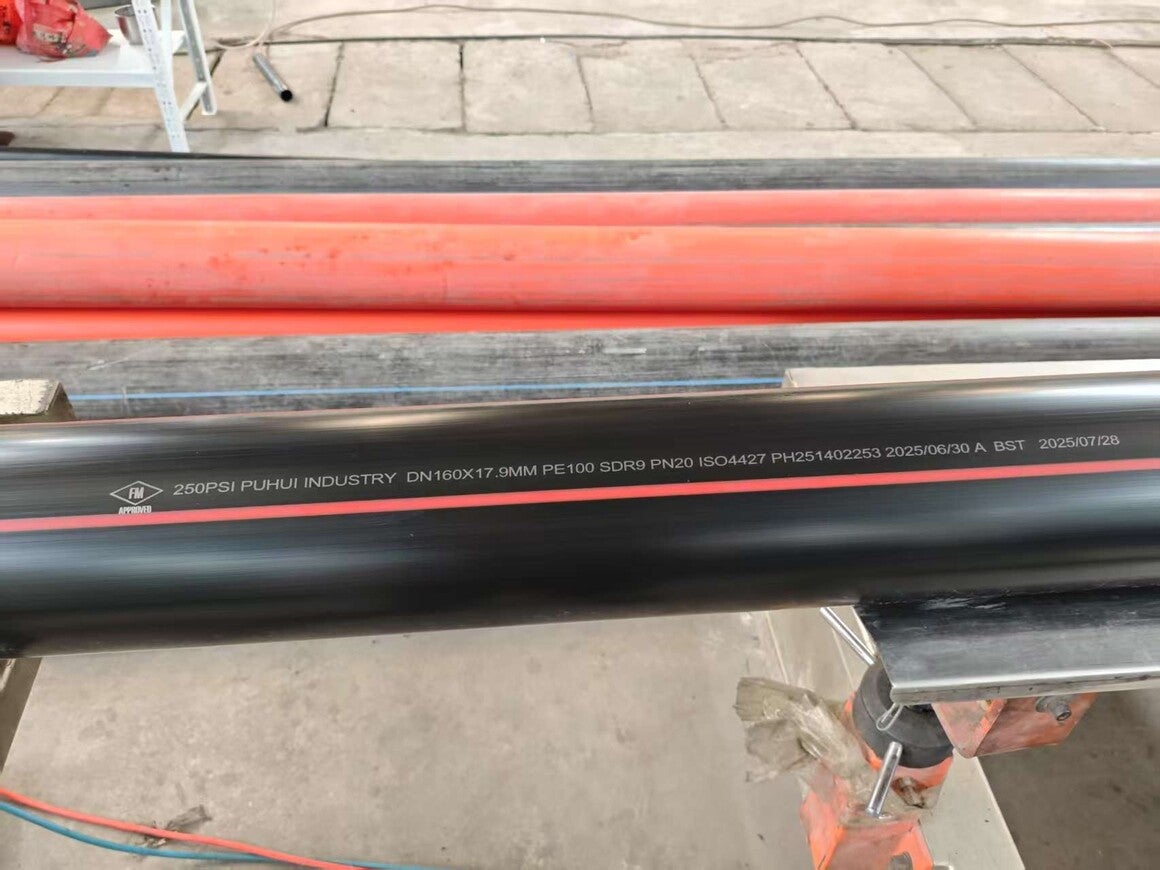

SDR6 High-Pressure HDPE Pipelines for Leak-Free Tailings Management
Tailings management sits at the sharp end of mining’s environmental and regulatory responsibilities. A single pipeline failure can trigger costly remediation, regulatory penalties, operational downtime and lasting damage to community trust. In this high-stakes environment, operators increasingly demand piping systems that combine extreme pressure capacity with verifiable zero-leak performance. Ultra-thick-wall SDR 6 HDPE pipelines, joined by proper heat-fusion methods, deliver exactly that combination — and are among the high-pressure solutions manufactured and supplied by Puhui Industry for mining projects worldwide.
Why conventional systems struggle
Traditional steel or thinner-wall polymer pipelines face well-documented challenges in tailings service. Steel corrodes under acidic or saline conditions and suffers joint leaks at welds or flanges. Rubber-lined or HDPE-lined steel can suffer liner detachment under high pressure or surge. Even standard HDPE pipes with higher SDR values (thinner walls) may lack sufficient margin for both sustained operating pressure and the progressive abrasion caused by slurry. Transient events—pump start-up, valve closure or power failure—generate pressure spikes that further stress the system. The result is frequent maintenance, unplanned outages and an elevated risk of environmental release.
Regulators and communities now expect more than “best efforts.” Zero-leak performance, long-term integrity and clear design justification have become baseline requirements for modern tailings storage facilities.
The engineering case for SDR 6 HDPE
SDR (Standard Dimension Ratio) is the ratio of a pipe’s outside diameter to its minimum wall thickness. A lower number means a thicker wall and higher pressure rating. For PE100 material at 20 °C, SDR 6 corresponds to a nominal pressure of approximately PN32—substantially higher than the more common SDR 11 (PN16) or SDR 9 (PN20) grades used in many mining applications.
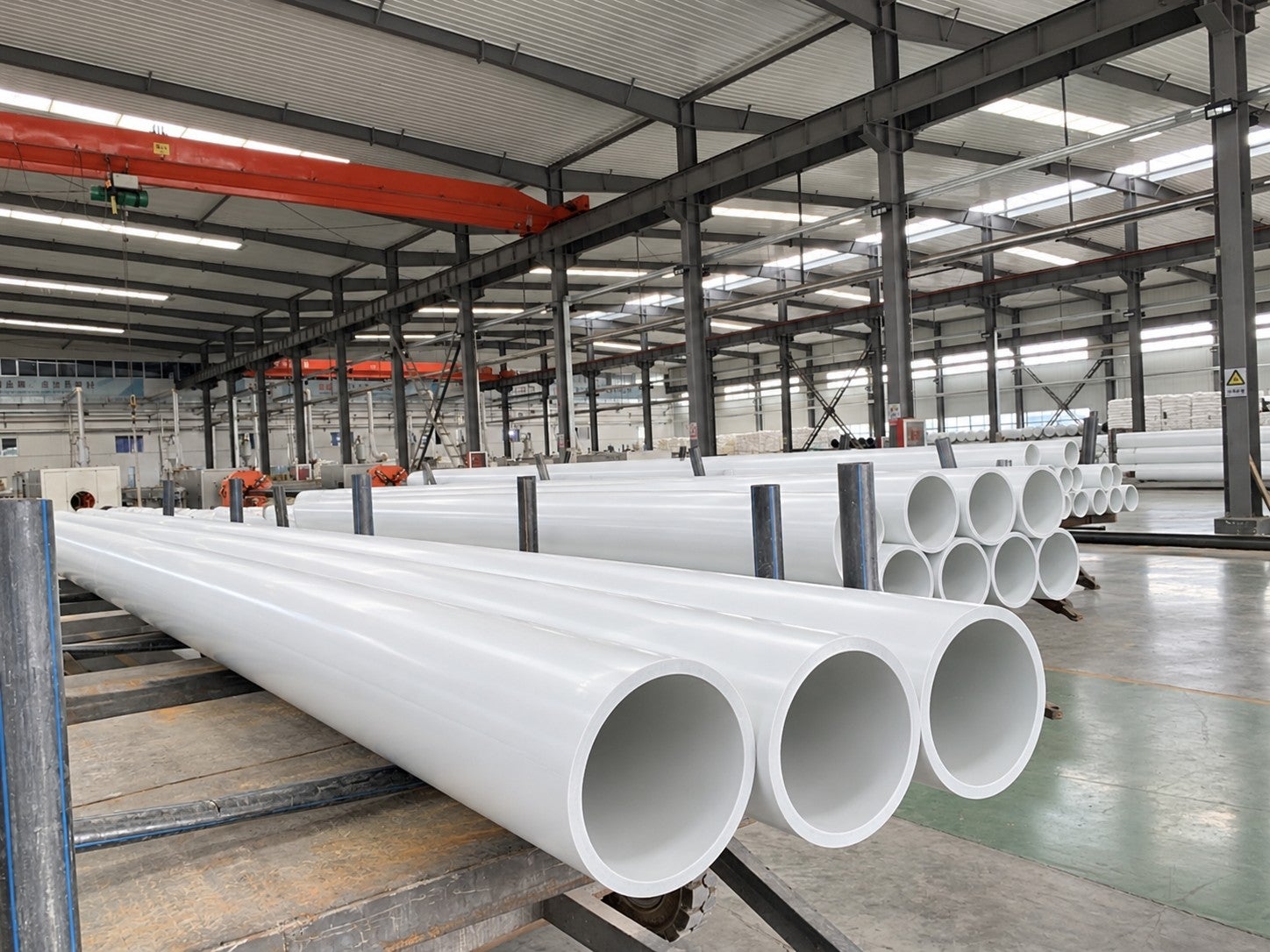
This extreme wall thickness serves two critical purposes. First, it provides the structural capacity needed for high static heads, long pumping distances and pressure surges typical of tailings circuits. Second, it incorporates a deliberate sacrificial wear allowance. As abrasive slurry slowly erodes the bore, the remaining wall continues to meet the design pressure requirement for the full intended service life. This approach mirrors the corrosion allowance used with steel, but without the corrosion itself. HDPE is chemically inert to the wide range of acidic, alkaline and saline conditions found in mining slurries and process water.
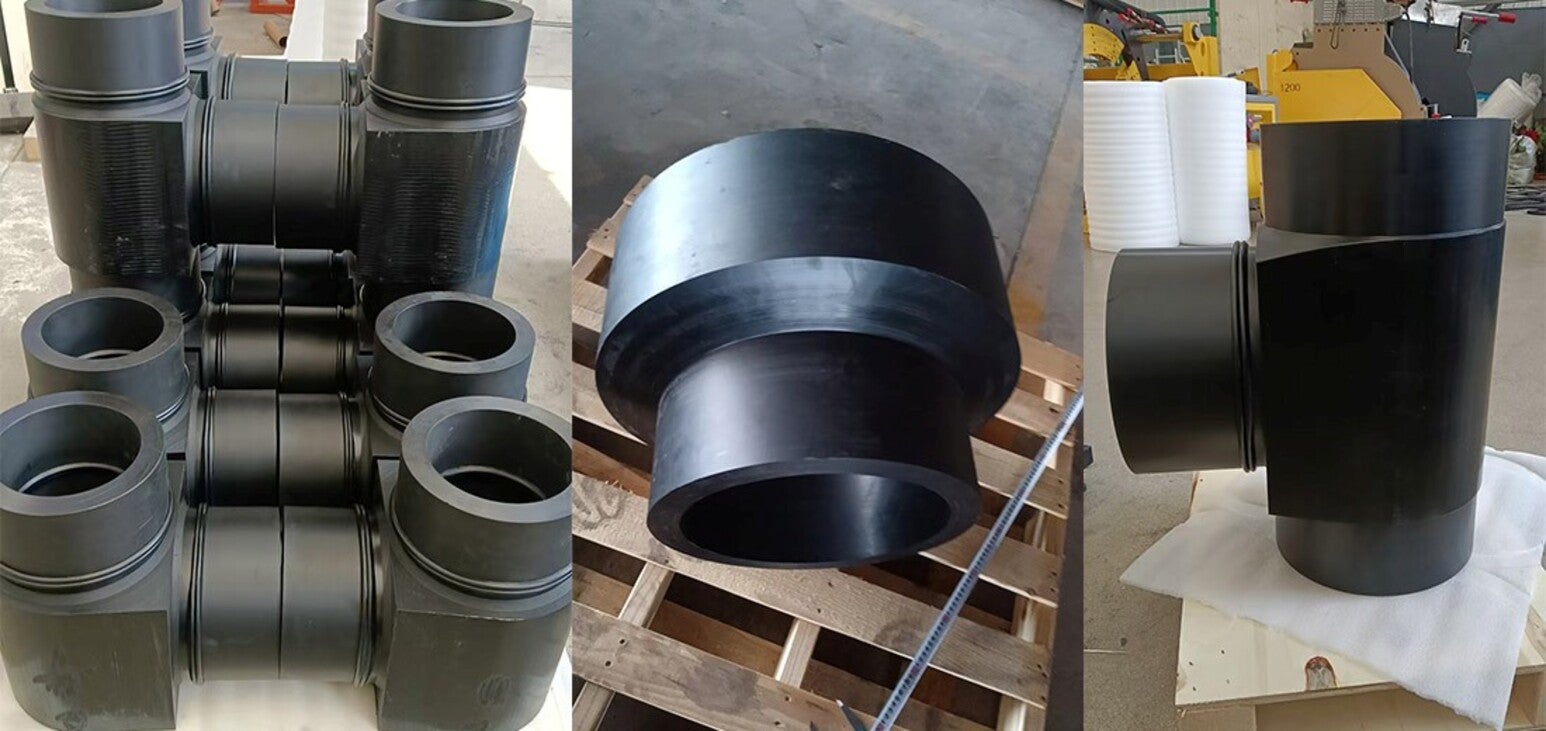
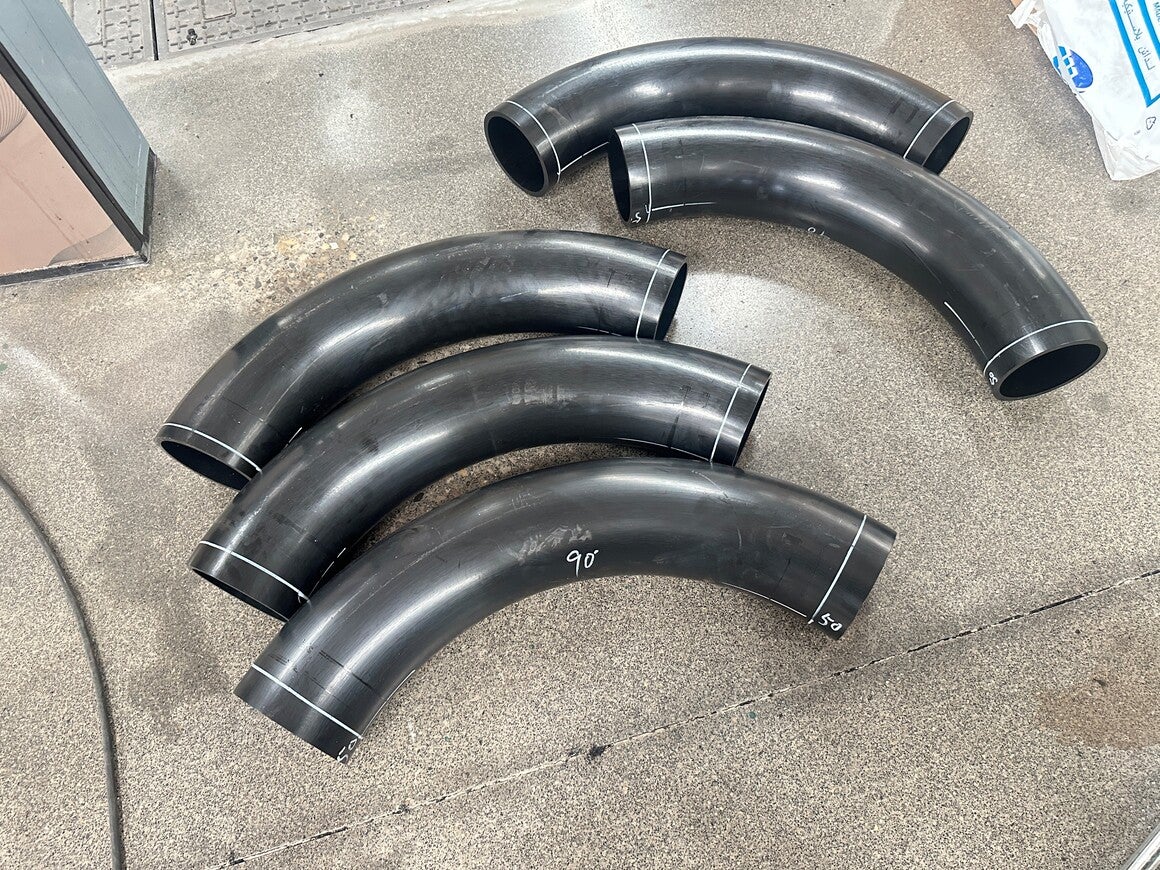
Puhui Industry manufactures PE100 and PE100-RC HDPE pipes across a full range of SDR ratings, including thick-wall high-pressure grades such as SDR 6, to ISO 4427, ASTM F714 and related standards. Additional material advantages include flexibility that accommodates ground settlement, a smooth internal surface that reduces friction losses, and immunity to electrochemical corrosion.
Zero-leak joint technology
The pressure rating of the pipe itself is only half the story. Mechanical joints, flanges and couplings remain potential leak paths. Heat fusion—primarily butt fusion for larger diameters and electrofusion for fittings—creates a continuous, homogeneous pipeline. When executed correctly, the joint becomes as strong as or stronger than the pipe wall and contains no discrete sealing elements that can degrade or loosen over time.
Quality control is essential. Proper facing of pipe ends, controlled heating and pressure cycles, adequate cooling time, and post-weld inspection (visual, dimensional and pressure testing) ensure joint integrity. Puhui Industry supplies both the pipe and matching fusion fittings, together with technical guidance on welding procedures, so that the theoretical advantage of fusion becomes field-verified zero-leak performance. Properly fused HDPE systems have demonstrated multi-year operation without joint leakage across a range of mining slurry applications.
Insights from operating mines
High-pressure and thick-wall HDPE systems are already proven in demanding tailings service. Projects have successfully deployed PE100 and PE100-RC pipes with varying SDR ratings matched to local pressure profiles. One copper-mine tailings line approximately 12.6km long used 630mm diameter pipe with section-specific SDR selection based on static head, friction losses and transient pressures; the system achieved stable flow and reliable performance after commissioning. An iron-ore tailings project in Peru employed multi-layer HDPE construction and recorded more than 18 months of continuous operation with zero leakage and minimal measured wear after transporting millions of tonnes of slurry. High-pressure supply records, including SDR 7.4 pipelines for mining service and PN20 (SDR 9) installations for corrosive chrome tailings, further illustrate the industry’s growing confidence in thick-wall polyethene for elevated-pressure and abrasive duty.
These examples share common themes: corrosion immunity eliminated the need for ongoing internal protection, fusion joints removed a major leakage risk, and the combination of pressure capacity plus wear allowance delivered longer intervals between interventions. Puhui Industry has supplied HDPE mining pipelines to projects across multiple continents, supporting operators with material selection, pressure-class matching and complete system packages.
Benefits across operations, environment and cost
From an operational perspective, SDR 6 HDPE reduces unplanned downtime and simplifies maintenance. Flexibility accommodates differential settlement common around tailings facilities. The smooth bore helps maintain hydraulic efficiency over time. Environmentally, the absence of joint leak paths and the material’s chemical inertness directly support containment goals and regulatory compliance. On the economic side, higher initial pipe cost is typically offset by faster installation, lower civil works requirements, reduced maintenance and longer service life. Lifecycle analyses frequently show polyethene systems delivering lower total cost of ownership than steel alternatives once corrosion protection, joint repairs and replacement cycles are accounted for.
Design and deployment considerations
Successful application requires disciplined engineering. Designers must evaluate steady-state pressure, friction losses, transient events, temperature derating, slurry abrasivity and required design life when selecting diameter and SDR. Installation best practices—proper fusion procedures, correct support spacing, protection against UV and mechanical damage during handling—preserve the pipe’s rated performance. Once in service, routine monitoring of pressure, flow and visual condition, combined with periodic integrity checks, confirms ongoing zero-leak performance.
SDR 6 is particularly suited to the highest-pressure sections, high-head pump discharges or applications where significant wear allowance is required. In lower-pressure or less abrasive segments, higher SDR grades may offer a more economical balance. Multi-layer or specialised abrasion-resistant constructions can be considered where particle size and hardness demand additional measures. Puhui Industry’s engineering team works with project specifications to recommend the appropriate combination of diameter, SDR, material grade and jointing method.
Conclusion
Tailings pipelines operate under some of the most demanding conditions in mining. Ultra-thick-wall SDR 6 HDPE pipe, combined with properly executed heat-fusion joints, provides the extreme pressure resistance and continuous leak-free integrity that modern facilities require. By addressing both structural capacity and joint reliability, the technology helps operators meet regulatory expectations, protect the environment and maintain reliable production.
To explore detailed technical specifications, wall-thickness tables, fusion procedures and how SDR 6 HDPE pipelines can be applied to your specific tailings system, visit Puhui Industry at www.phtopindustry.com or contact our mining pipeline engineering team today.
Website: https://www.phtopindustry.com/
LinkedIn: https://www.linkedin.com/company/puhui-pipeline-industry-co-ltd