
A Mining Engineer’s Guide to ISO 4427 vs AWWA C906 for HDPE Pipelines
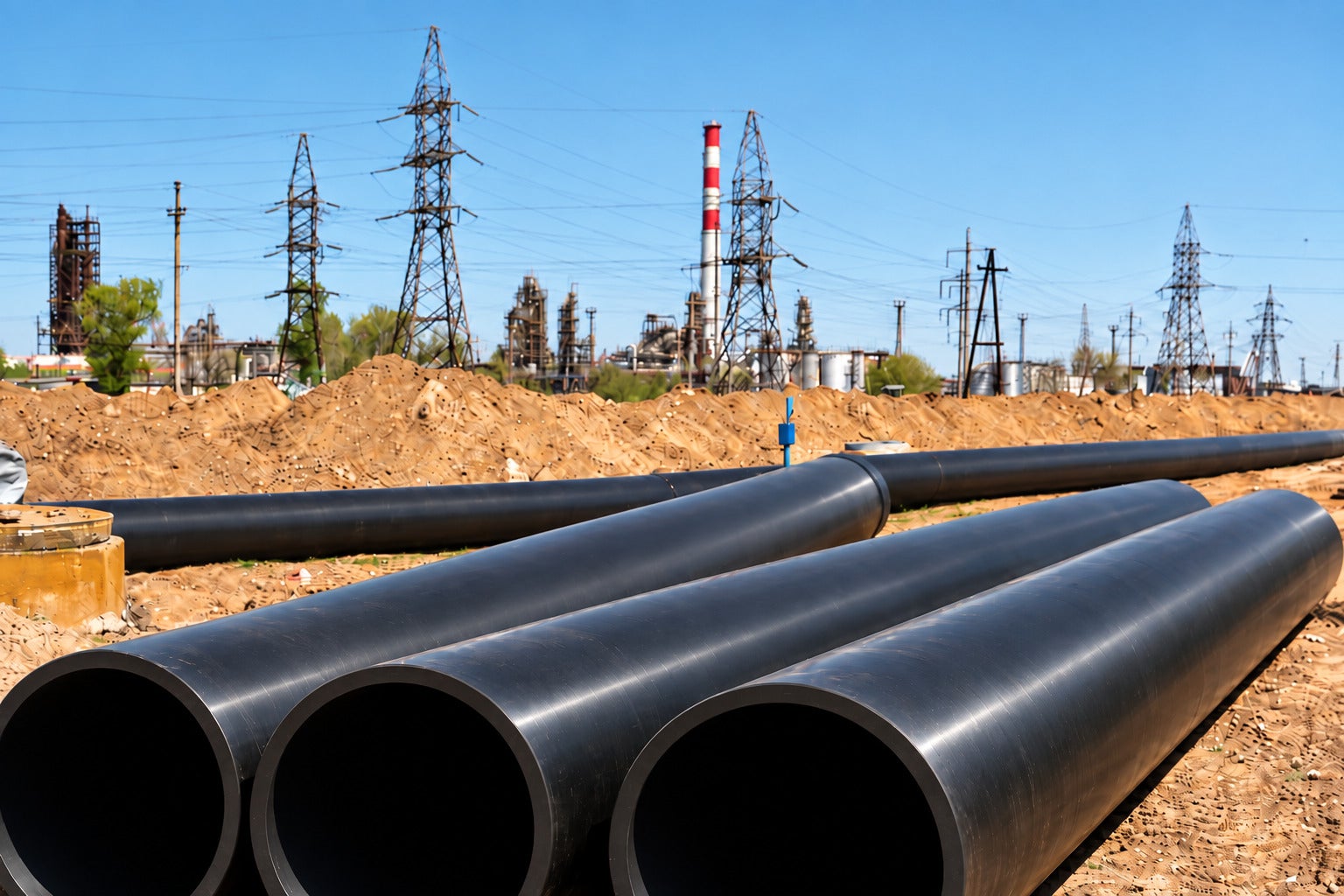
Global mining projects frequently operate under conflicting technical specifications. One project may require pipes manufactured to ISO 4427, while another—or even the same project under a different owner or EPC contractor —demands compliance with AWWA C906. These are not interchangeable labels. They represent two complete engineering systems with different material classifications, dimensioning rules, design factors, and long-term performance verification methods.
Selecting the wrong system, or assuming the two are equivalent, can lead to incorrect wall thickness, mismatched joints, pressure rating shortfalls, or rejection during inspection. This guide explains the practical differences that matter to mining engineers and provides a clear decision framework for choosing and specifying the correct HDPE pipeline system.
Understanding the two standards
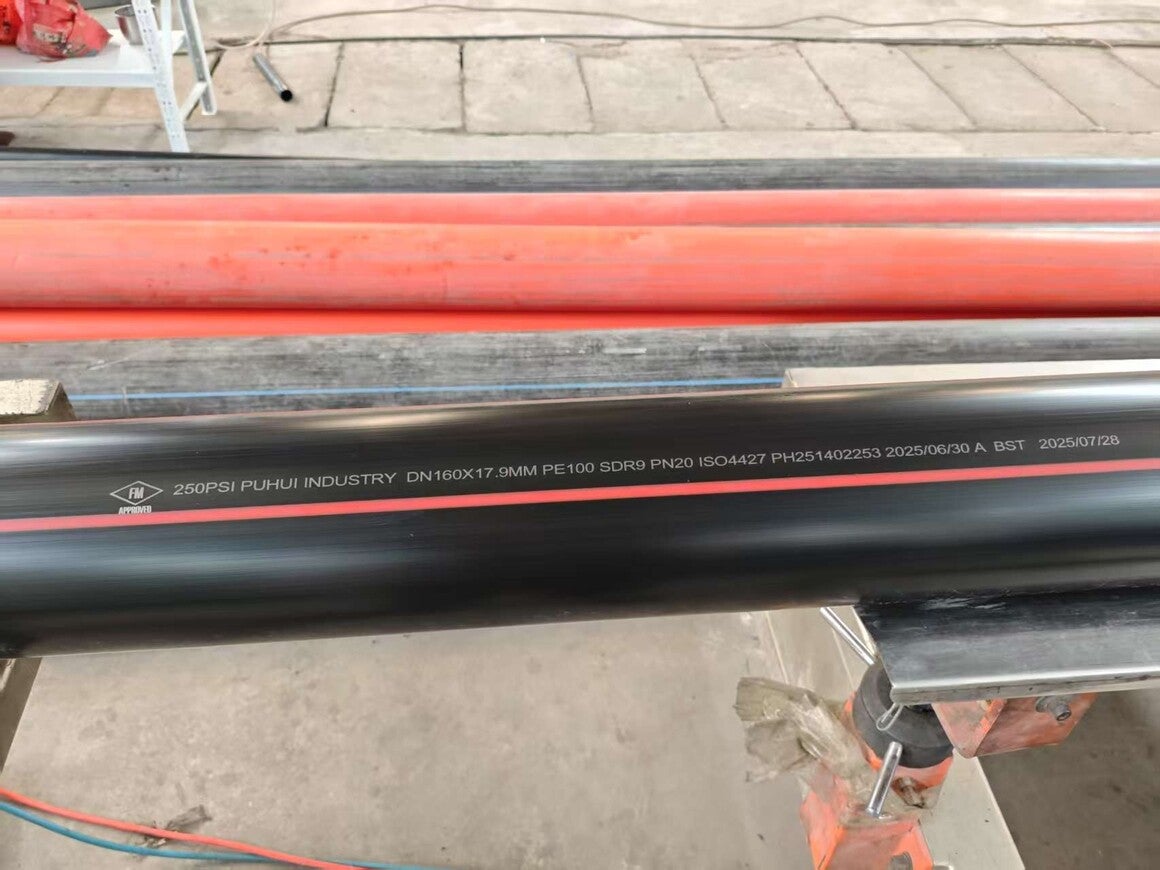
ISO 4427 is the primary international metric standard for polyethylene pressure pipes used in water supply, raw water, and pressure drainage applications. It is based on the Minimum Required Strength (MRS) classification, most commonly PE100 (MRS 10 MPa). Pipes are specified by nominal outside diameter in millimetres and Standard Dimension Ratio (SDR). The reference temperature is 20°C, and the maximum allowable operating pressure is typically expressed in bar (up to PN25).
AWWA C906 is the North American standard for polyethylene pressure pipe and fittings in waterworks service, covering sizes from 4in to 65in. It is written around the PE4710 material designation, which uses the Hydrostatic Design Basis (HDB) of 1,600psi. Dimensioning follows Iron Pipe Size (IPS) or Ductile Iron Pipe Size (DIPS), and pressure capacity is expressed as Pressure Class in psi. The design factor is 0.63, resulting in a different relationship between wall thickness and allowable pressure compared with ISO systems.
Both standards provide frameworks for high-performance HDPE piping systems. The differences lie in how strength is defined, how safety factors are applied, and how dimensions and pressure ratings are calculated and marked.
Key technical differences that affect mining projects
- Aspect ISO 4427 (PE100) AWWA C906 (PE4710)
- Material basis MRS 10 MPa HDB 1,600psi
- Design factor C = 1.25 DF = 0.63
- Dimension system Metric OD + SDR IPS / DIPS + DR
- Pressure expression PN (bar) Pressure Class (psi)
- Reference
- Temperature 20°C 73 °F / 23°C (with tables for higher temperatures)
- Common mining sizes DN110 – DN1800 4″ – 63″
The most frequent source of error is treating SDR and DR as identical or assuming that a PE100 pipe rated PN16 is automatically equivalent to a PE4710 pipe of the same nominal diameter and similar dimension ratio. Because the design factors differ, the actual wall thickness required for the same operating pressure is not the same. Temperature derating, surge allowances, and external load (including vacuum or deep burial) also follow different calculation methods.
Decision framework for mining engineers
1. Identify the governing specification: Determine whether the project owner, EPC contractor or local regulation mandates ISO 4427, AWWA C906, or allows either. In mixed or international projects, clarify which system takes precedence for pressure design and which for dimensional compatibility with existing infrastructure.
2. Define the operating conditions: Record maximum operating pressure (including surge), fluid temperature, burial depth or above-ground exposure, abrasion potential, and any chemical exposure. These parameters drive material grade selection (standard PE100 / PE4710 or PE100-RC) and the required dimension ratio.
3. Check dimensional and joint compatibility: Metric ISO pipes and imperial AWWA pipes do not share the same outside diameters. Transition fittings or custom adapters are required if both systems appear on the same site. Butt-fusion and electrofusion procedures must also follow the rules of the standard to which the pipe was manufactured.
4. Verify long-term performance data: Request hydrostatic design basis or MRS validation, slow crack growth resistance, rapid crack propagation resistance, and oxidation induction time results that correspond to the chosen standard. Do not accept generic PE100 or PE4710 claims without the supporting test documentation.
5. Confirm supplier capability for both systems: Many manufacturers specialise in only one dimensional and material system. Projects that span regions or involve both metric and imperial specifications benefit from a single source that can produce and certify both.
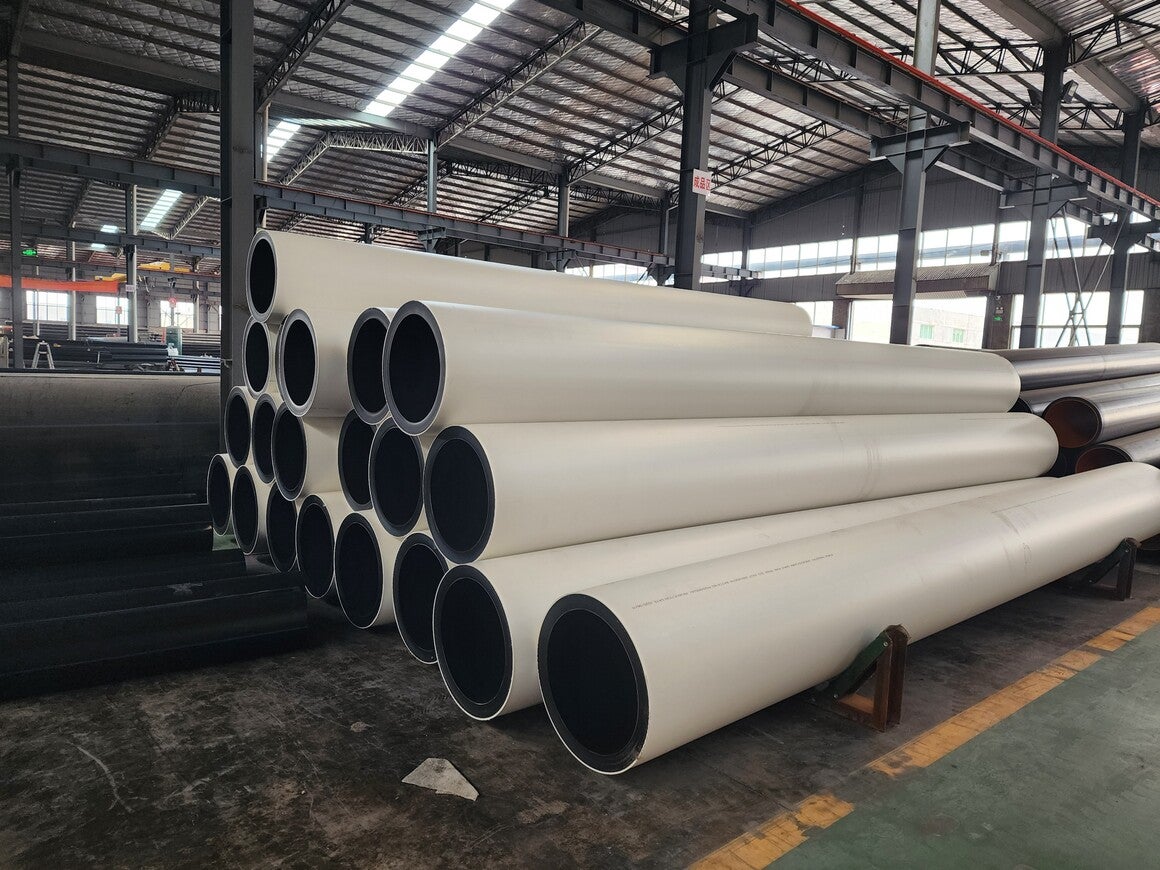
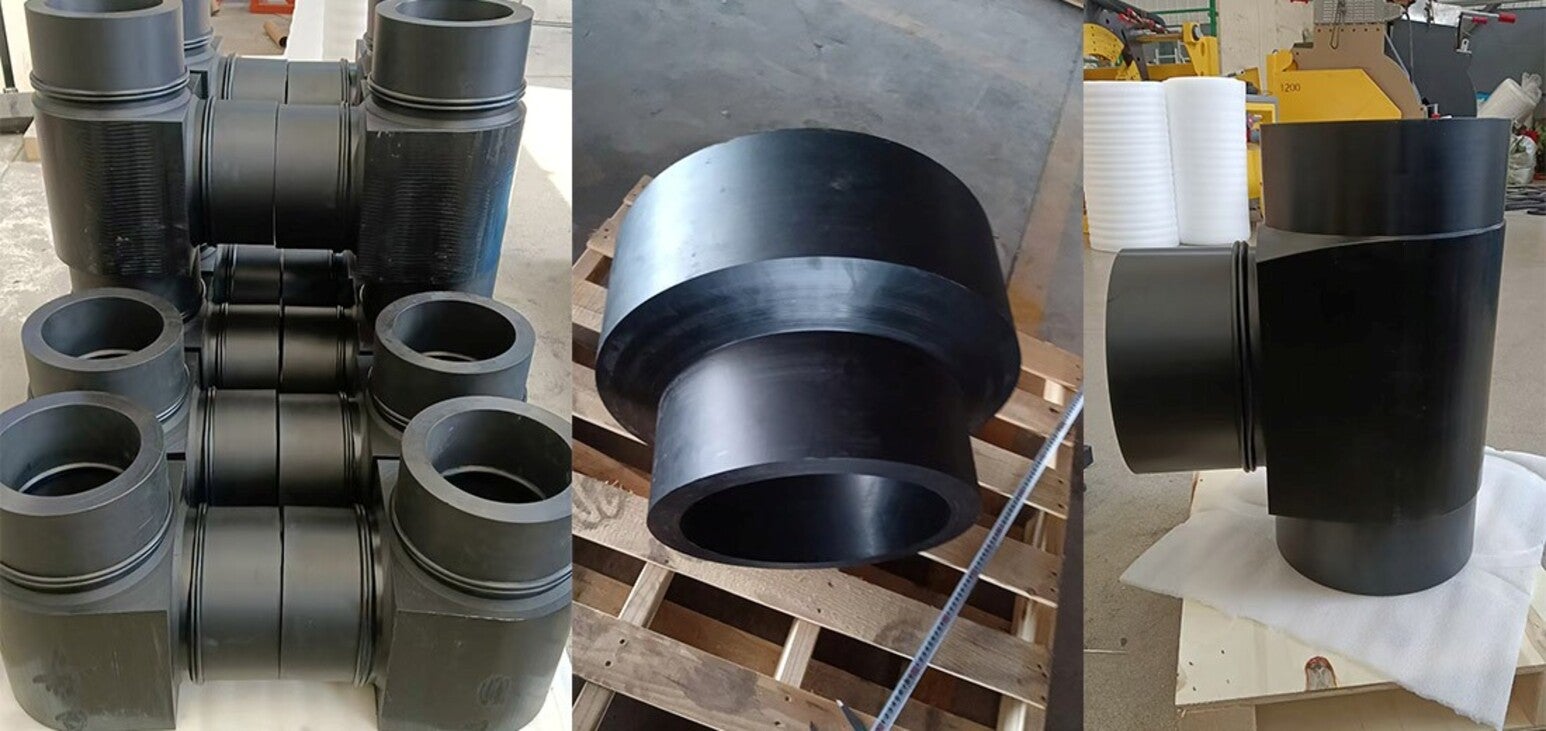
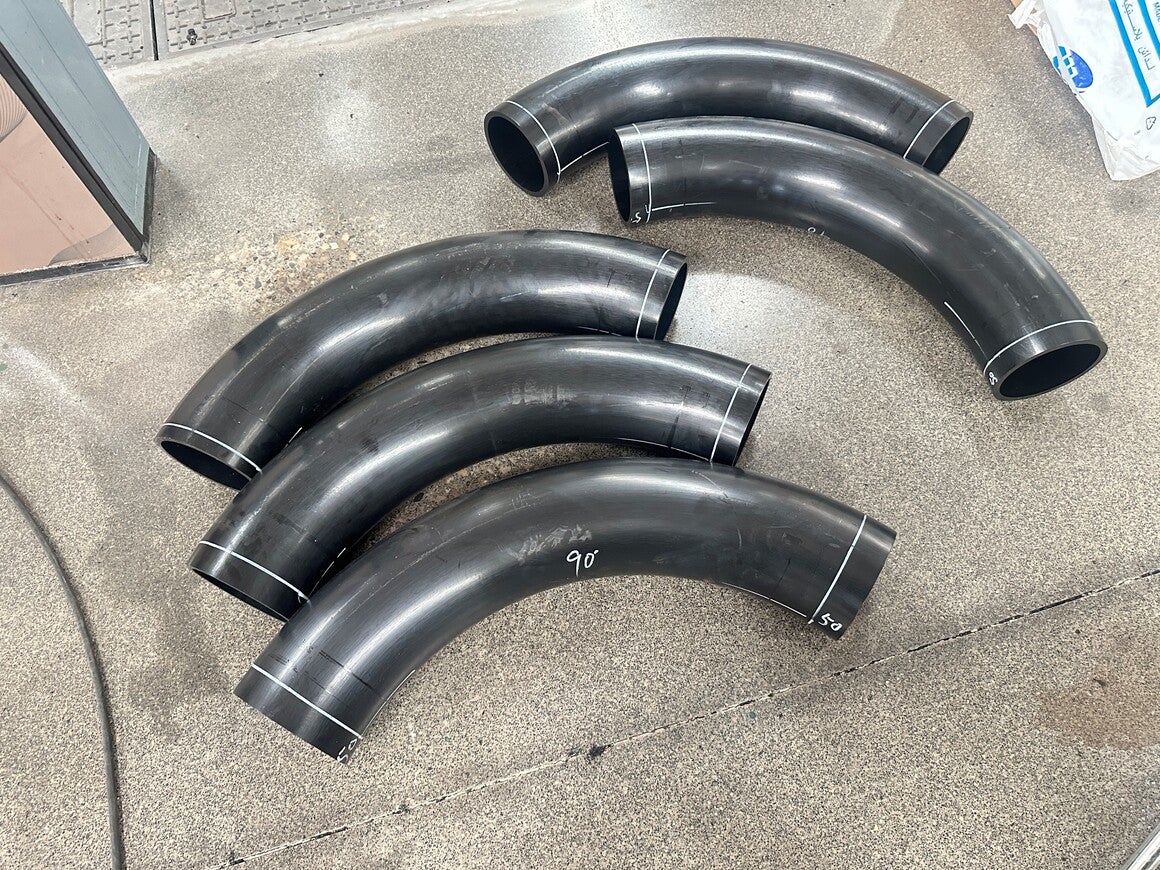
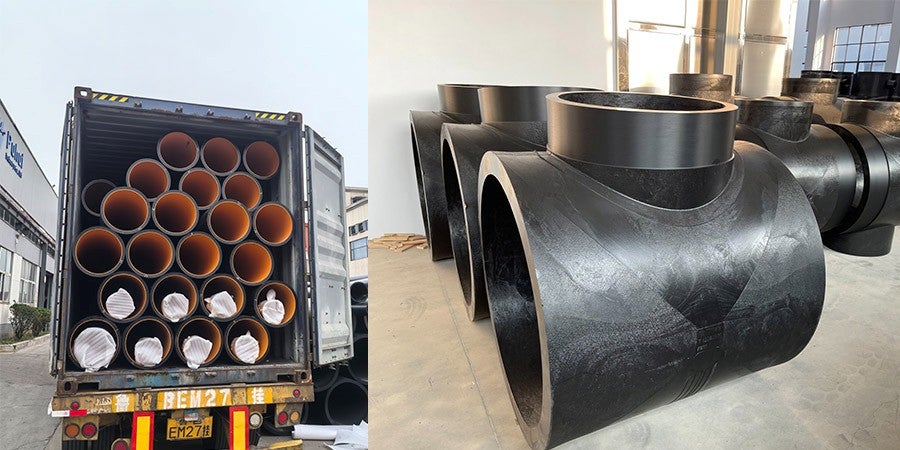
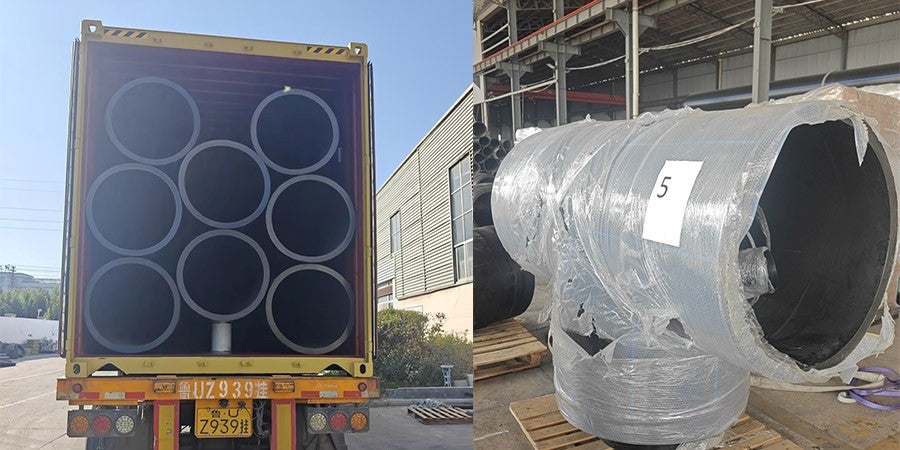
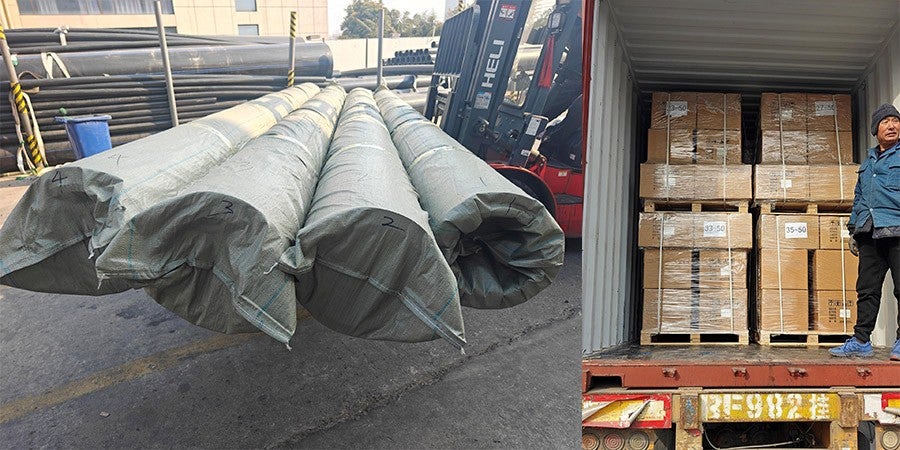
Puhui Industry regularly supplies both ISO 4427 PE100 / PE100-RC and AWWA C906 PE4710 pipes and fittings to mining operations. The company has delivered complete pipeline packages to projects in North America, South America, and Australia, with several customers placing repeat orders for subsequent project phases and expansions. This dual-system capability removes the need to coordinate two separate supply chains and reduces the risk of dimensional or documentation mismatches.
Practical recommendations for specification and procurement
- Write the technical specification to name the exact standard edition and material designation (for example, “ISO 4427 PE100 SDR11” or “AWWA C906 PE4710 DR11”).
- Require mill certificates and third-party test reports that reference the same standard.
- For projects with both metric and imperial sections, specify transition details early and confirm fusion compatibility.
- Include temperature derating and surge factors explicitly rather than relying on nominal pressure ratings alone.
- When evaluating suppliers, ask for evidence of recent production and delivery of both ISO and AWWA product lines under the same quality system.
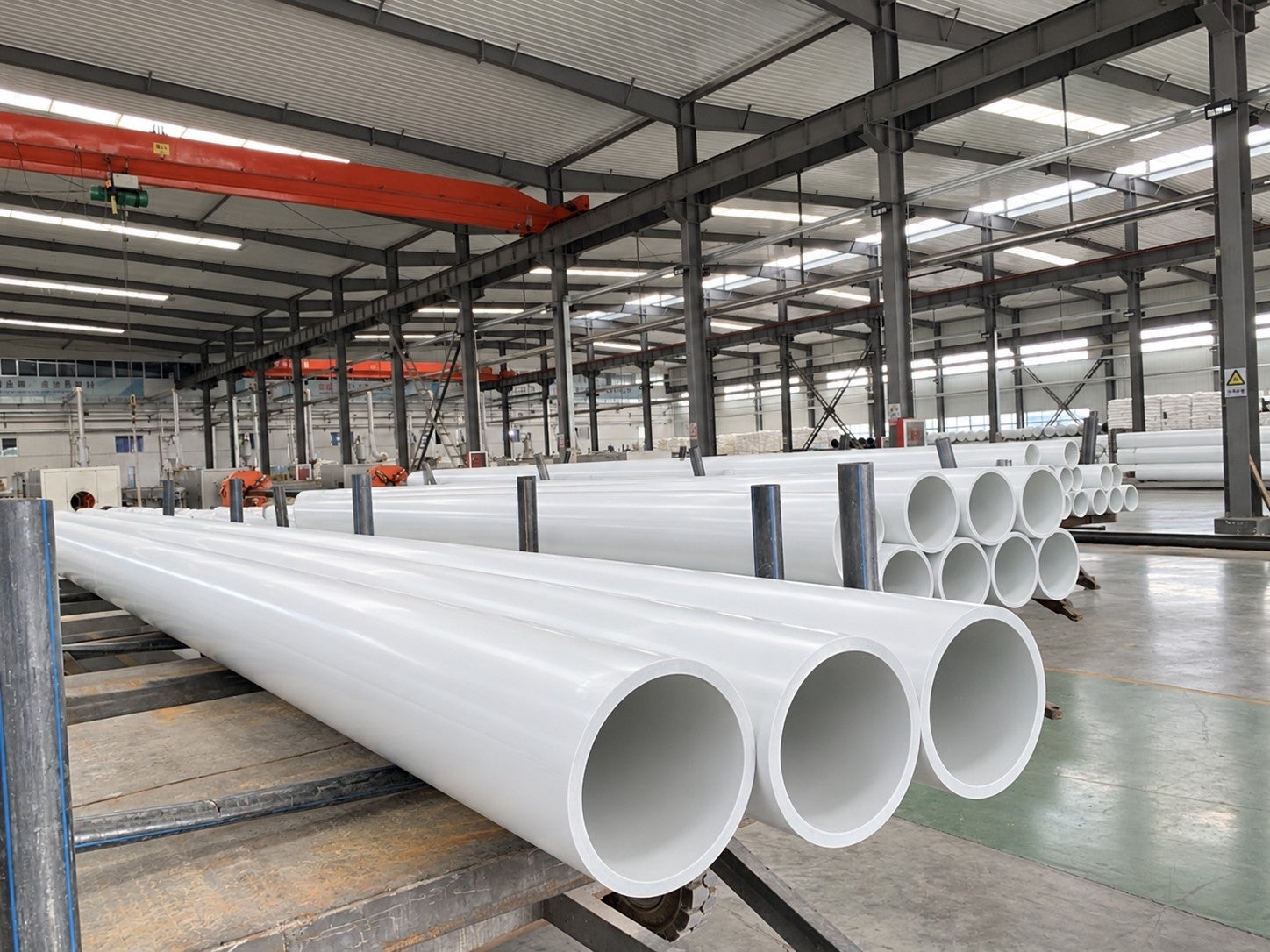
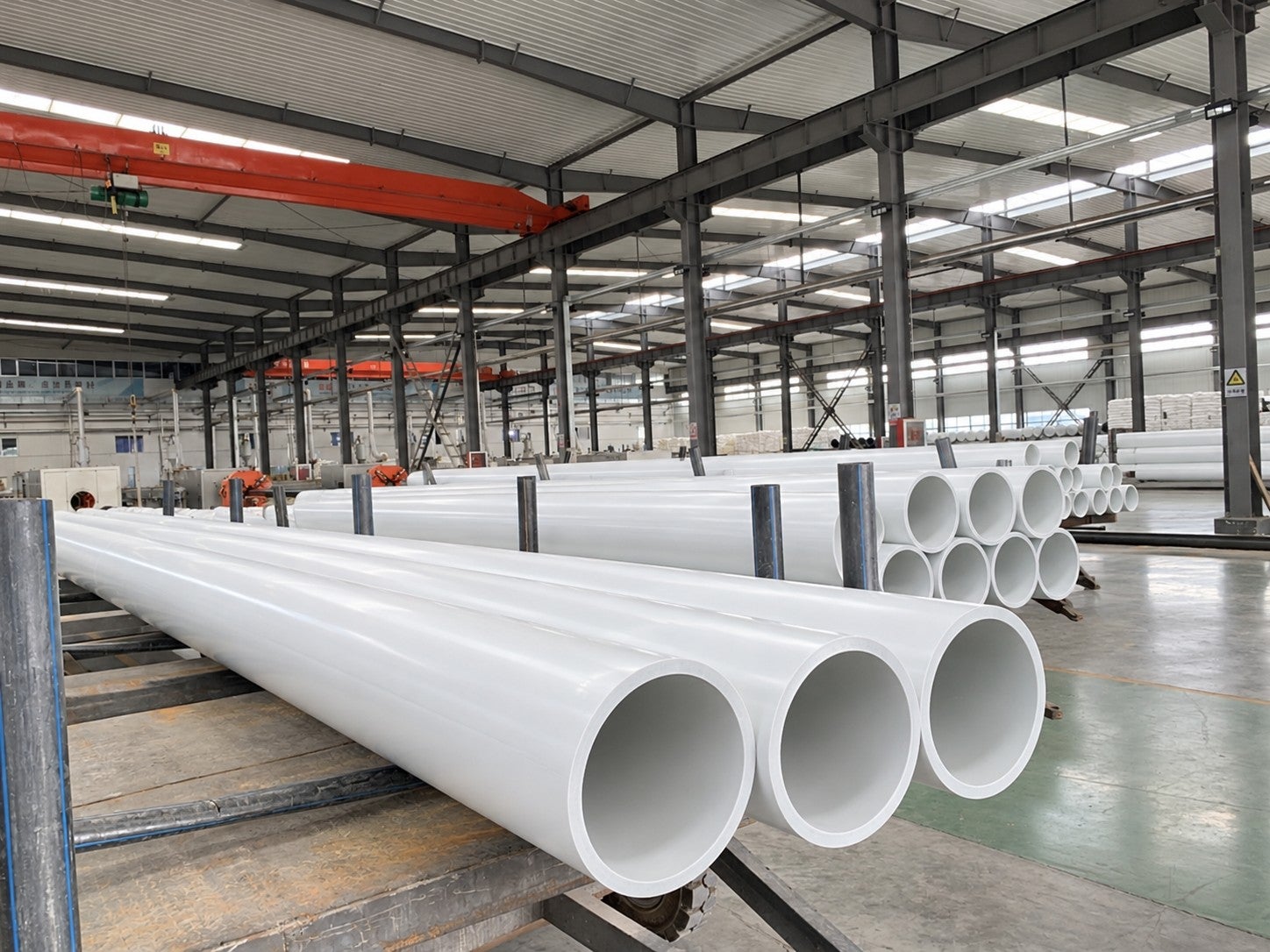
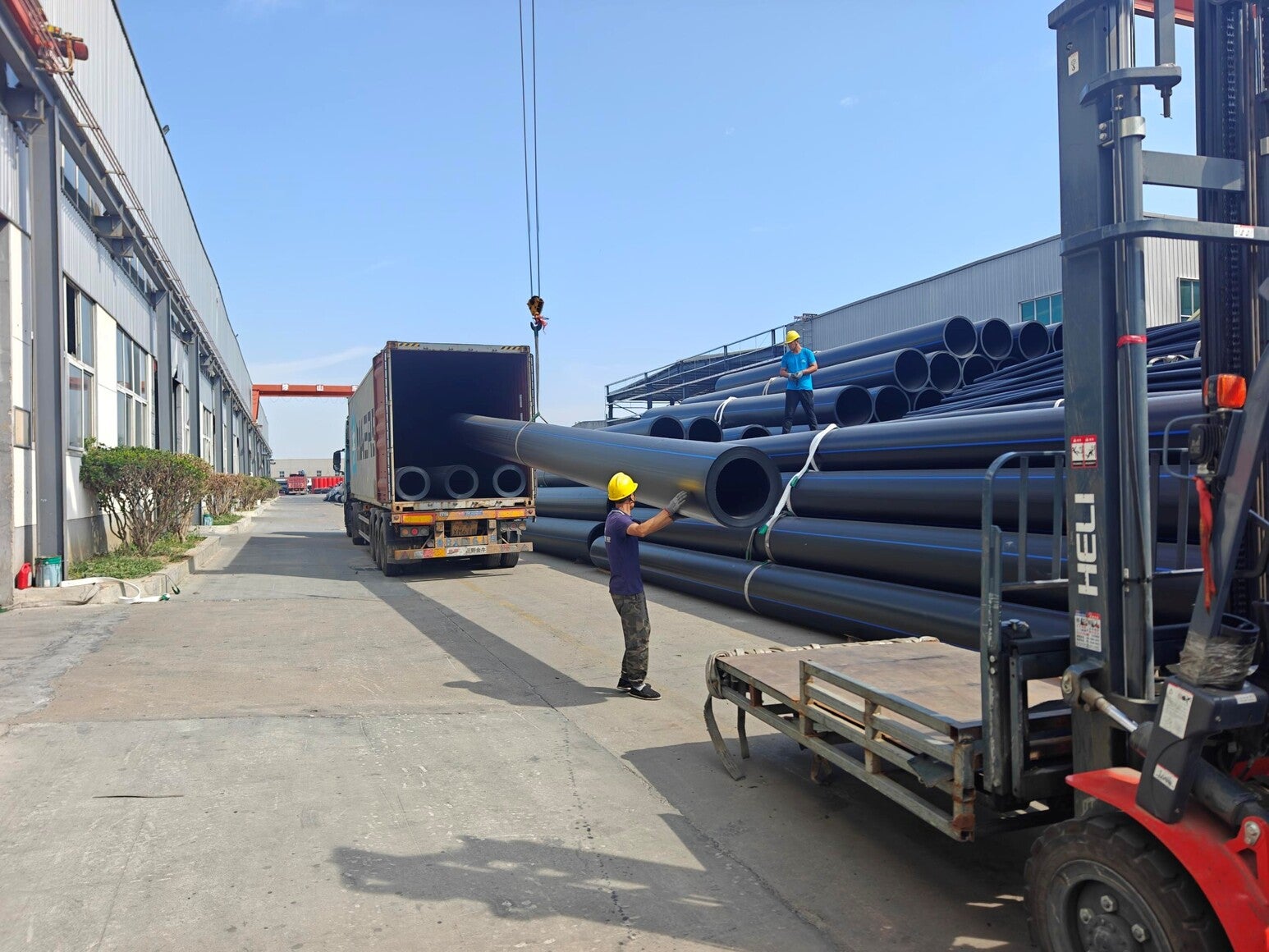
Puhui Industry operates a 68,000m² manufacturing facility with an annual capacity of approximately 200,000t. The plant maintains production lines and quality control procedures for both metric ISO and imperial AWWA products, supported by certifications including ISO 9001, ISO 14001, ISO 45001, FM 1613, NSF, WRAS, and others. Full batch traceability from resin to finished pipe is standard, and shipping is organised for major mining destinations worldwide.
Conclusion
ISO 4427 and AWWA C906 are not competing products; they are two coherent engineering systems developed for different regional and historical contexts. The correct choice depends on the project’s governing specifications, operating conditions, and existing infrastructure. Understanding the differences in material classification, design factors, and dimensioning rules allows engineers to avoid the most common sources of error.
When a project requires both systems, or when supply reliability across multiple regions is important, working with a manufacturer that has demonstrated production and delivery capability for both ISO 4427 and AWWA C906 reduces technical and logistical risk. Puhui Industry’s experience supplying mining projects in North America, South America, and Australia, combined with repeat orders from the same clients, provides practical evidence of this dual capability in real operating environments.
For project-specific guidance, please contact the Puhui team and provide the fluid, design pressure, temperature range, required standard(s) and diameter range. Technical recommendations and commercial proposals can then be prepared against the exact requirements of the specification.
Website: https://www.phtopindustry.com/
LinkedIn: https://www.linkedin.com/company/puhui-pipeline-industry-co-ltd