

Decoding MTCs: How to Verify Raw Material Traceability for HDPE Mining Piping Procurement
Mining pipelines operate under high pressure, abrasive solids and corrosive fluids. A single batch of substandard raw material can lead to premature failure, leaks or system shutdowns. The Material Test Certificate (MTC) is the primary document that proves the resin grade, properties and production batch of HDPE pipe. Yet many MTCs look complete on the surface while failing basic traceability checks. This article provides a practical verification process that procurement and quality teams can apply immediately.
What an MTC must contain for HDPE mining pipe
A valid MTC for HDPE pressure pipe typically records:
- Resin designation (PE100 or PE4710)
- Melt flow index and density
- Carbon black content (normally ≥2 %)
- Batch or lot number
- Production date and line identification
- Applicable standards (ISO 4427, ASTM F714, AWWA C906, etc.)
- Measured mechanical and hydrostatic results
These data confirm that the material meets the design requirements for long-term pressure performance.
Core checklist for reviewing an MTC
- Match every item against the purchase order and project specification: material grade, standard and pressure class.
- Confirm that critical values (melt flow index, density, carbon black, tensile properties) are reported as actual measured results, not simply “pass” or “compliant.”
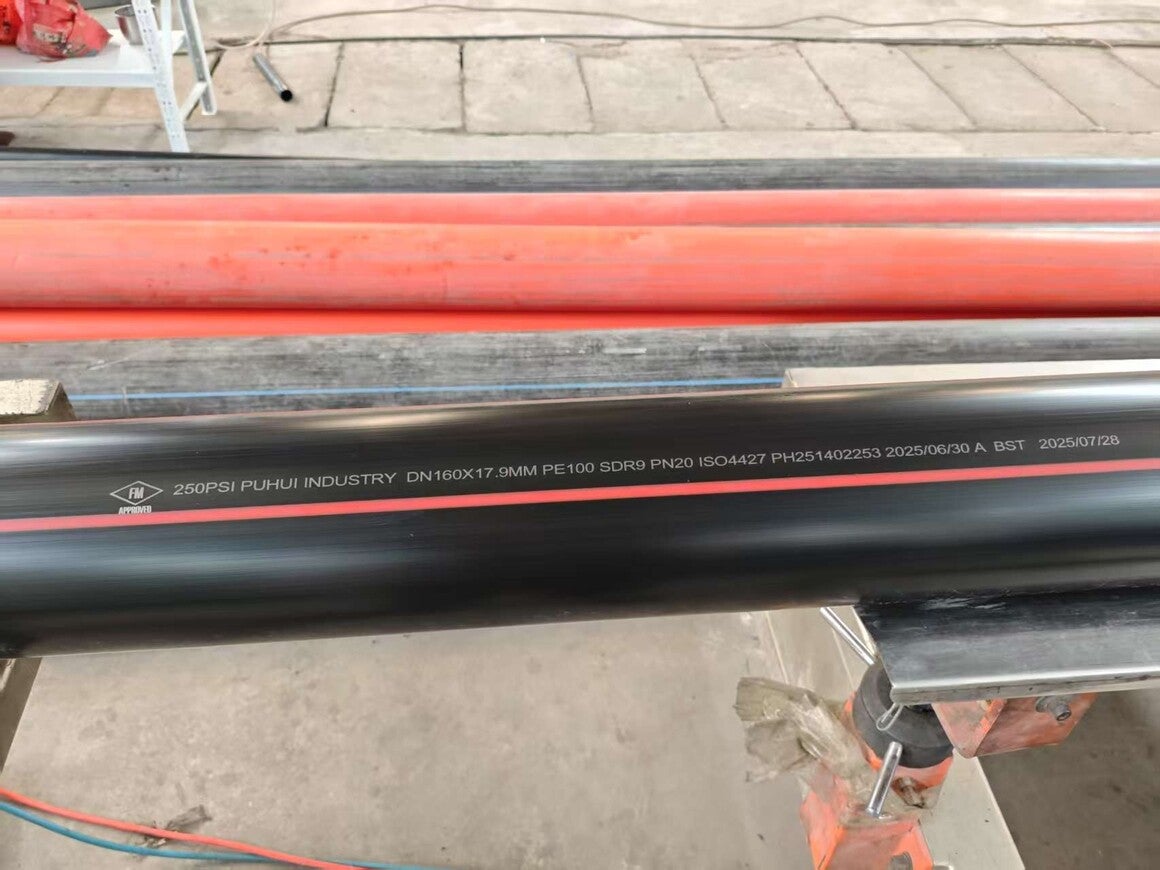
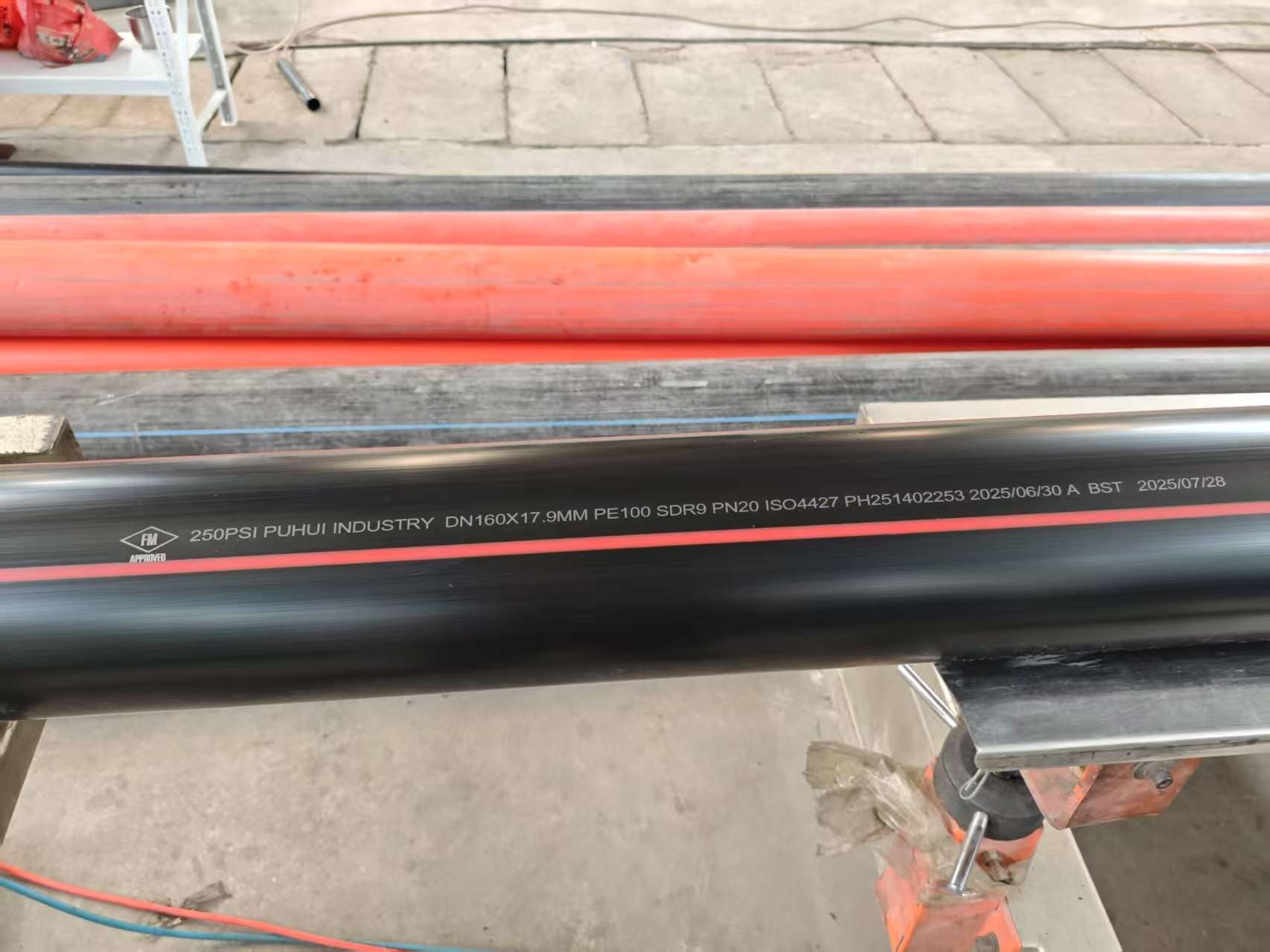
- Verify that the batch or lot number is clearly stated and identical to the print line on the physical pipe.
- Check for production date, extruder or line identification, quality-control signature and company stamp.
- Confirm the certificate can be traced back to the specific resin batch, not only to the finished pipe.
Common red flags of incomplete or unreliable MTCs
- All values sit exactly at the minimum standard limit with no realistic variation.
- Batch numbers are missing, repeated across unrelated shipments, or do not match the pipe print line.
- No information is given about the resin supplier or incoming raw-material batch.
- The document lacks a formal company letterhead, authorised signature or verifiable certificate number.
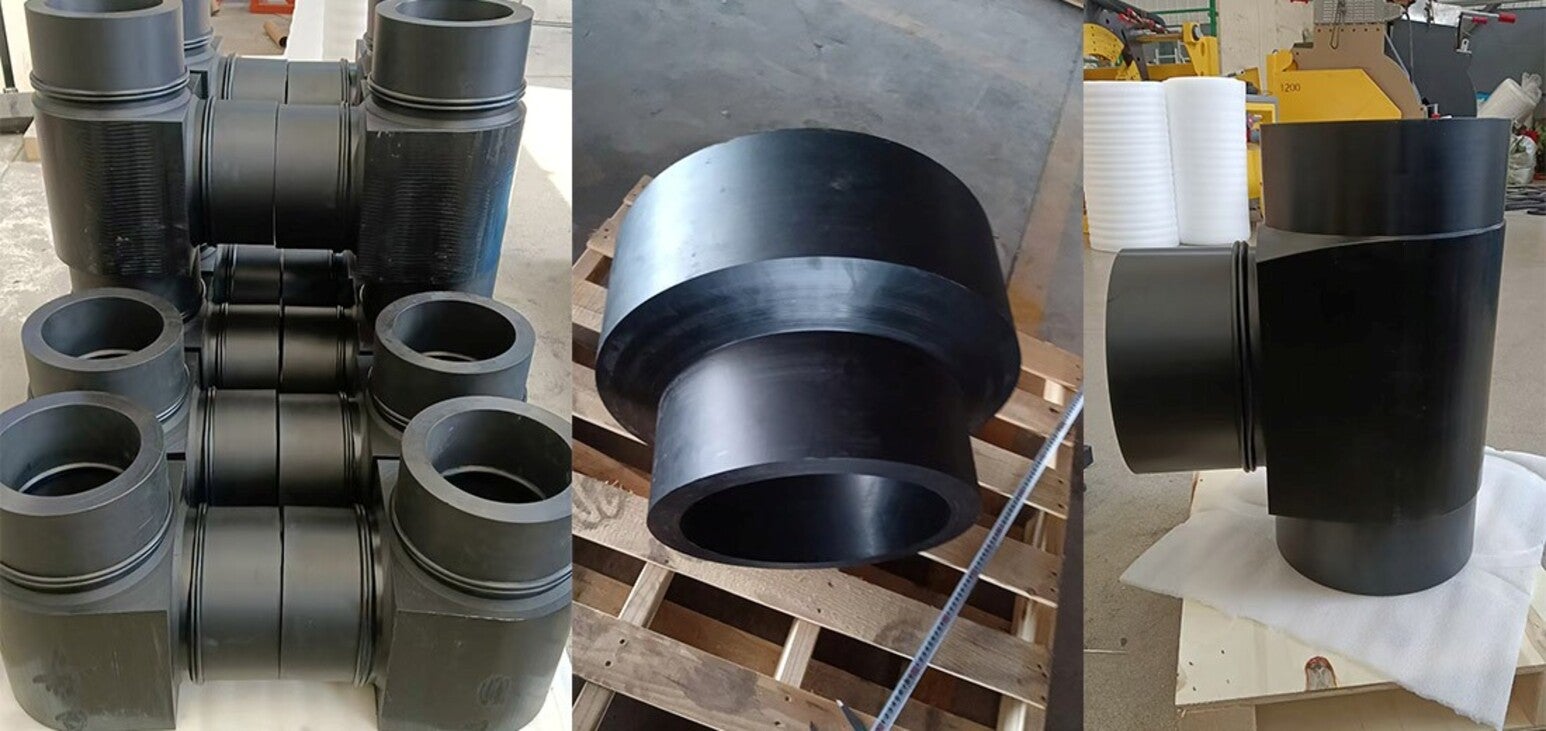
- Pipe carries certification while fittings are supplied with incomplete or missing MTCs.
Any of these issues should trigger a hold on acceptance until clarification is provided in writing.
How to verify full raw-material-to-finished-product traceability
Request the resin manufacturer’s certificate or batch record for the material used.
Confirm that production records (extrusion date, machine number, process parameters) link directly to the finished-pipe batch number.
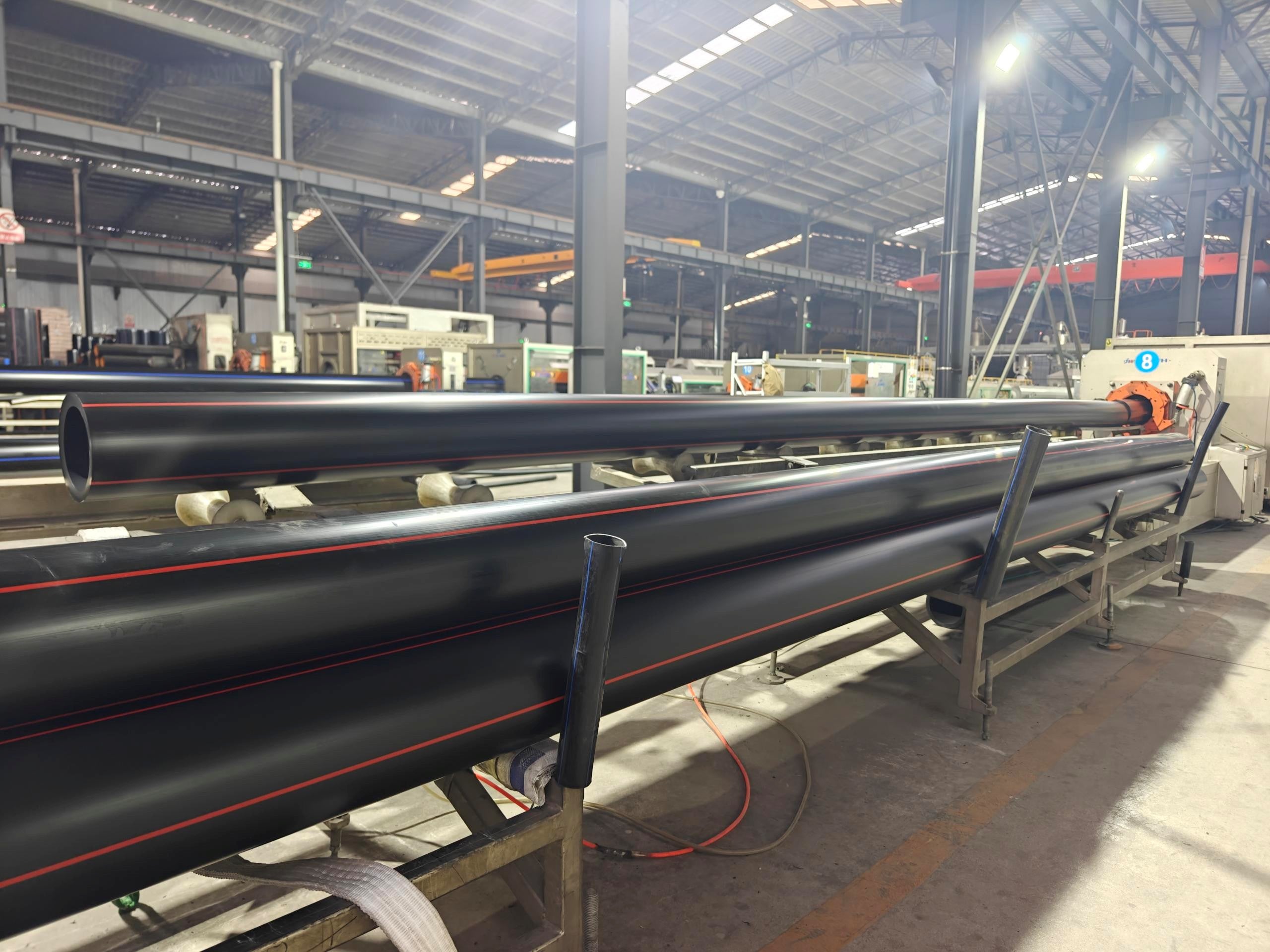
Inspect the permanent print line on the pipe; it must contain a unique production code that matches the MTC.
Ensure hydrostatic, dimensional and visual test reports refer to the same batch.
A complete chain reads: resin batch → production record → finished-pipe batch → MTC → physical marking.
The added assurance of FM supervision and marking
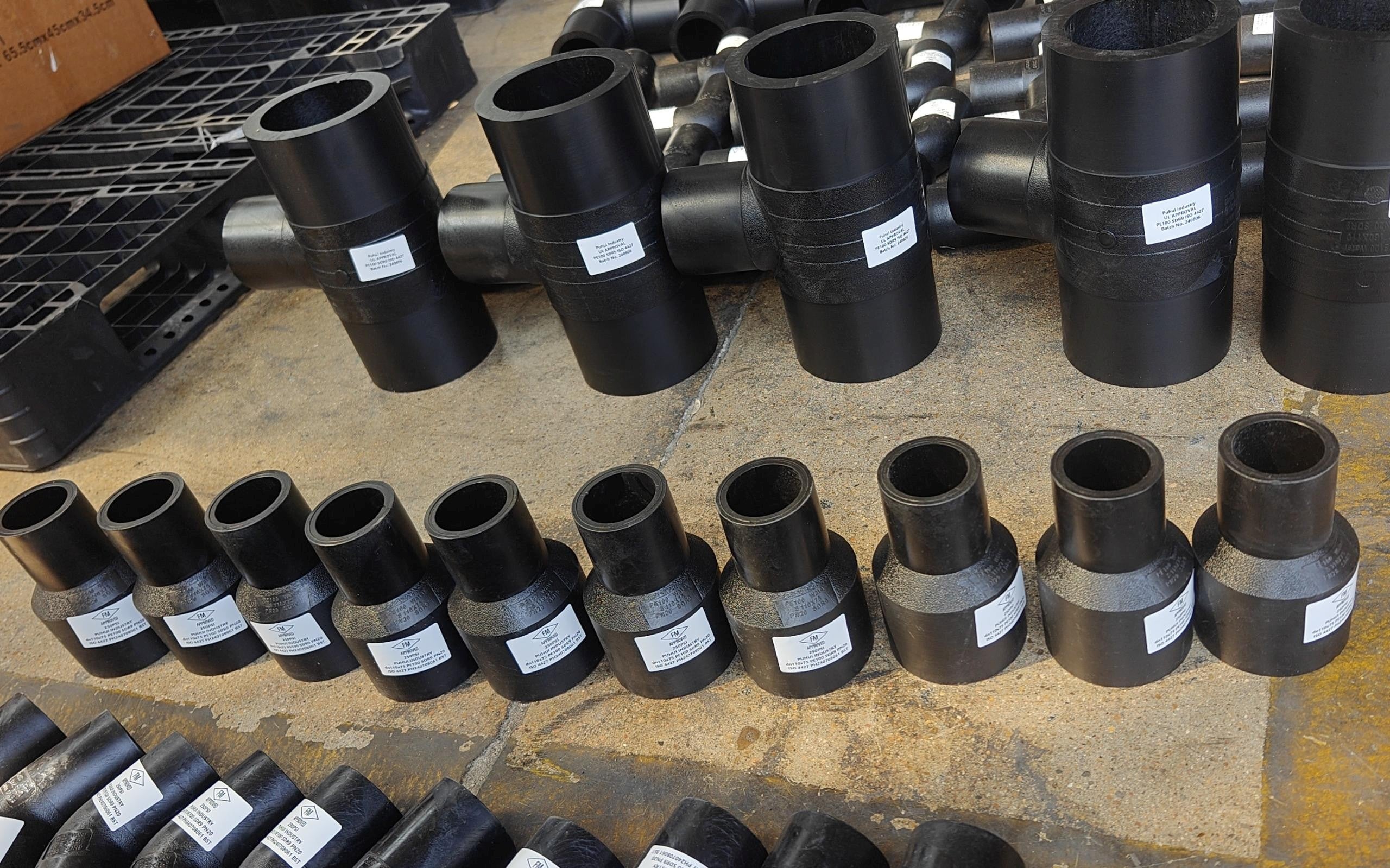
FM 1613 approval requires ongoing factory audits and product surveillance. Products that carry the FM mark have been manufactured under continuous independent oversight of both material and process. When both pipe and fittings hold FM 1613 approval, the entire system operates under the same controlled and monitored quality system. Certificates can be verified directly in the official FM Approval Guide.
Puhui Industry practice
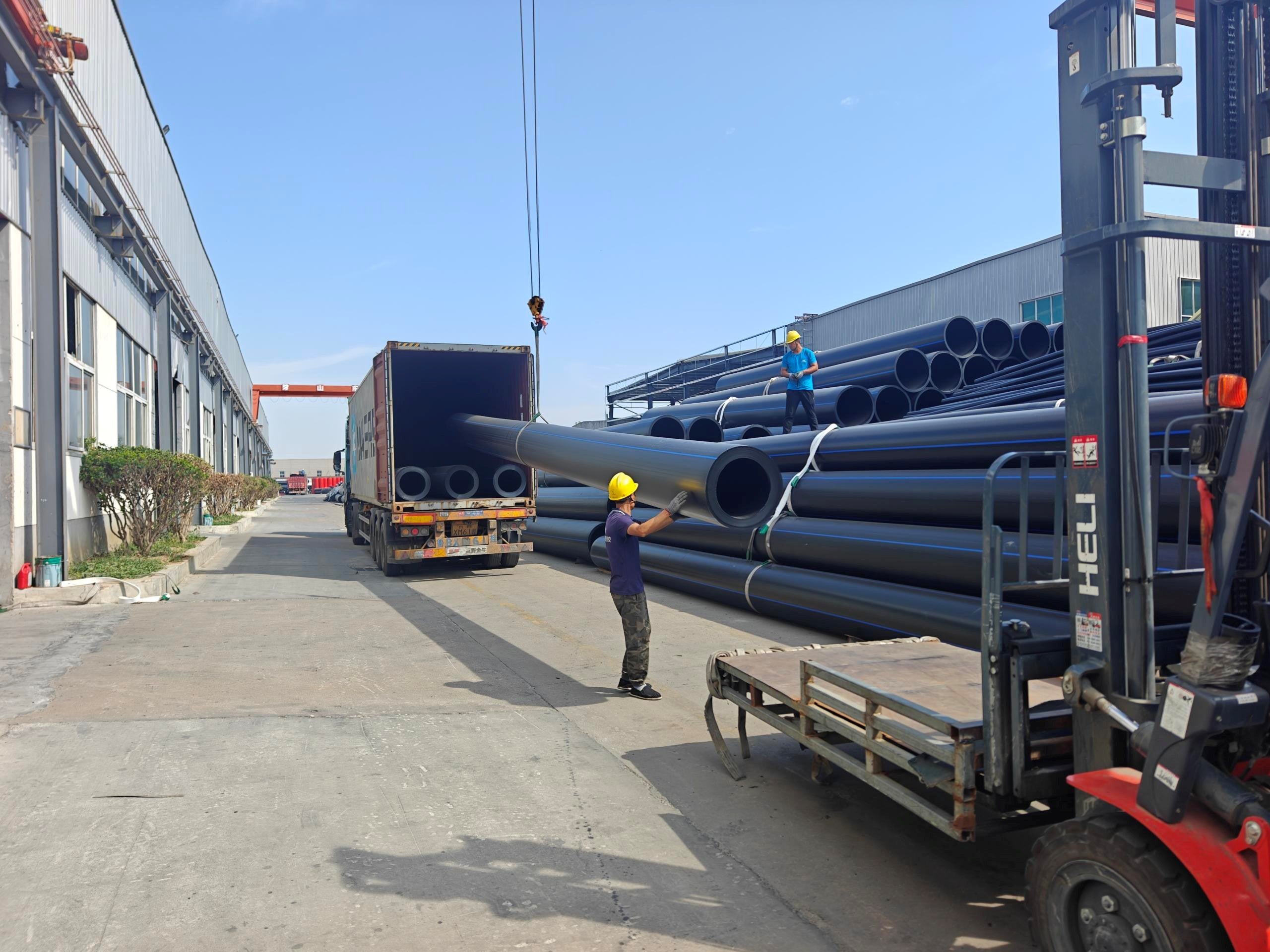
Puhui Industry maintains full batch traceability from incoming resin to finished pipe and fittings. The company operates under continuous FM surveillance, and products carry the verifiable FM mark. MTCs and factory test reports are issued with clear batch linkage and can be cross-checked against pipe markings. Both pipes and fittings fall under the same traceability and certification system. These dual-certified products have been supplied to mining and fire-protection projects in Indonesia, the Philippines, Singapore, Chile, Ecuador, the United States, Canada, Argentina, Brazil, Bolivia, France, Italy and additional countries.
Practical acceptance steps
- Obtain the MTC and test reports before shipment and perform a pre-check.
- On arrival, sample-check pipe print lines against the MTC batch numbers.
- Archive the complete document set for future audits or insurance claims.
- For critical lines, consider third-party witnessing or additional testing.
- Prefer suppliers that demonstrate both full traceability and continuous third-party supervision such as FM.
Conclusion
An MTC is not a formality; it is the documented proof of raw-material integrity and production consistency. Incomplete or non-traceable certificates leave mining projects exposed to quality and compliance risk. Apply the checklist above to every shipment. For HDPE piping systems manufactured under continuous FM supervision with complete raw-material-to-product traceability, contact Puhui Industry for sample documentation and technical support.