
HDPE Mining Pipe Delivers Corrosion-Proof Performance in Heap Leach Copper and Gold Operations
Heap leaching remains one of the most widely used extraction methods for copper and gold. Copper operations typically circulate dilute sulfuric acid solutions at pH1.0–2.5. Gold operations use alkaline cyanide solutions maintained at pH10.5–13. Both environments combine aggressive chemistry, abrasive solids, temperature fluctuations, and continuous service that rapidly degrade conventional metal piping.
Carbon steel and even stainless steel suffer electrochemical corrosion, pitting, and scale build-up. Documented field experience shows steel systems in copper acid service often require replacement within six to 18 months. The result is unplanned downtime, elevated maintenance costs, and elevated environmental risk from leaks.
Why thermoplastic piping outperforms metal in heap leach service
High-density polyethylene (HDPE), particularly PE100 and PE100-RC grades, is chemically inert across the full pH range of 0.5–14. It does not rust, scale, or undergo electrochemical attack. Laboratory and field data confirm excellent resistance to dilute sulfuric acid (up to 70% at ambient temperature) and to cyanide solutions at the concentrations used in gold leaching.
Additional performance advantages include:
- Smooth internal surface (Hazen-Williams C-factor remains high over decades), reducing pumping energy.
- Inherent abrasion resistance that frequently exceeds unlined steel in sliding-bed slurry service.
- Fully fused butt or electrofusion joints that create a monolithic, leak-free system.
- Design service life of 50 years under normal operating temperatures (continuous service typically limited to 60°C–80°C depending on pressure and chemical concentration).
- Flexibility that accommodates ground settlement and seismic movement without joint failure.
Critical selection criteria for heap leach piping
- Chemical compatibility – Confirm resin grade against the exact pregnant leach solution (PLS) and raffinate chemistry, including dissolved metal ions that can accelerate antioxidant depletion at elevated temperature.
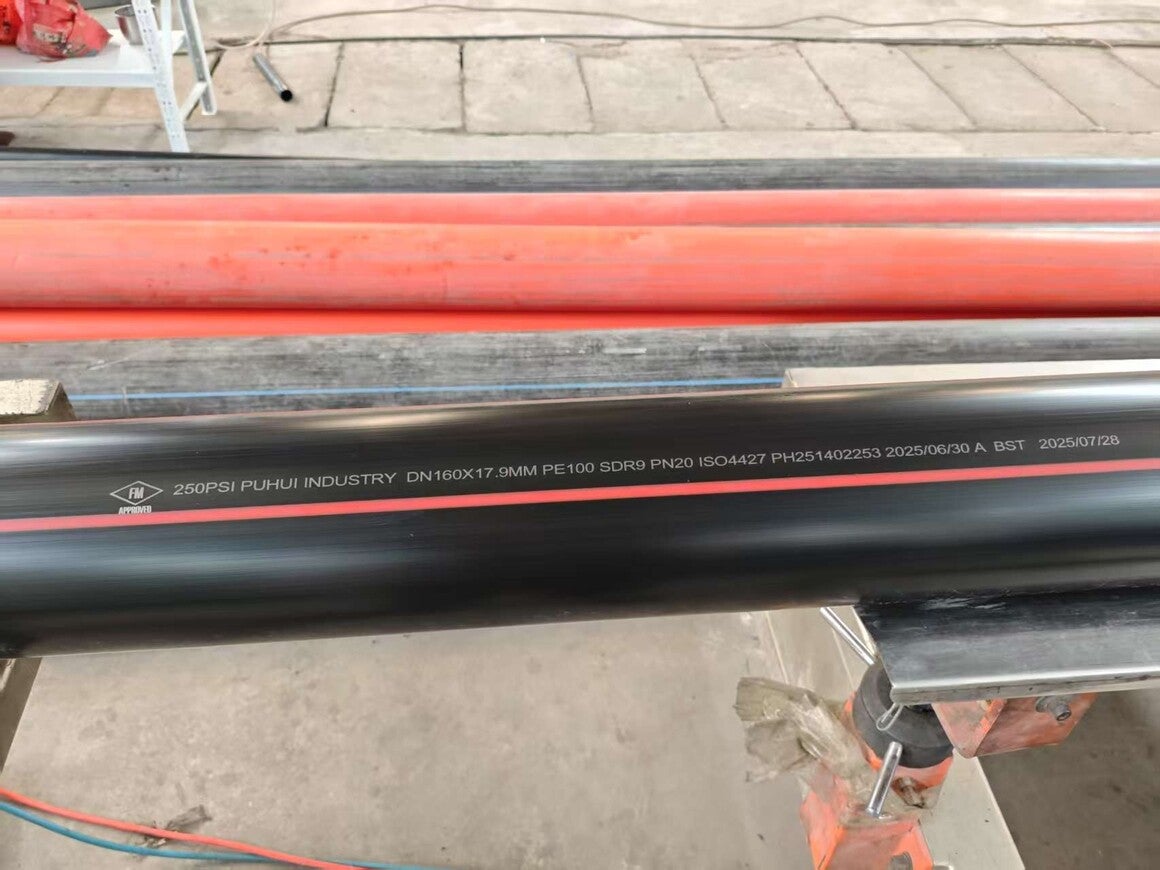
- Pressure rating and wall thickness – Select SDR according to operating pressure plus surge. Common mining ratings range from SDR 17 (PN10) to SDR 11 (PN16), with higher ratings for specific pressure zones.
- Material grade – PE100-RC provides superior resistance to slow crack growth under point loads and surface scratches common in buried collection systems.
- Joint integrity – Requires qualified butt-fusion or electrofusion procedures with recorded parameters; mechanical joints introduce leak paths.
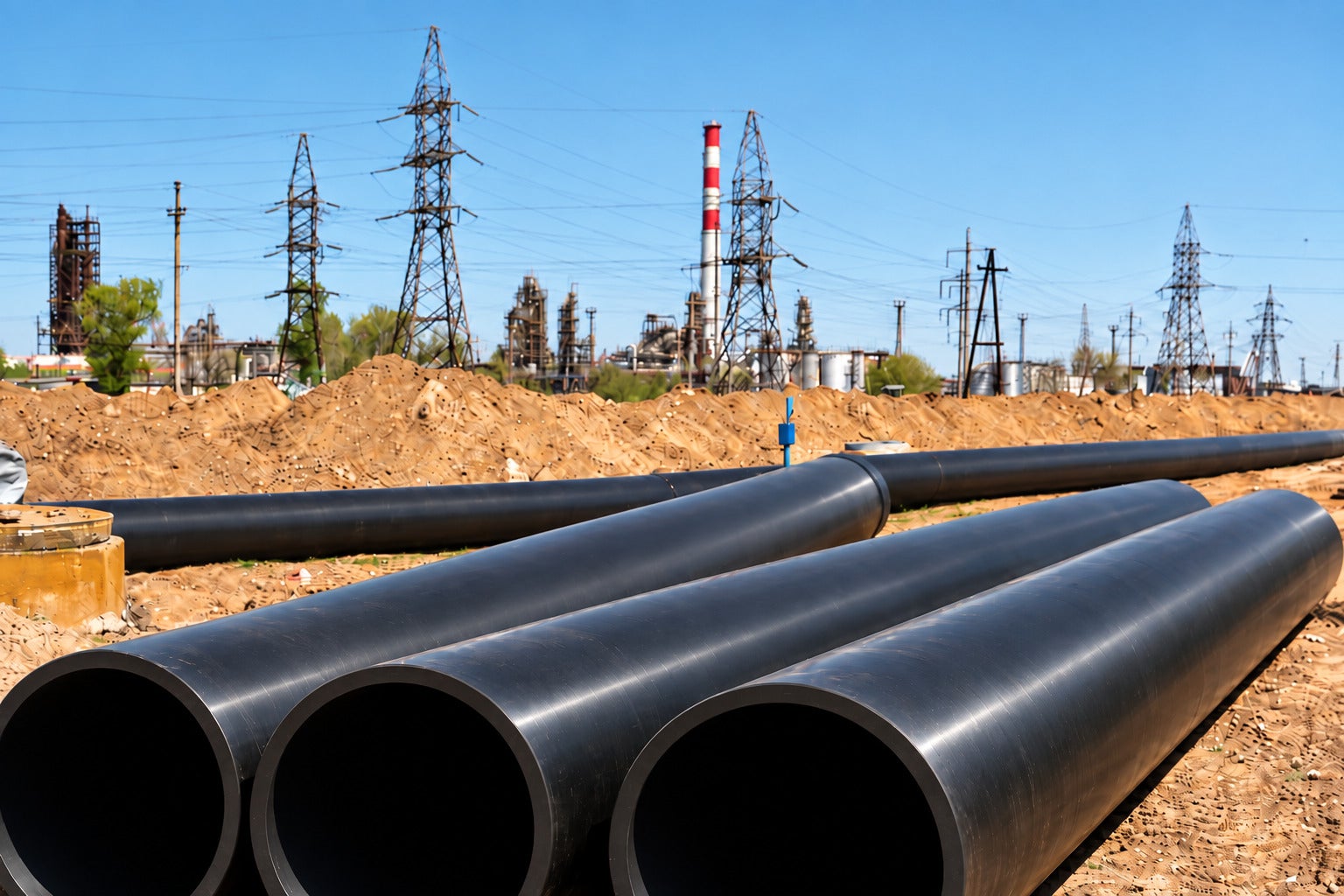
- Installation and UV protection – Black HDPE with 2%–2.5% carbon black offers outdoor UV resistance. Buried collection pipes under the overliner require proper bedding and load design for ore height.
Puhui Industry HDPE solutions for extreme chemical service
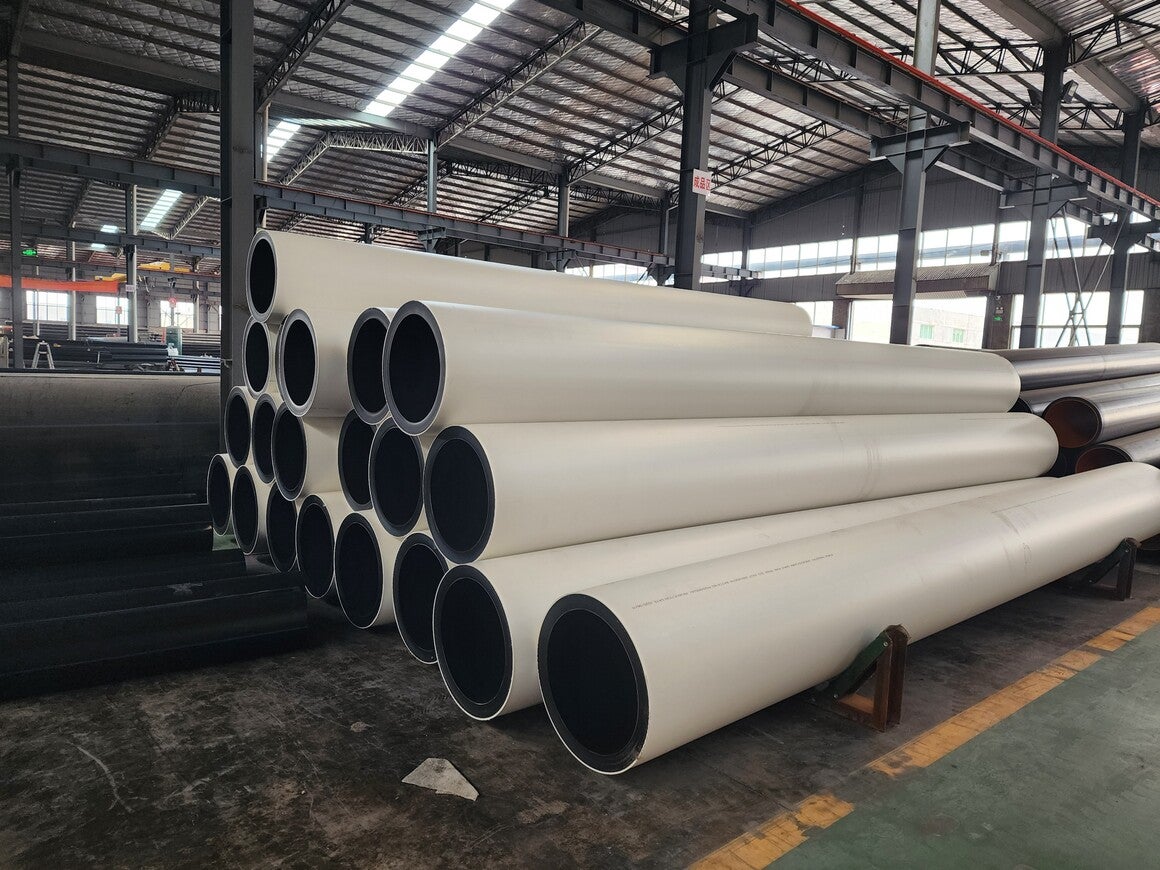
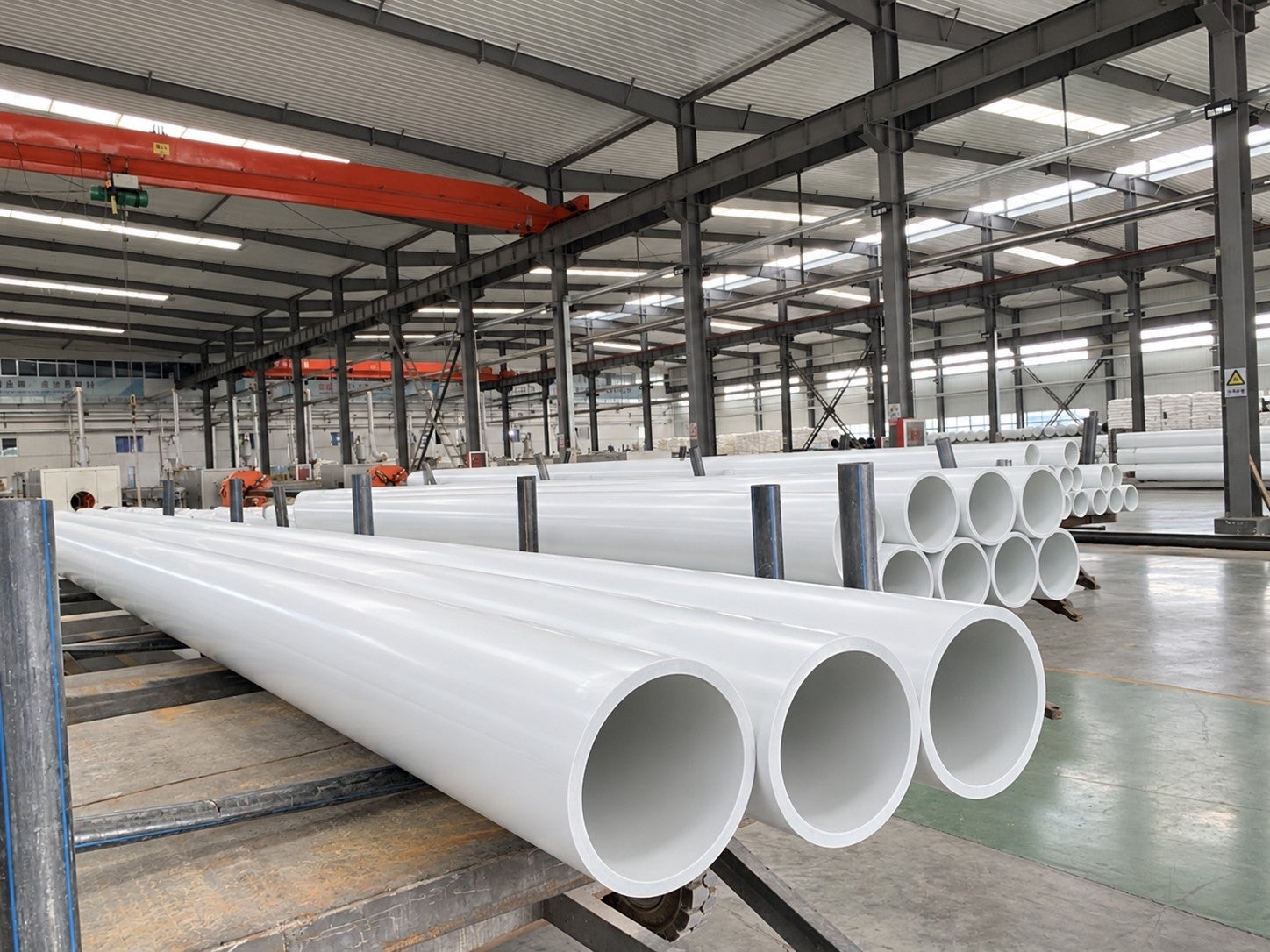
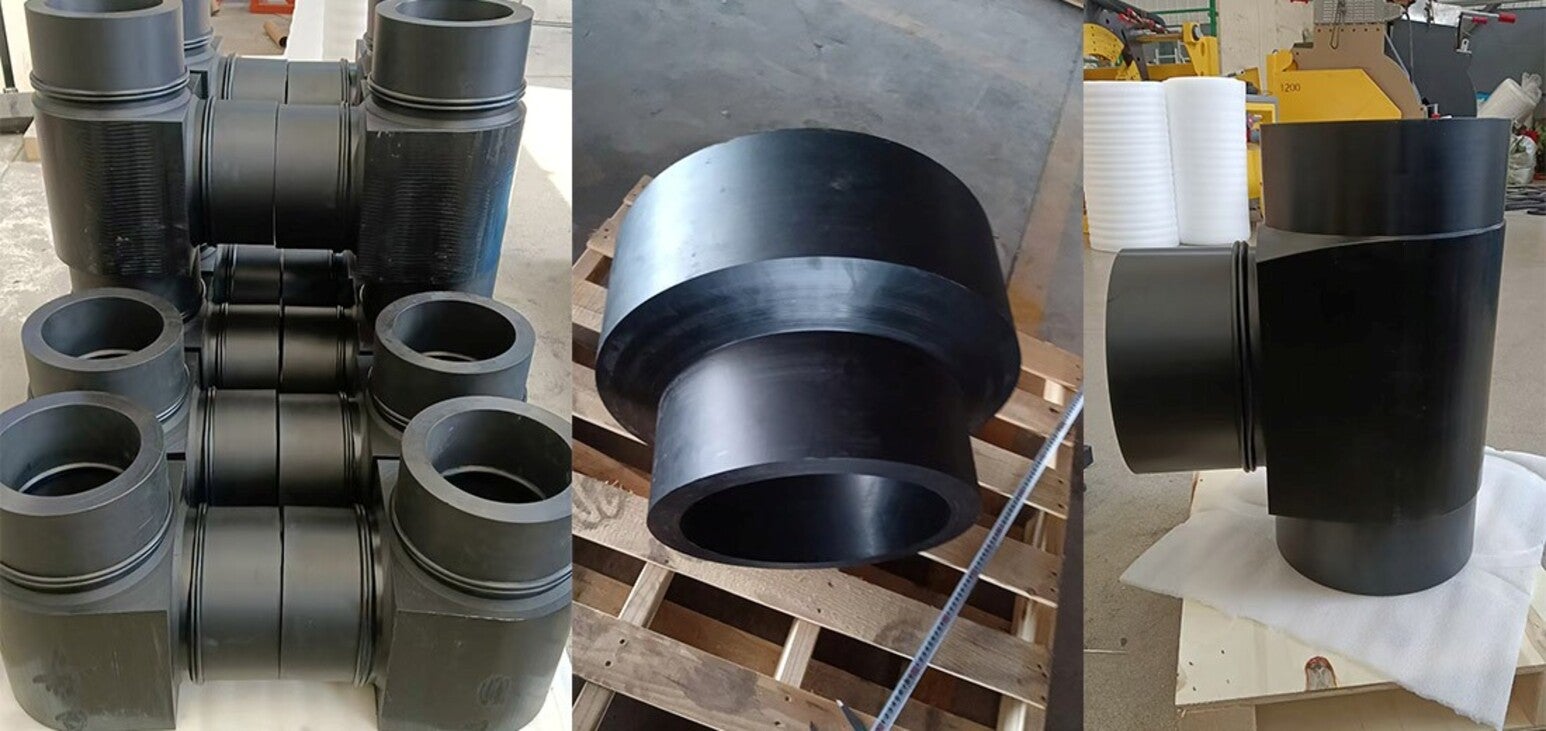
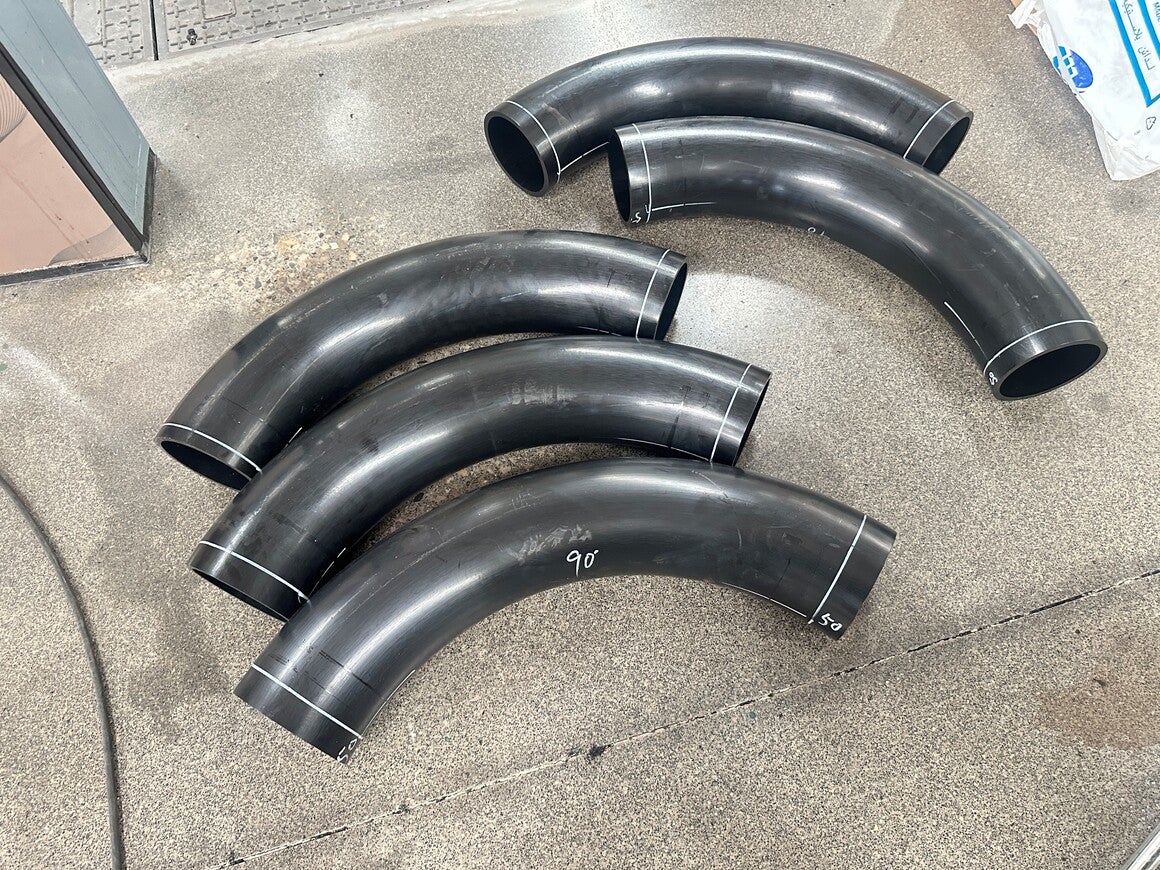
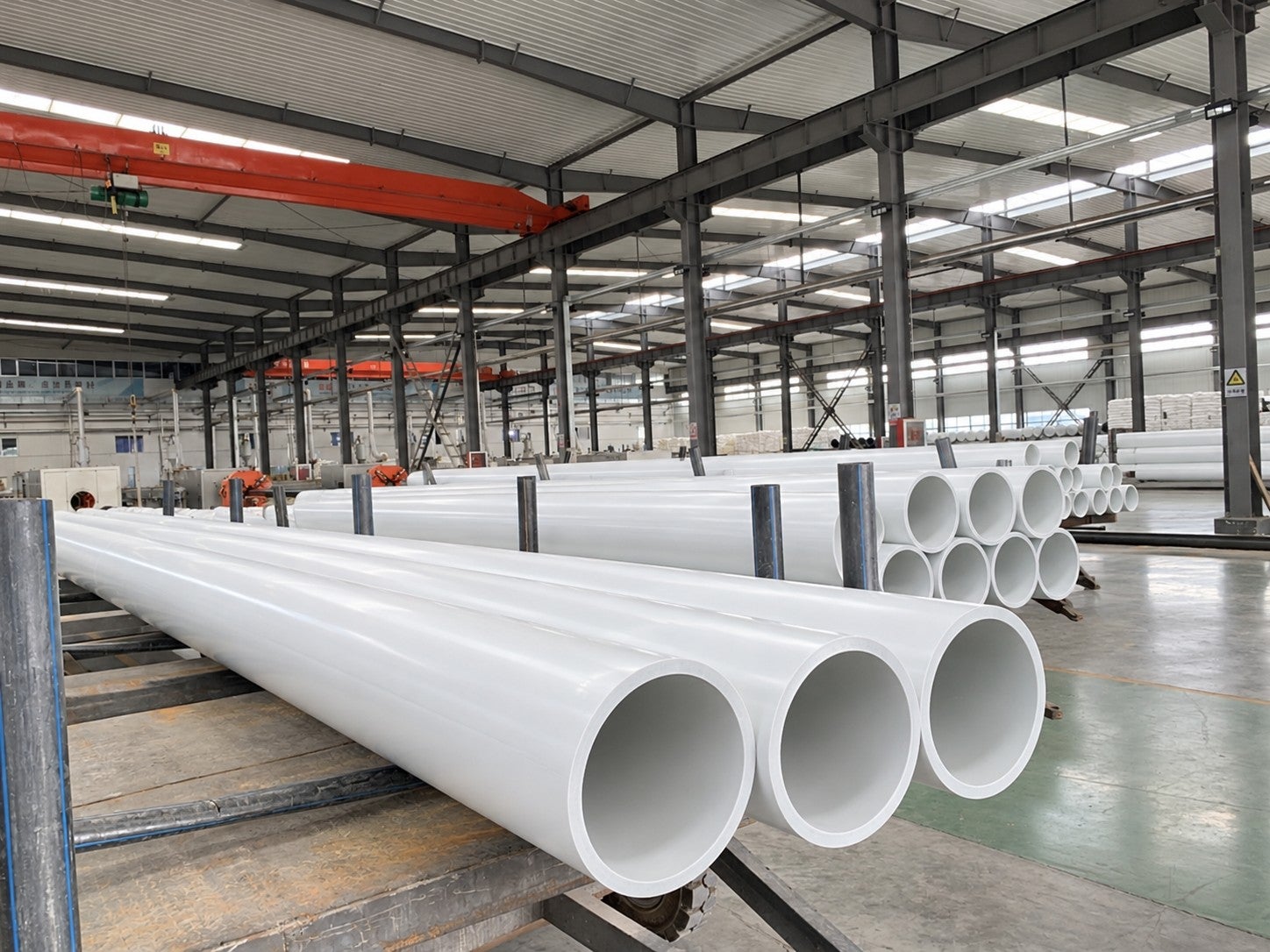
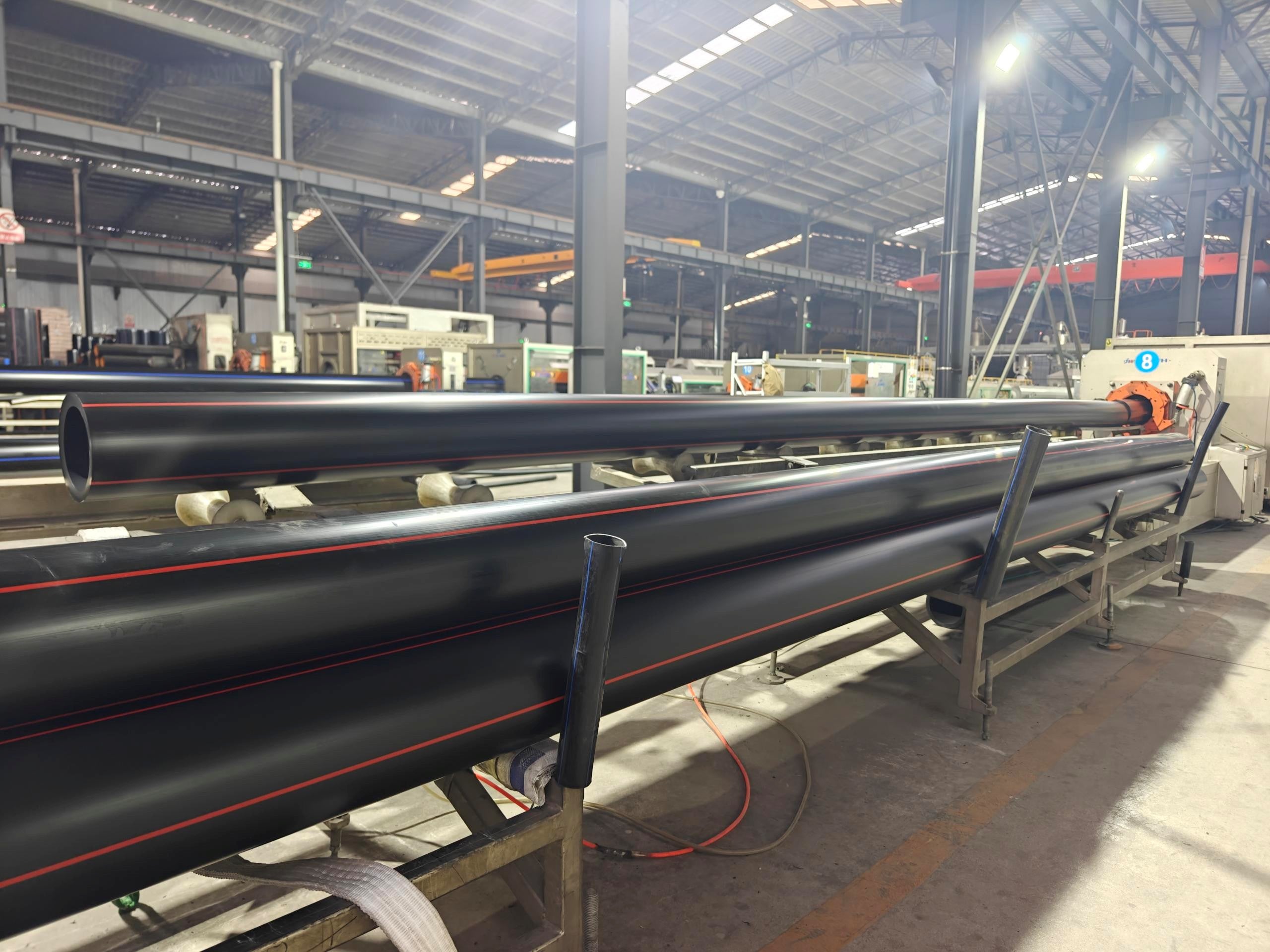
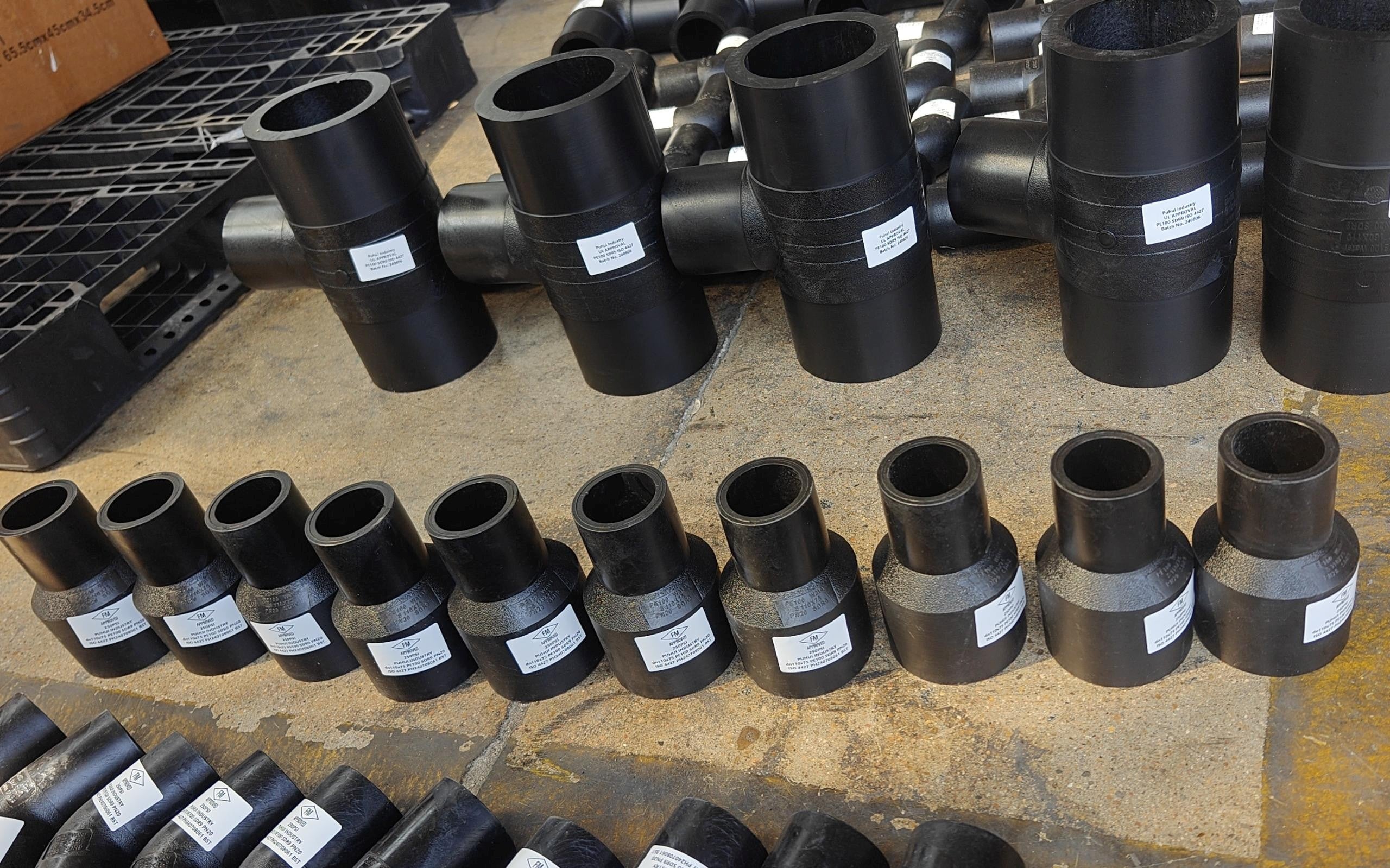
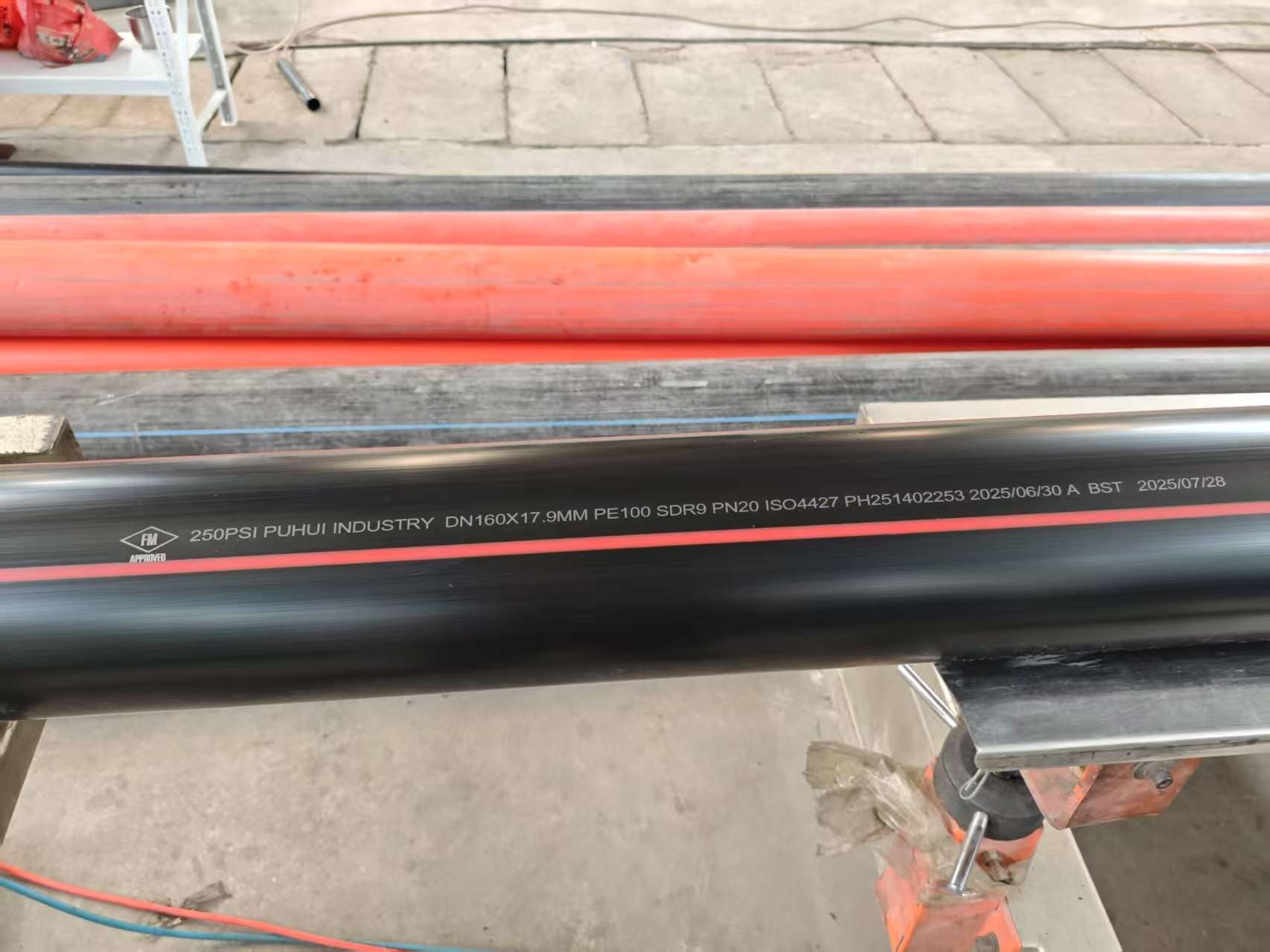
Puhui Industry manufactures PE100 and PE100-RC solid-wall HDPE pipes and fittings specifically for mining applications, including heap leach solution distribution, PLS collection, raffinate return, and process water systems. Key product parameters include:
- Diameter range: 20mm to 1,800mm
- Pressure classes: SDR 33 (PN5) to SDR 7.4 (PN25)
- Standards: ISO 4427, EN 12201, ASTM F714, AS/NZS 4130
- Certifications: FM 1613 (Puhui is the only mainland China manufacturer with this approval), NSF, WRAS, CE, ISO 9001/14001/45001
- Connection systems: butt-fusion and electrofusion fittings engineered for the same pressure class as the pipe
The homogeneous PE100/PE100-RC wall eliminates internal corrosion and resists dilute acids and alkalis typical of copper and gold heap leach circuits. Fused joints deliver a zero-leak system. Lightweight construction and coilability (for smaller diameters) reduce installation time and equipment requirements compared with steel.
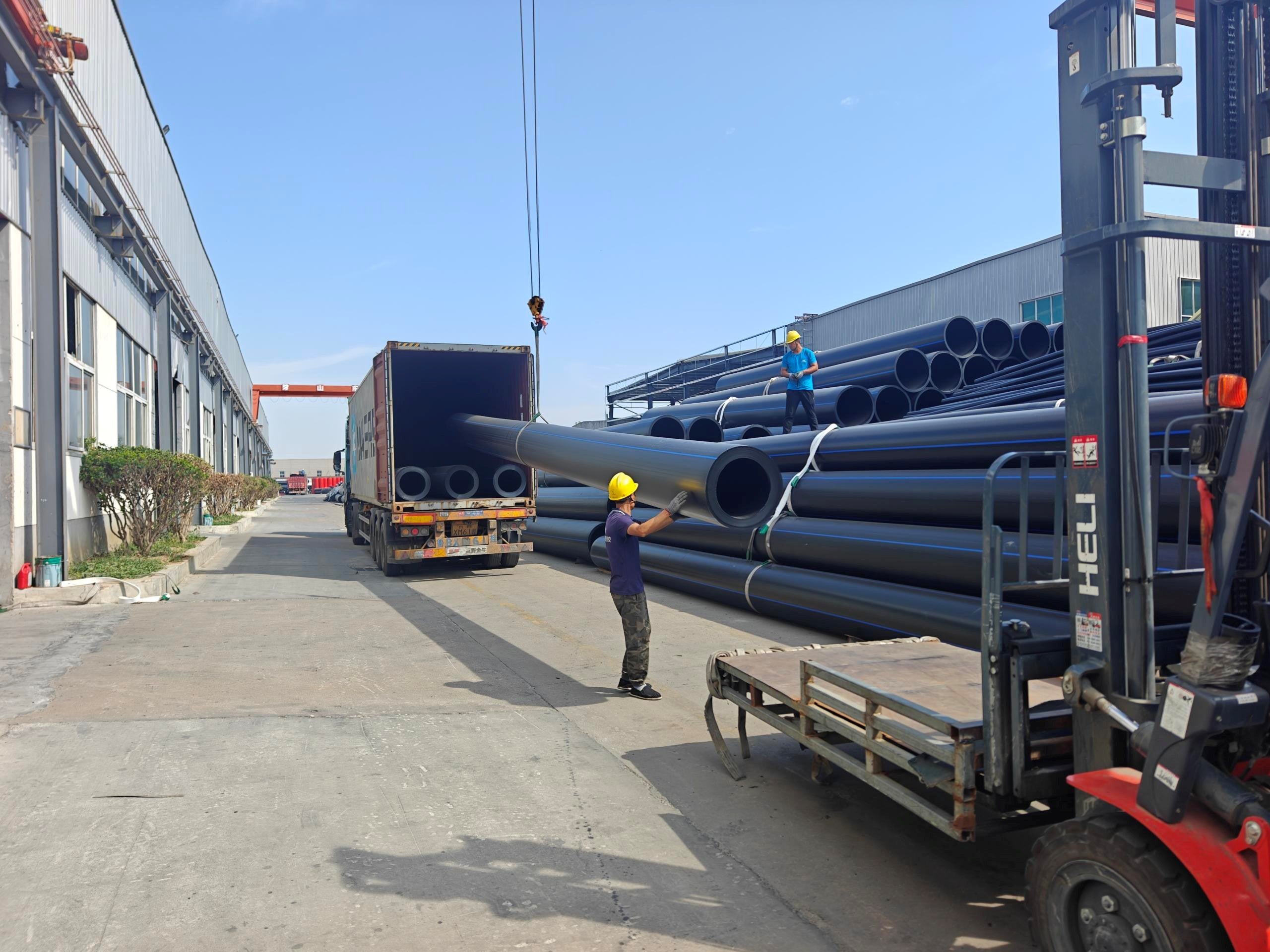
These pipes have been supplied to mining projects across more than 100 countries for slurry, tailings, process water, and heap leach applications. The combination of chemical stability, abrasion resistance, and long design life directly addresses the primary failure modes of metal piping in acid and alkaline leach service.
Implementation recommendations
- Conduct project-specific chemical immersion testing when solution temperature exceeds 50°C or metal-ion concentrations are high.
- Design buried collection networks for the full ore stack height and expected settlement.
- Specify qualified fusion technicians and recorded joint parameters.
- Include pressure testing and visual inspection of all fused joints before commissioning.
- Plan for periodic non-destructive inspection of critical high-wear or high-temperature sections.
Conclusion
In copper and gold heap leach operations, piping failure is driven almost entirely by chemical attack and abrasion. PE100 and PE100-RC HDPE piping eliminates electrochemical corrosion, delivers leak-free fused joints, and provides a design life measured in decades rather than months. Selecting the correct thermoplastic grade and installing it with proper fusion procedures converts a chronic maintenance liability into a stable, low-intervention system.
Puhui Industry supplies the full range of PE100/PE4710/ PE100-RC pipes and fittings sized and rated for mining system heap leach service. For project-specific diameter, SDR, and chemical compatibility data, contact the technical team with your solution chemistry, temperature, and pressure profile.
Website: https://www.phtopindustry.com/
LinkedIn: https://www.linkedin.com/company/puhui-pipeline-industry-co-ltd