
From Pit to Port: How Optimised Logistics and Packaging Secure Bulk HDPE Pipe Delivery for Remote Mining Projects
Remote mining projects present some of the most demanding supply chain challenges in the industry. Large-diameter HDPE pipes must travel long distances by sea, sometimes by air for urgent needs, and finally reach sites with limited road access, extreme weather, or complex customs procedures. When packaging fails, or logistics are poorly planned, the result is damaged pipe, delayed installation, and rising project costs.
At Puhui Industry, we treat logistics and packaging as essential project capabilities, not afterthoughts. Over years of supplying HDPE pipes and fittings to mining operations worldwide, we have developed practical methods that keep bulk orders intact and on schedule from factory to the mining site. Two recent projects—one in Australia and one in Ecuador—illustrate how these methods work in real conditions.
Why logistics and packaging decide project success
Mining procurement teams already evaluate material quality, pressure ratings, and certifications. What often receives less attention until problems appear is the journey itself. Large HDPE pipes are bulky, sensitive to deformation, and expensive to replace once on site. In remote locations, the cost of a single delayed or damaged shipment can quickly outweigh any initial freight savings.
Successful delivery therefore depends on three linked elements:
- Protective packaging that survives ocean transit and inland handling
- Efficient loading that maximises container or vessel space without compromising pipe integrity
- Clear responsibility under DDU (Delivered Duty Unpaid) terms so the supplier manages transport risk to the agreed point
When these elements are planned early, the pipeline arrives ready for fusion and installation instead of becoming a site problem.
Ocean freight: Packaging and loading that protect the pipe
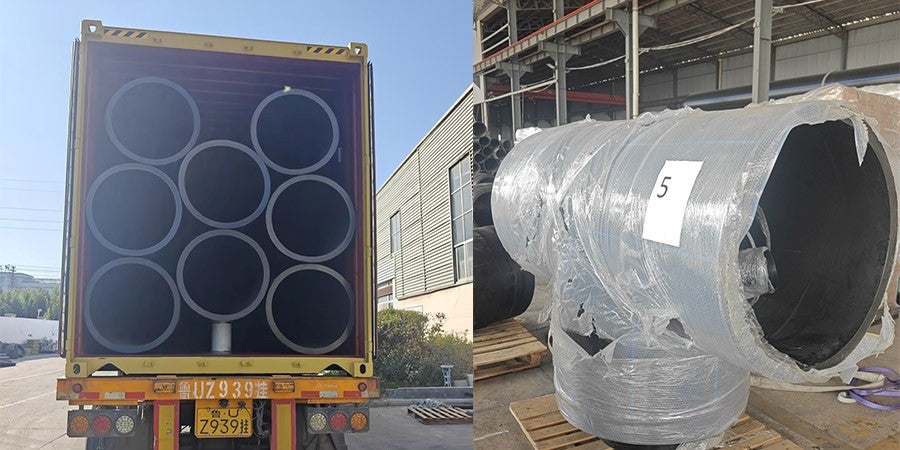
For bulk orders, the majority of volume moves by sea. Large-diameter pipes require careful support, end protection, and secure stacking to prevent ovality or surface damage during weeks at sea and subsequent trucking.
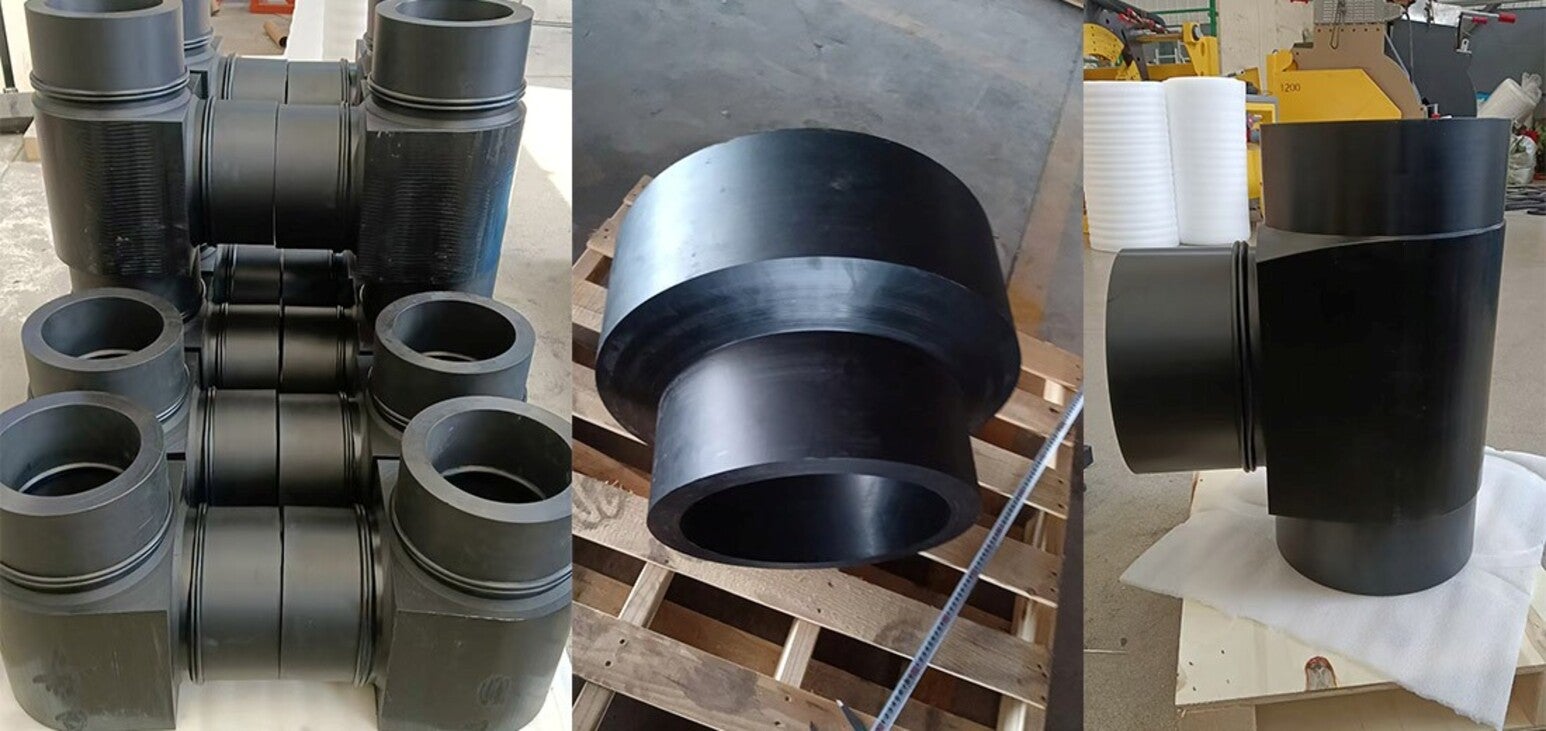
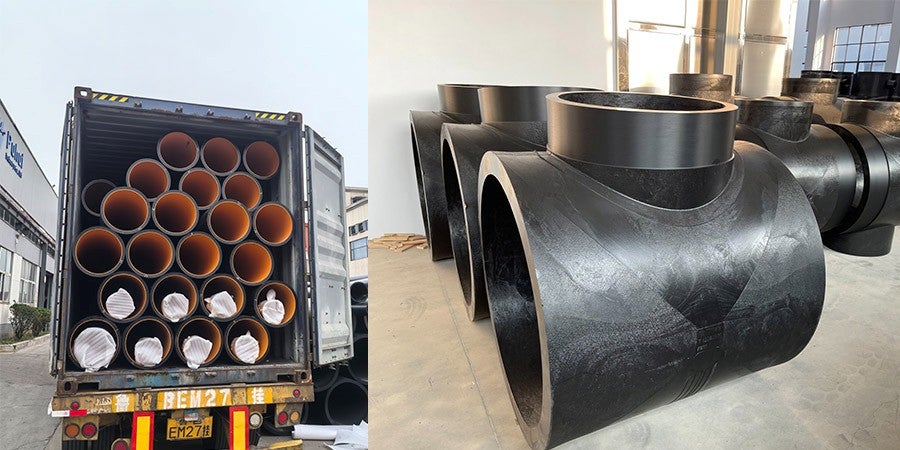
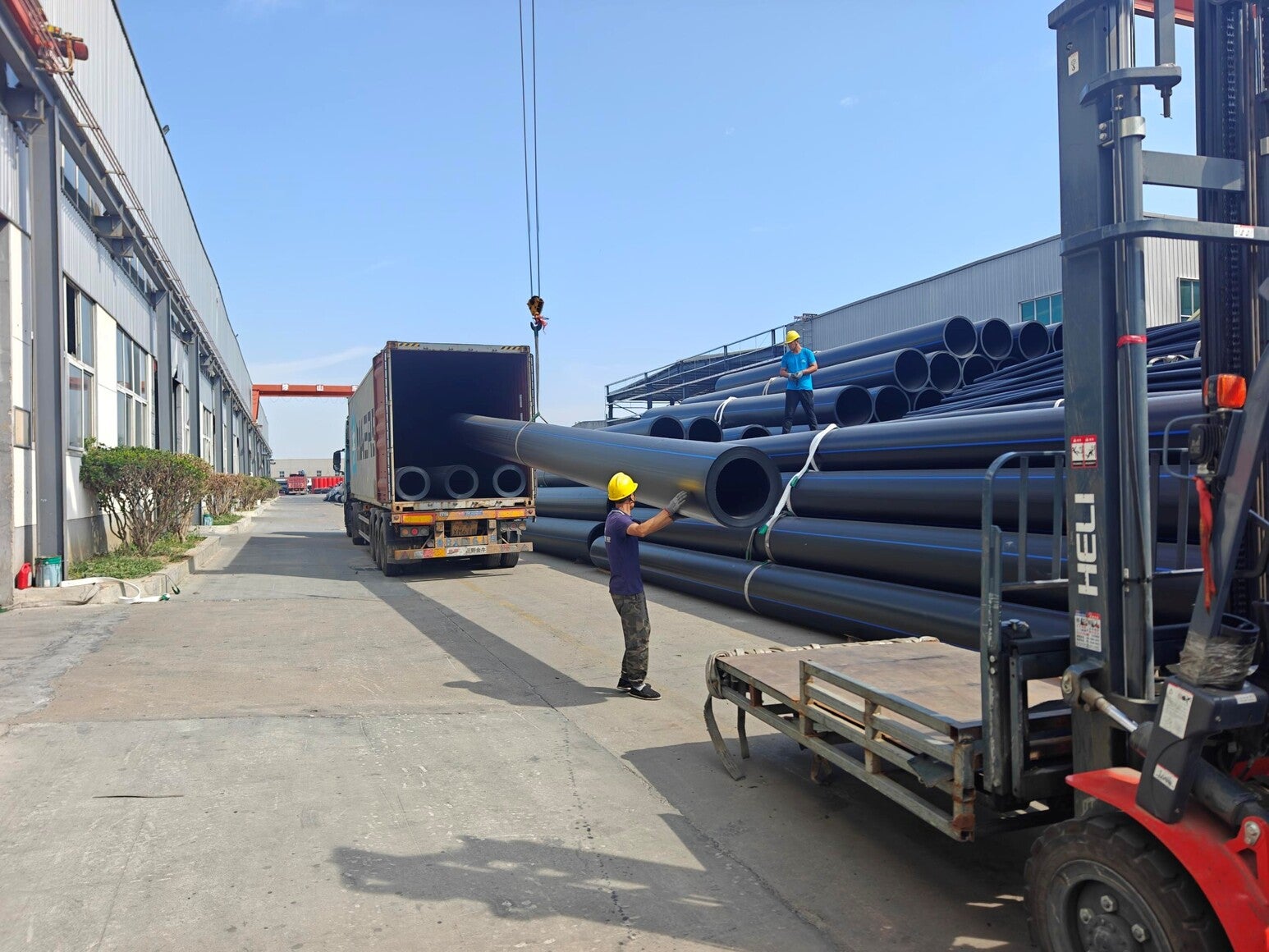
In practice, we design timber cradles, end caps, and lashing patterns matched to the specific diameter and SDR. Loading plans are developed and reviewed before the first container is packed so that weight distribution, centre of gravity, and accessibility for unloading are known in advance. The goal is higher container utilisation without the risk of pipes shifting or being crushed.
This approach reduces both freight cost per ton and the likelihood of claims. It also shortens the time between vessel arrival and the moment pipes can be taken to the installation area.
Air freight when time is critical
Occasionally a project needs a limited quantity of pipe or fittings faster than ocean schedules allow. Air freight is expensive, so every kilogram of packaging weight and every cubic metre of volume must be justified.
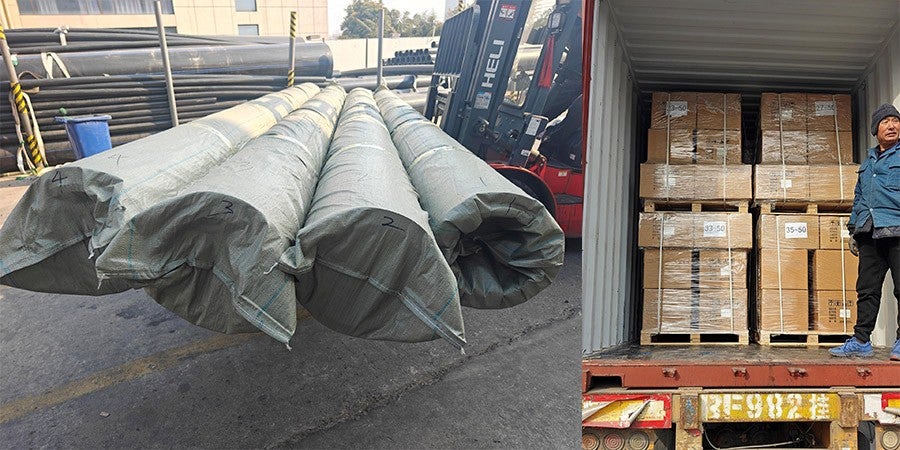
For these shipments, we use lightweight yet rigid frames and protective wrapping that meet airline requirements while keeping the pipe ends clean and free of deformation. Coordination with specialist freight forwarders ensures the cargo is accepted, tracked, and transferred quickly to the final inland leg. The same attention to packaging that works at sea also prevents damage during the shorter but more intensive air journey.
DDU Delivery: Closing the last mile to the mine
Under DDU terms, the supplier remains responsible for the goods until they reach the named destination. For remote mines, this often means arranging inland transport after the port, navigating local regulations, and ensuring the receiving team can unload safely.
Effective DDU delivery starts months earlier with route assessment, documentation readiness, and clear communication with the mine’s logistics personnel. When the pipes arrive, the handover includes inspection records so any issues are identified immediately rather than discovered during installation.
Project experience: Australia and Ecuador
Two projects demonstrate how these principles operate in different environments.
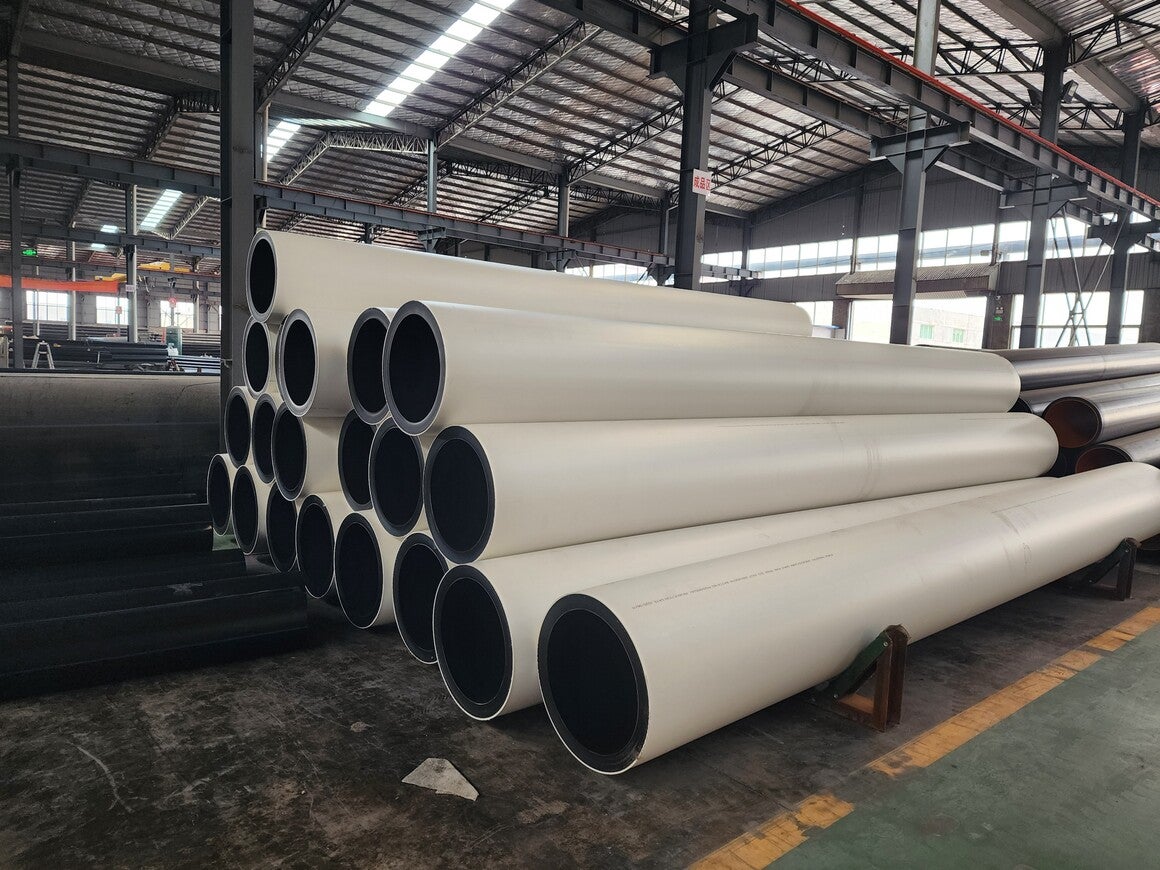
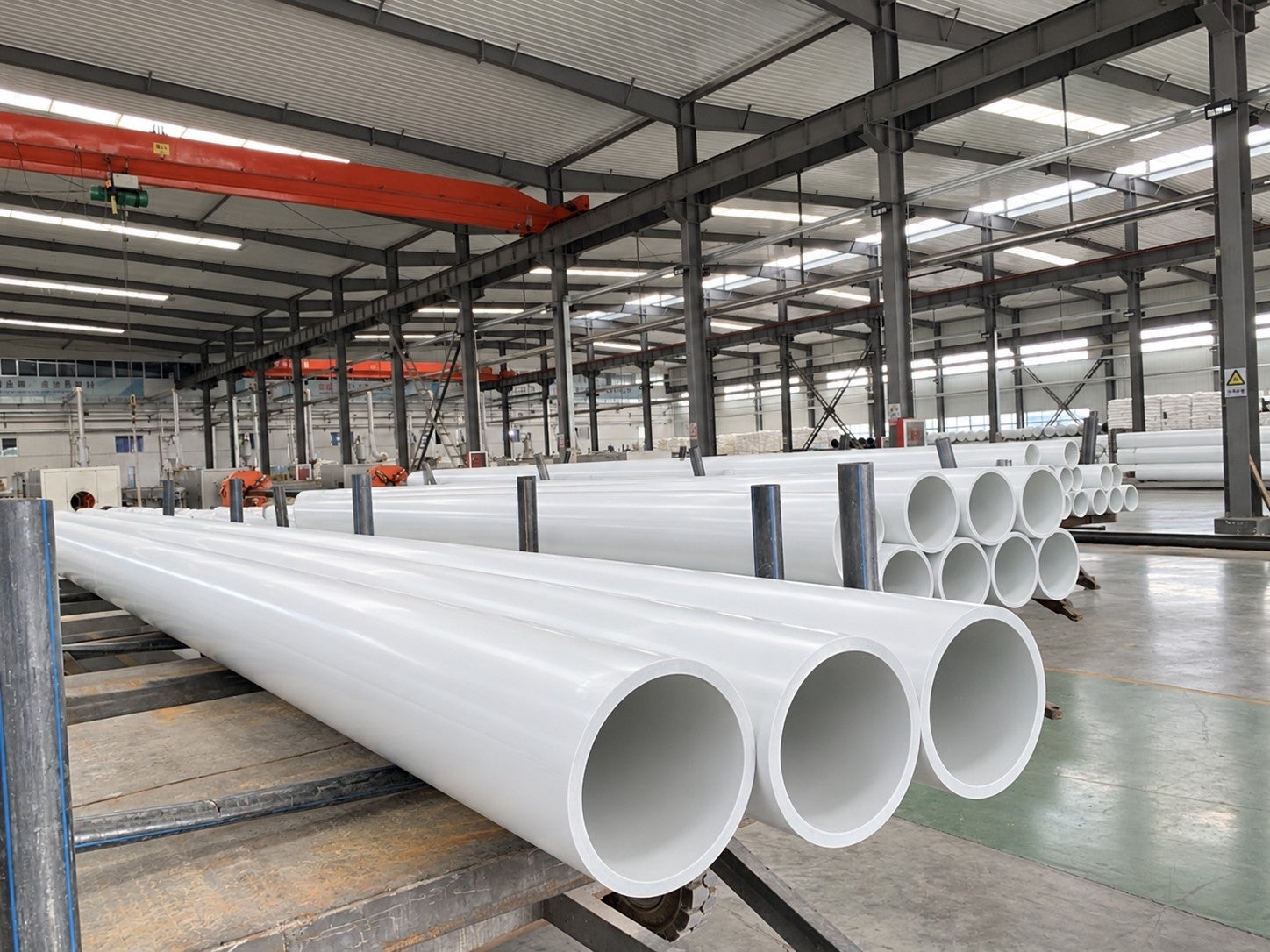
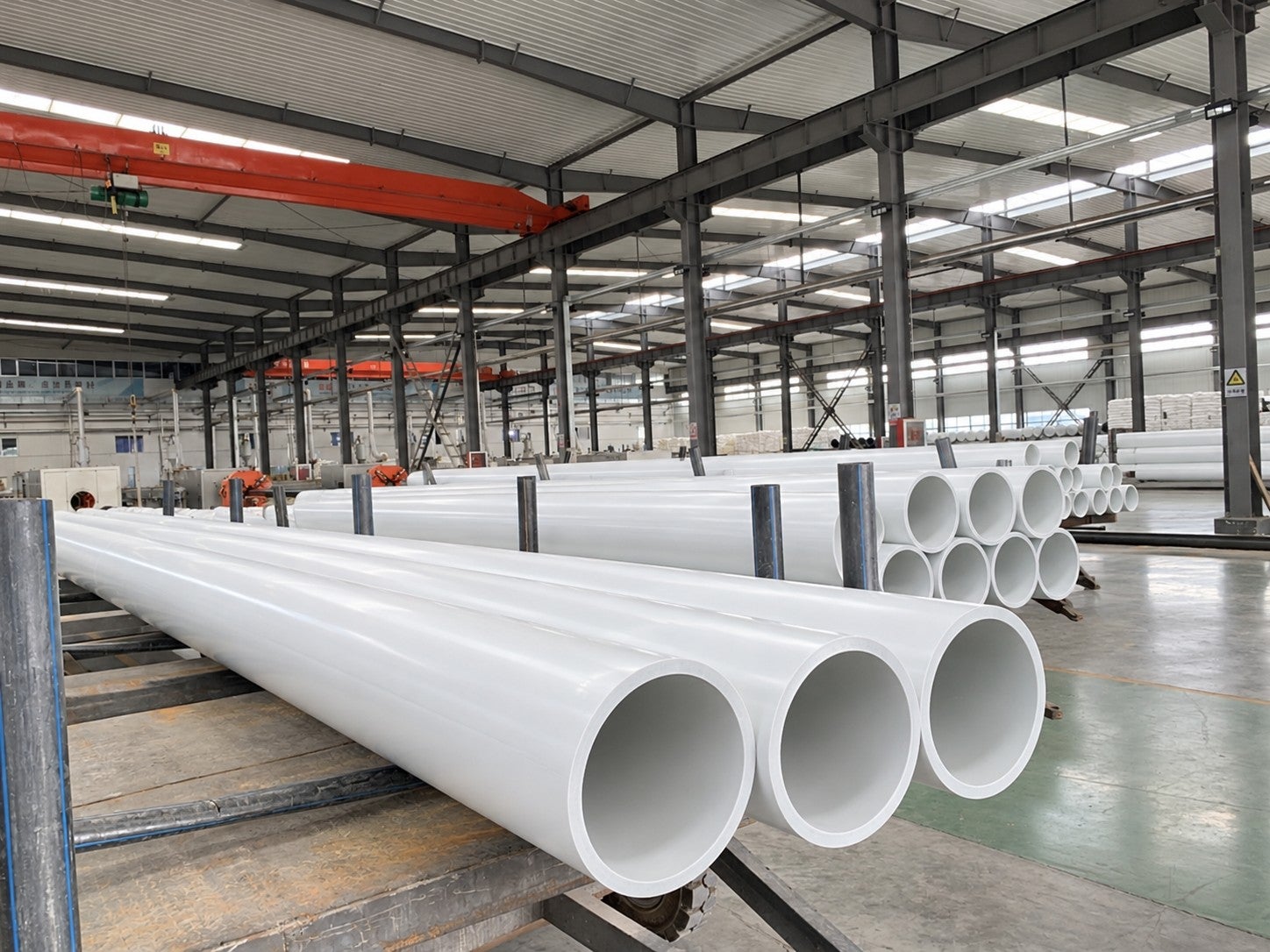
In Australia, we supplied double-layer co-extruded HDPE mining pipes for an open-pit operation. The white outer layer reduces solar heat gain on exposed lines, but the logistics challenge was volume and distance. Multiple ocean shipments of large-diameter pipes required precise packaging and container loading to maintain roundness and surface quality. By planning the loading sequence and using purpose-designed supports, the consignments arrived with minimal handling damage. Once cleared, inland transport under DDU arrangements delivered the pipe to the mine laydown area ready for installation. The result was a continuous supply that matched the construction schedule without costly re-ordering or on-site repairs.
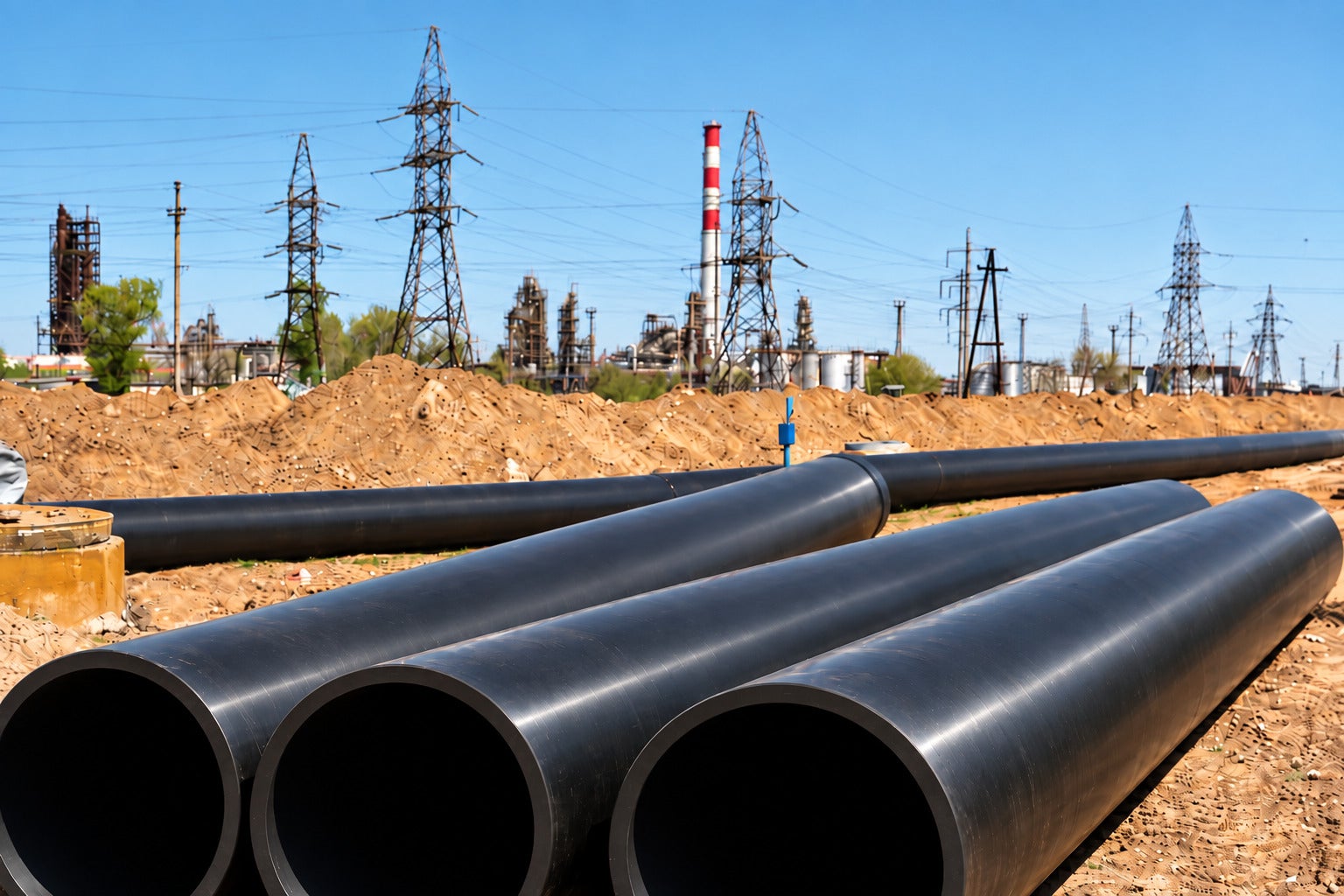
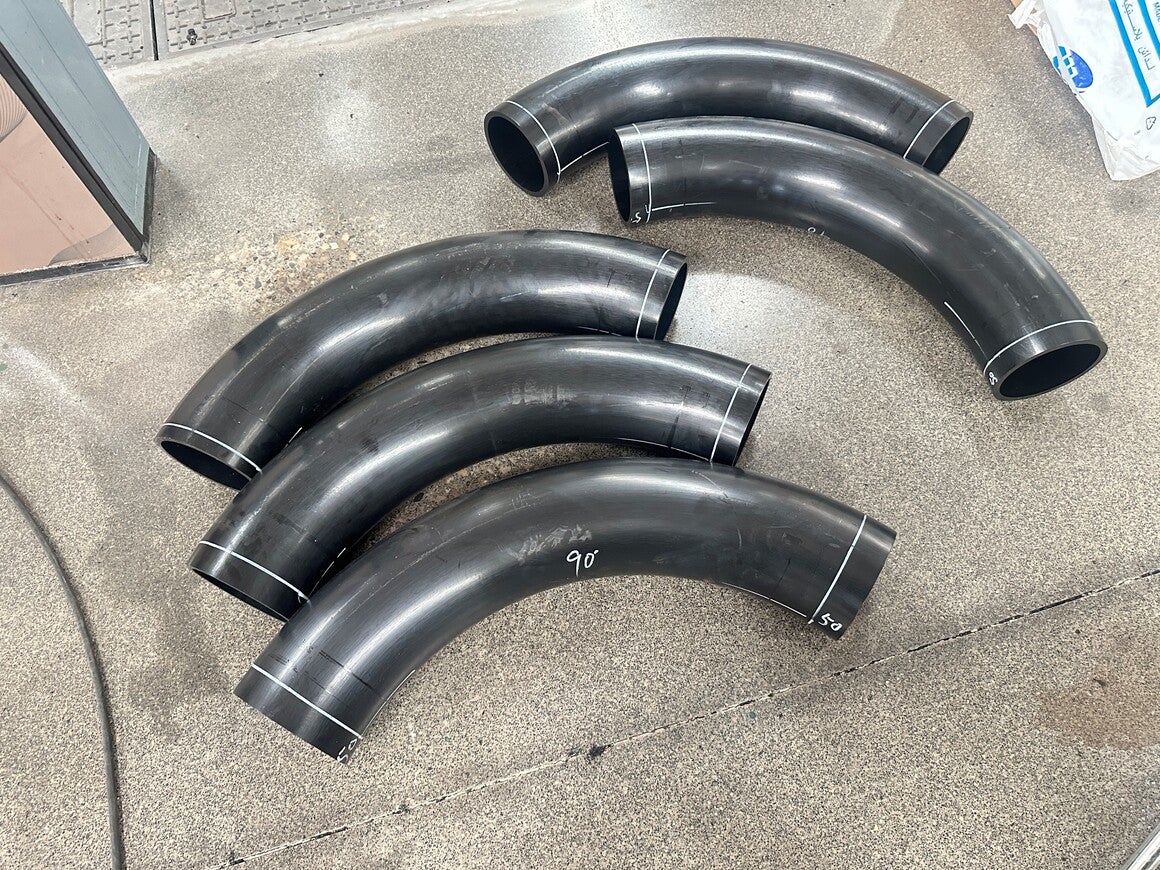
In Ecuador, we supported a mining pipeline project that combined process water and slurry lines. Port infrastructure and inland roads presented typical constraints of the region. Ocean freight was optimised through dense yet protective packing so that fewer containers were needed for the same tonnage. For a smaller urgent package of fittings, air freight with compact protective packaging closed a critical gap in the installation programme. DDU delivery coordinated the final road leg so that the mine team received the material at the agreed location with full documentation. Both the main ocean consignments and the air supplement arrived in good condition and ready for installation, allowing fusion welding and laying to proceed without unnecessary interruption.
These outcomes were not accidental. They followed from early discussion of packaging standards, loading plans, and delivery responsibilities at the same time as the technical specification was finalised.
Practical recommendations for procurement and project teams
When evaluating HDPE pipe suppliers for remote mines, ask specifically about:
- Packaging methods used for large-diameter and high-SDR pipe
- Experience with container or break-bulk loading for mining projects
- Documented DDU or similar delivery performance in comparable locations
- Ability to respond with air freight when schedules change
Requesting this information early allows logistics risk to be priced and mitigated before the purchase order is placed. It also creates a clear basis for measuring supplier performance once the project is under way.
Conclusion
Bulk HDPE pipe orders for remote mines succeed when packaging protects the product, ocean and air freight are planned for efficiency, and DDU delivery brings the material all the way to the point of use. The Australia and Ecuador projects show that these capabilities can be made reliable and repeatable.
If your project involves large volumes of HDPE pipe destined for a remote or logistically complex site, we are ready to discuss packaging options, freight approaches, and delivery terms that match your schedule and site conditions. Contact the Puhui Industry project team with your diameter, quantity, and destination details for a practical logistics proposal.
Website: https://www.phtopindustry.com/
LinkedIn: https://www.linkedin.com/company/puhui-pipeline-industry-co-ltd