


Maintaining underground conveyors is demanding. They can run for kilometres through hot, dry and dusty conditions, yet are expected to operate reliably year after year. Across North American potash operations, recurring problems include premature roller failure, belt slip during startup and missed inspections, which repeatedly pull maintenance teams away from planned work.
With limited staff and tight budgets, crews often replace the same rollers and idlers during successive shutdowns while deferring planned maintenance. However, you can break this cycle without a full conveyor redesign. It starts with identifying the recurring failures that consume the most labour and create the greatest production risk.
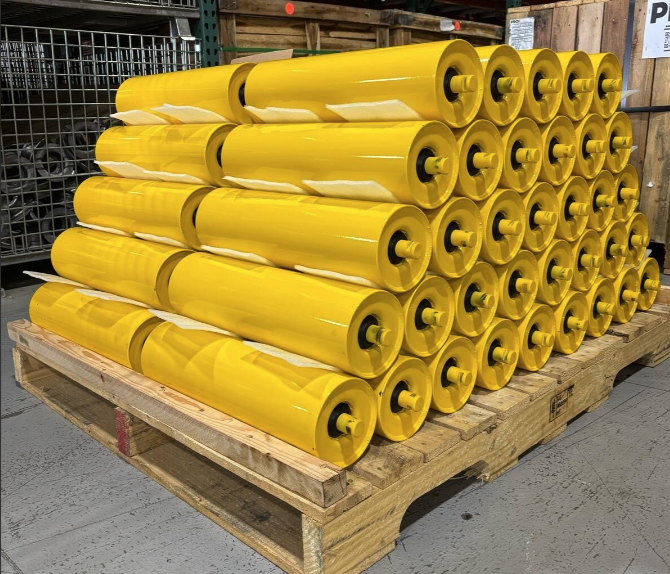
1. Keep out dust from rollers to keep belts running
In dry, dusty underground mines, such as potash, dust can enter roller bearings, accelerate wear and cause premature failure. Limited water use for dust suppression can make the problem worse, and while replacing a failed roller gets the conveyor running again, it does nothing to prevent the next failure.
If the same rollers keep failing, replacing them one by one won’t break the cycle. Instead, better quality seals and bearings can help keep dust out and reduce early failures. Paying more upfront may be worthwhile if it means fewer emergency repairs, less disruption to planned work and a lower risk of belt damage.
The cost of the ‘pizza cutter’ effect
The most serious consequences occur when failed rollers remain in service. Once a shell or flange is damaged, it can cut into the belt and create what is commonly known as the ‘pizza cutter’ effect. The resulting belt damage can be extensive, turning a relatively small roller failure into a more disruptive and expensive repair.
Many mines accept a certain level of belt downtime as normal. But that assumption deserves to be challenged. If roller failures are driven by dust ingress, and dust ingress can be engineered out with proper sealing, then that downtime is actually completely avoidable.
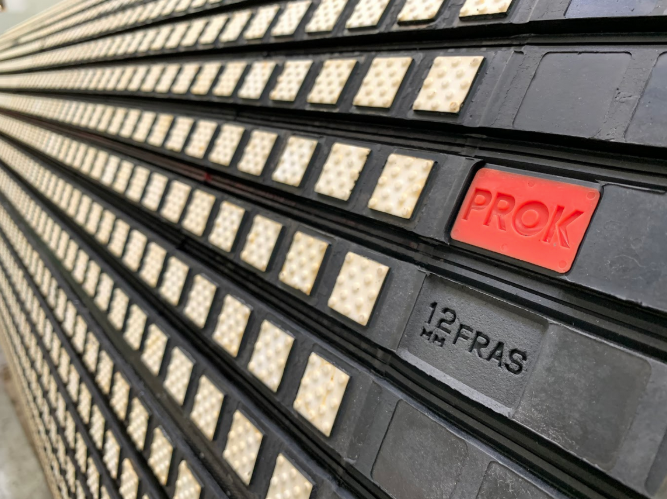
2. Use hot-vulcanised lagging to prevent belt slip and drive-system damage
Lagging helps the drive pulley grip and move the belt. Slide-on lagging may be quick to install, but if it wears or debonds, replacement can require a shutdown and several trades, delaying other planned work. In addition, when belt slip occurs, increasing tension is a common response. It may restore traction temporarily, but it can also push the conveyor outside its intended operating range. Excess tension increases stress across the drive and take-up system. The take-up is often one of the first areas to show the effects. For example, overloaded cluster cables can fail, leading to pressure loss and reduced take-up performance. A traction problem can then escalate into a wider drive-system failure. What began as a lagging issue becomes a problem involving belt tension, take-up performance and potentially the pulley or drive assembly.
Why hot-vulcanised lagging may be worth the investment
Hot-vulcanised lagging provides continuous contact across the pulley surface and can offer longer service life under demanding conditions. That can reduce both replacement frequency and the labour associated with pulley maintenance.
As service life depends on duty, belt tension, material selection, installation quality and operating conditions, comparative claims about service life can be supported by site data or supplier testing rather than treated as universal outcomes. The broader objective is to maintain reliable belt-to-pulley traction without relying on excessive tension. If the pulley grips the belt as intended, the conveyor can start more reliably, and the take-up system is less likely to be exposed to avoidable loads.
Choose lagging based on operating conditions, wear resistance and life-cycle cost. The best option is the one that provides reliable traction for the specific conveyor, not necessarily the most expensive.
3. Make time for inspections before small failures become critical
Small conveyor issues can go unnoticed when inspections are delayed or cursory, allowing failing rollers to damage belts and require larger repairs. Crews may then replace the same idlers during each shutdown without addressing the conditions causing repeated failures. Protecting time for inspections is difficult when urgent work is already consuming the maintenance schedule. However, identifying failing rollers early can reduce emergency callouts, narrow the scope of shutdown work and protect the belt from secondary damage.
Inspection effectiveness can also be improved through component selection. Rollers with visible wear indicators can help teams identify problems without relying on specialist assessment for every potential failure. For example, colour change in HDPE rollers can make wear areas easier to see during planned inspections. That visibility can help overstretched teams prioritise repairs before a small component problem becomes a belt or shutdown problem.
4. Calculate the real cost of downtime and repeat failures
Maintenance budgets are tight and workloads are heavy. Keeping familiar spares on hand and replacing rollers at regular intervals can therefore appear to be the most practical approach. The problem is that the total cost rarely appears on the parts invoice.
Every unplanned conveyor stoppage has a production cost. On high-priority belts, that cost can escalate quickly. Even a short outage can prevent substantial volumes of material from being moved during a shift. The cost also extends beyond lost tonnes. A breakdown can redirect maintenance personnel, mobilise equipment, delay planned work and require several teams to focus on recovering one conveyor.
A failure that begins with a single component can therefore become a broader operational disruption. The financial impact will vary by mine, conveyor criticality, production rate and duration of the outage. It should be calculated using site-specific data rather than a generic industry estimate.
A useful calculation includes:
- replacement components;
- labour and contractor costs;
- equipment mobilisation;
- lost production;
- secondary belt or drive-system damage;
- planned work deferred while the failure is repaired.
Once these costs are combined, the business case for preventive maintenance becomes clearer. A more durable component may cost more to purchase but still reduce the total cost of ownership if it lowers failure frequency and emergency intervention. Investing in components and maintenance practices that extend wear life and improve fault visibility can reduce emergency maintenance demand and support more consistent production.
If repeated failures are consuming lost tonnes and labour hours, the best opportunity may not be to replace components faster. It may be to prevent more of those failures in the first place.
Start treating repeat offenders now
Underground potash conveyor downtime often stems from the same recurring failures. Targeting those trouble spots can improve uptime without a full system redesign:
- seal rollers against the operating environment;
- select lagging for the conveyor’s actual duty and required service life;
- protect time for inspections before urgent work takes over; and
- calculate downtime using the full operational cost, not only the replacement-parts bill.
The most sustainable way to cut maintenance costs is to reduce repeat replacements. In underground potash operations, tackling recurring failures early can improve uptime and give crews more time for preventive maintenance.
