
Why Replace SRTP Slurry Pipelines with Solid-Wall HDPE Pipes and Fittings
In modern mining operations, slurry pipelines operate under some of the most demanding conditions in industrial fluid transport: extreme internal pressures, highly abrasive solids, corrosive chemical environments, and long continuous runs. For years, steel wire mesh skeleton-reinforced thermoplastic pipes (SRTP) were widely adopted as a composite solution that promised higher pressure ratings than pure plastic pipes while remaining lighter than traditional steel. However, accumulating field experience in high-pressure mine slurry applications has revealed serious limitations. Many operators are now actively replacing SRTP systems with solid-wall high-density polyethene (HDPE) pipes and fittings. This shift is driven by a clear priority: eliminating sudden failure modes and achieving genuine long-term system integrity.
The hidden risks of SRTP in extreme high-pressure mining service
SRTP consists of a plastic matrix reinforced by a steel wire mesh skeleton. While this construction delivers high short-term pressure capacity, it introduces three critical vulnerabilities under the harsh realities of mine slurry transport.
- Accelerated Corrosion of the Steel Reinforcement
Mine slurries frequently contain acidic or alkaline process water, chlorides, sulfides, and dissolved oxygen. Even minor imperfections or diffusion through the plastic layers allow corrosive media to reach the steel wire mesh. Once corrosion begins, the load-bearing capacity of the reinforcement declines rapidly. Unlike solid steel pipe, where corrosion is visible and measurable, the internal skeleton of SRTP can deteriorate unseen. The result is progressive loss of structural strength that is difficult to detect through routine inspection. - Risk of Sudden, Catastrophic Burst
As the steel wires corrode and lose cross-section, localised stress concentrations develop. Under high operating pressure, the pipe can fail abruptly with little or no prior warning. This “brittle” failure mode contrasts sharply with the more gradual, ductile behaviour of homogeneous plastic pipe. In a mine environment, a sudden burst can cause uncontrolled slurry release, environmental contamination, equipment damage, and significant safety risks to personnel. The economic impact—unplanned shutdowns, cleanup costs, and regulatory scrutiny—is often severe. - Difficulty of Reliable Field Repair
When localised damage or a burst occurs, repair options for SRTP are limited. Conventional pipe clamps struggle to create a secure, long-term seal because the internal steel mesh prevents uniform compression and load transfer. In many cases, operators are forced to cut out and replace entire sections rather than apply a simple clamp repair. This extends downtime and increases both material and labour costs, undermining the original economic rationale for selecting SRTP.
These three issues—corrosion, sudden burst potential, and poor repairability—compound one another. What begins as a cost-effective high-pressure solution can evolve into a high-risk, high-maintenance liability over the life of the mine.
The Case for Solid-Wall HDPE: Integrity and inherent safety
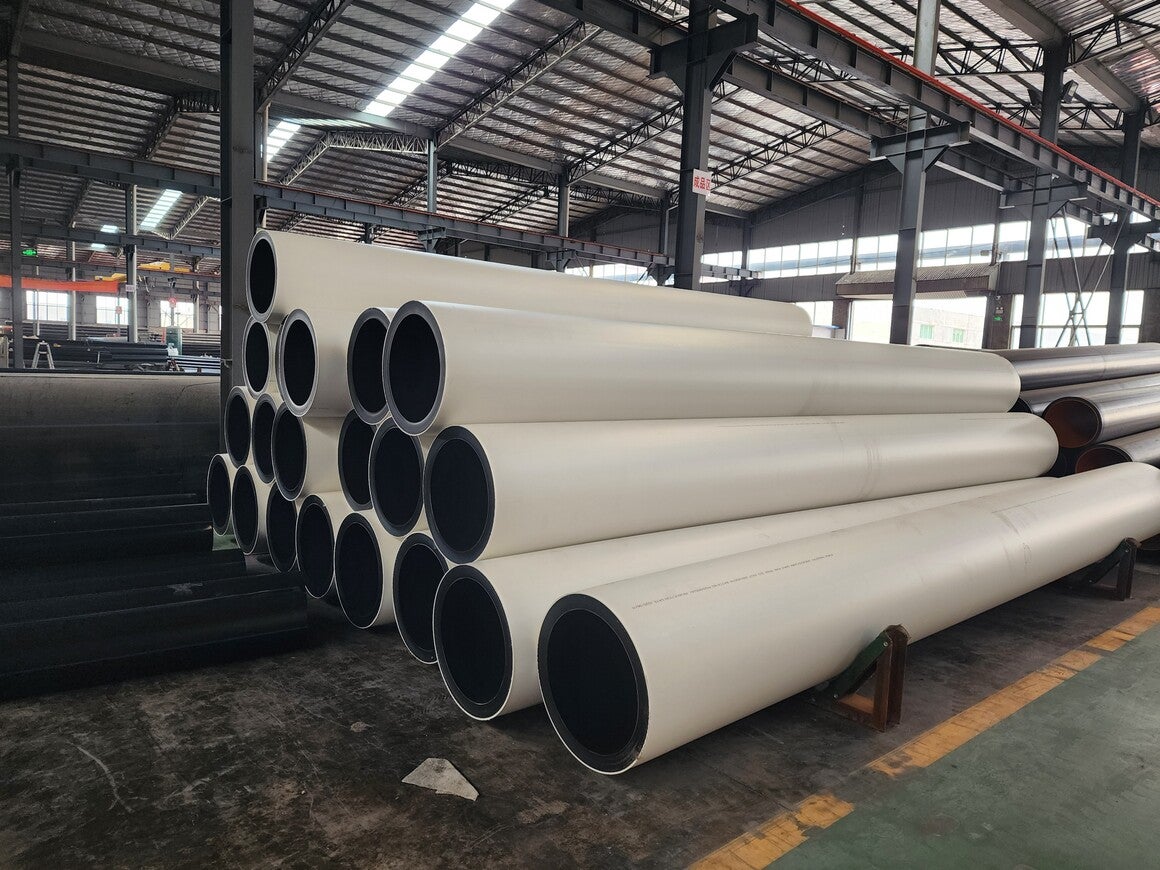
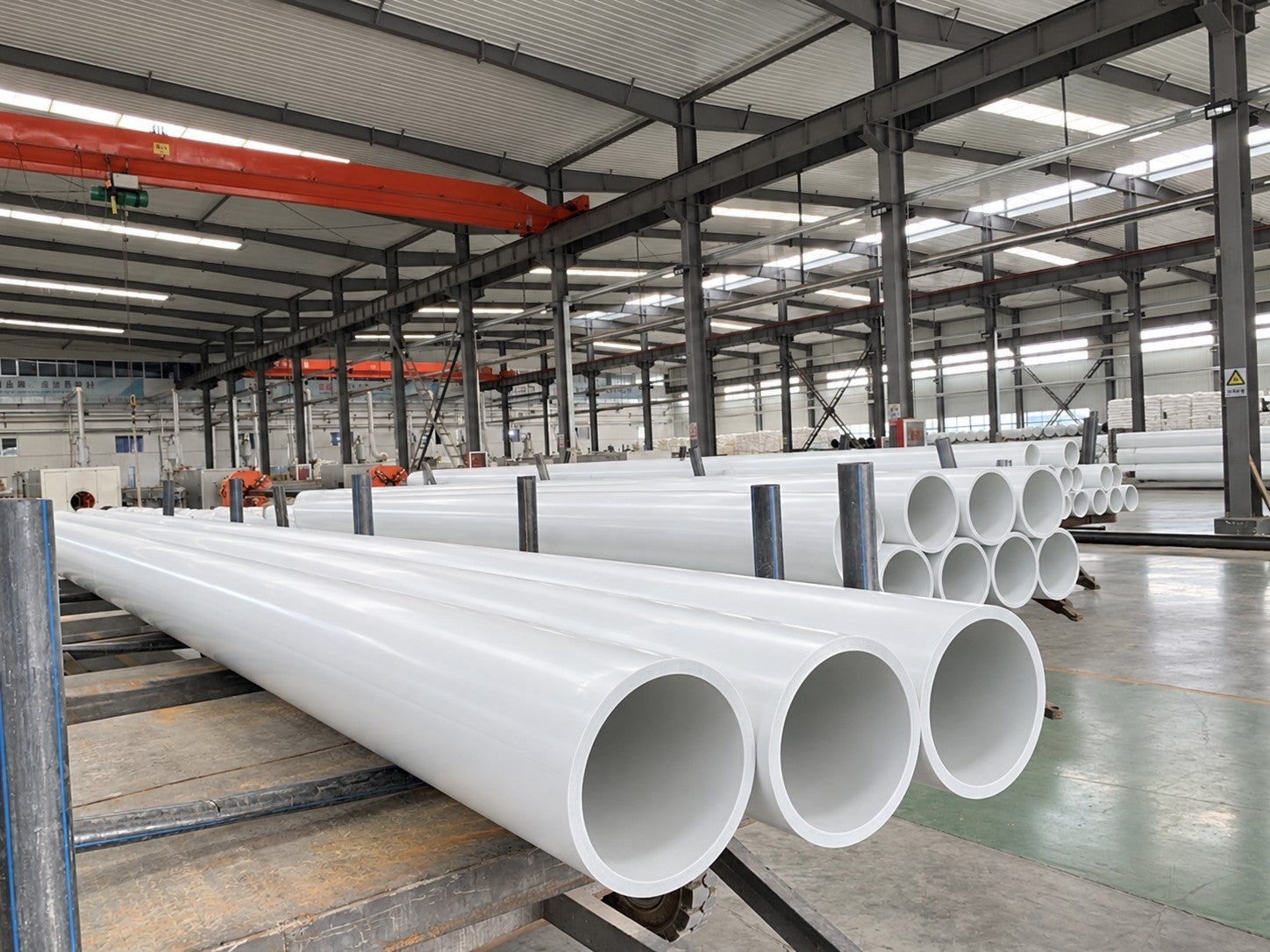
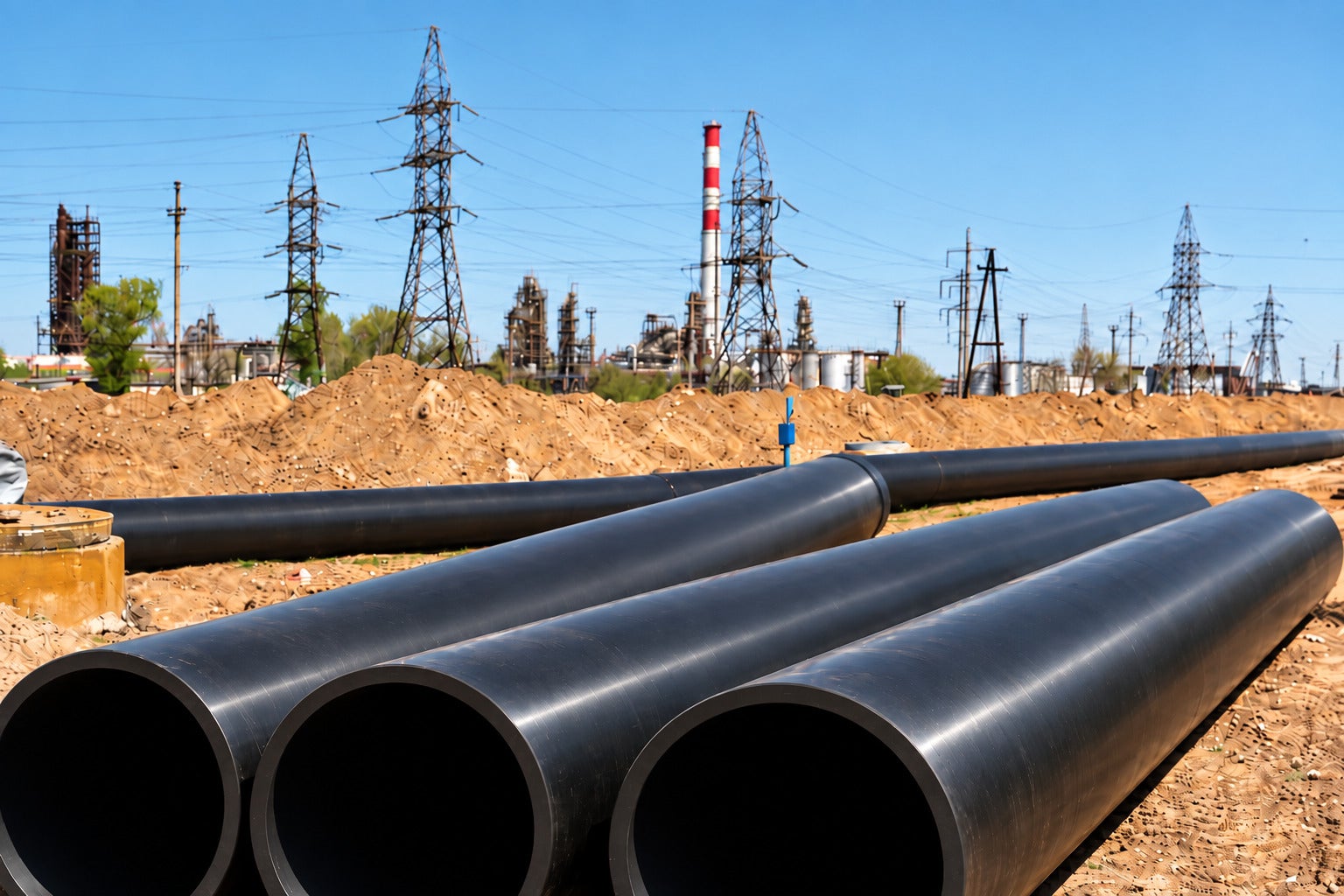
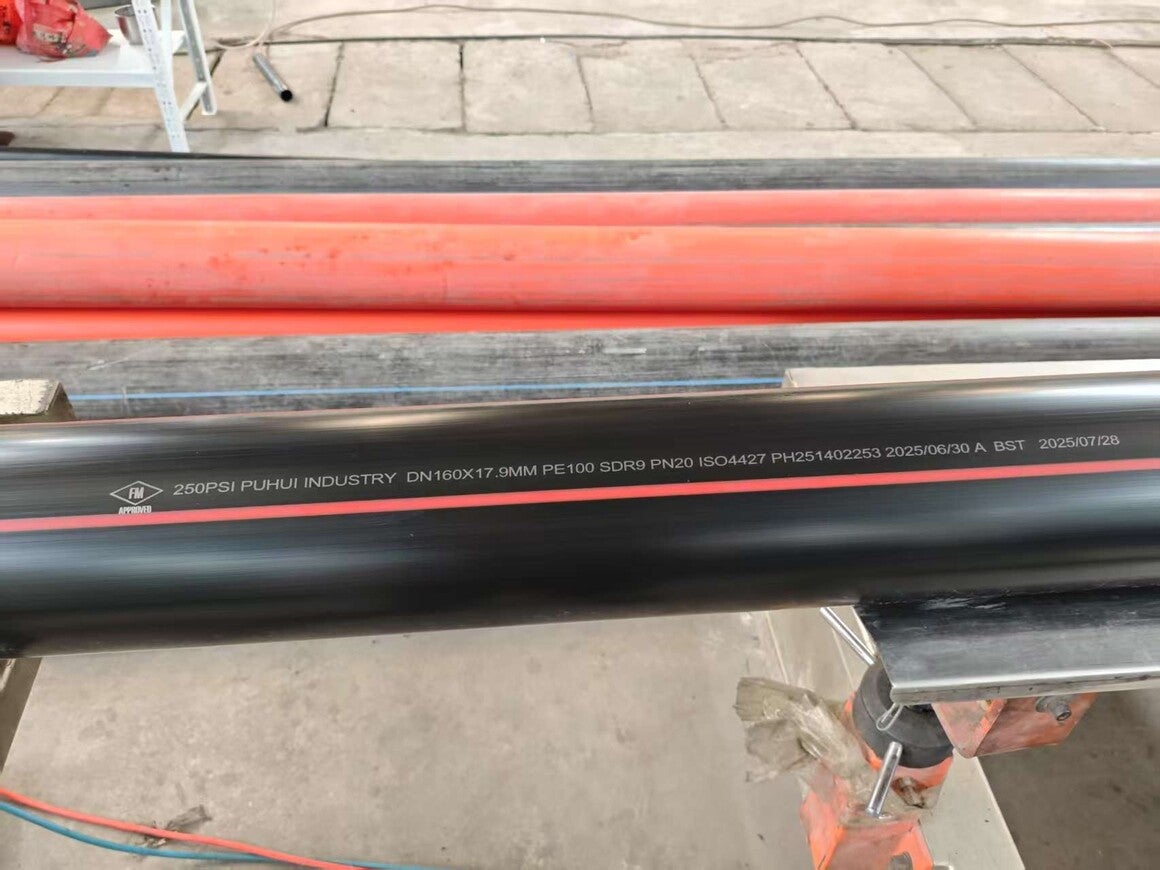
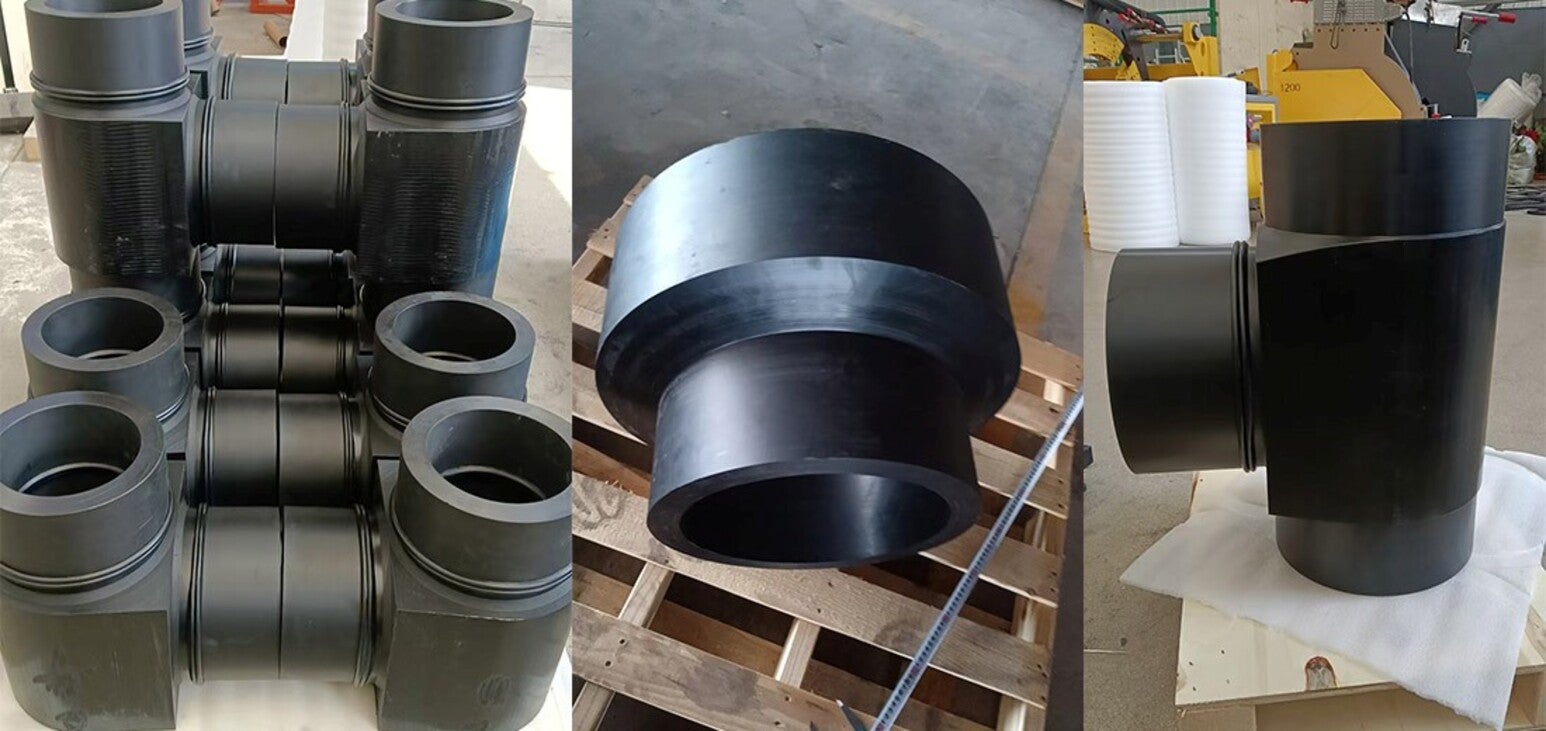
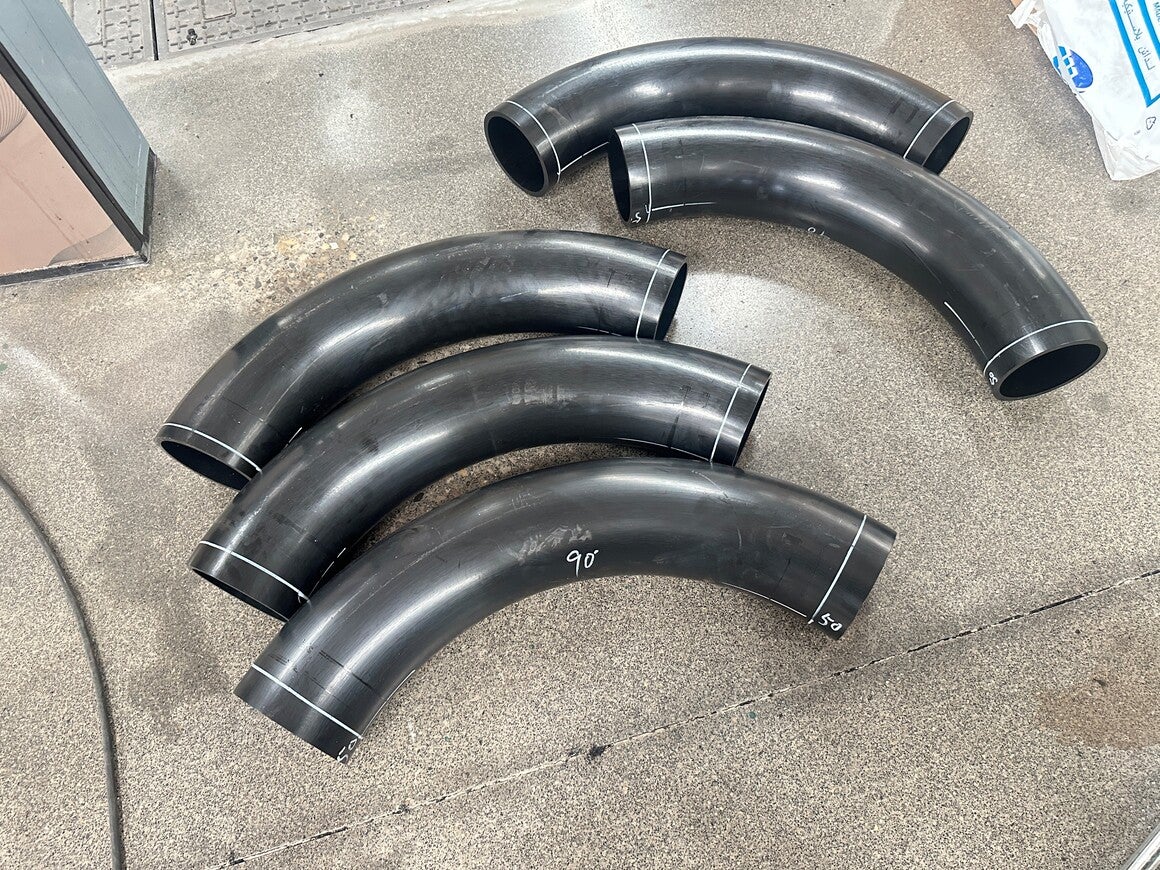
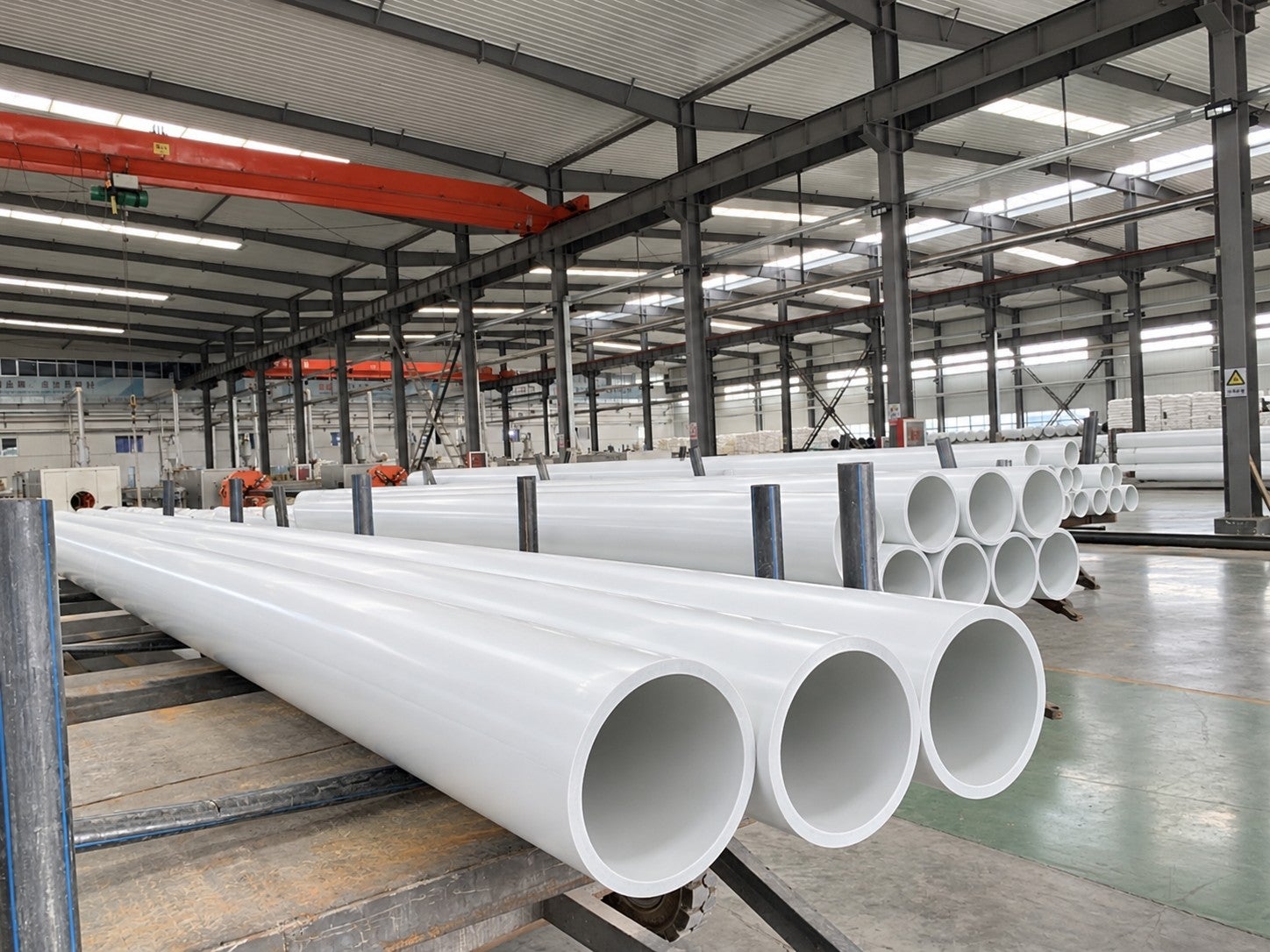
Solid-wall HDPE pipes manufactured to established standards (typically PE100 or PE100-RC materials) offer a fundamentally different approach. Because the pipe wall is homogeneous and contains no metal reinforcement, several inherent advantages emerge:
- Complete elimination of internal corrosion. There is no steel to rust. HDPE is highly resistant to the chemical environments commonly found in mine slurries, including dilute acids, alkalis, and saline process water.
- Predictable, non-catastrophic failure behaviour. When overstressed, solid-wall HDPE tends to deform or develop slow leaks rather than rupture violently. This gives operators valuable time to detect issues and intervene.
- True system integrity through fusion joining. Butt-fusion and electrofusion joints create continuous, leak-free pipelines with strength equal to or greater than the pipe itself. There are no mechanical joints that can loosen or become preferential corrosion sites.
- Practical and reliable field repairs. Standard clamp repairs, electrofusion saddles, and fusion patch techniques can be applied effectively because the pipe wall is uniform. Damaged sections can often be isolated and restored with minimal disruption.
- Excellent abrasion resistance and flexibility. HDPE’s toughness and ability to accommodate ground movement or thermal expansion make it well suited to the dynamic conditions of mining sites.
When evaluated on a full life-cycle basis—installation, operation, maintenance, risk of unplanned outages, and eventual replacement—solid-wall HDPE frequently demonstrates superior total cost of ownership compared with SRTP systems that require frequent intervention or premature replacement.
Moving toward inherent safety in mine slurry transport
The decision to replace SRTP with solid-wall HDPE is not merely a materials substitution; it represents a shift from a composite system that can hide progressive damage to a homogeneous system whose performance remains transparent and predictable. For new projects and major upgrades, specifying solid-wall HDPE pipes and fittings aligned with recognised international standards provides a clearer path to operational reliability and risk reduction.
Operators currently running SRTP slurry lines under high pressure should consider a structured risk assessment that examines corrosion potential, historical failure data, repair history, and residual pressure capacity. In many cases, proactive replacement of critical sections with solid-wall HDPE delivers both immediate safety gains and long-term operating advantages.
Take the next step
If your operation is evaluating slurry pipeline performance, reliability, or total cost of ownership, solid-wall HDPE systems deserve serious consideration. Visit our website to access detailed technical data, installation guidelines, abrasion and chemical resistance information, and case examples from high-pressure mining applications. Our team of pipeline specialists is ready to discuss your specific process conditions and help you determine whether a transition to solid-wall HDPE pipes and fittings can improve the safety and dependability of your slurry transport network.
Contact us today to request product literature, arrange a technical consultation, or review suitable pipe grades and jointing methods for your next project.
Website: https://www.phtopindustry.com/
LinkedIn: https://www.linkedin.com/company/puhui-pipeline-industry-co-ltd