
HDPE Mining Piping System for Sub-Zero Temperatures and High-Altitude in the Andes
Mining operations in the Andes of Peru, Chile and neighbouring countries routinely face some of the most demanding environmental conditions on earth. Many sites sit at elevations of 3,000m to 5,000m or higher, where night-time temperatures regularly drop below freezing, diurnal swings of 20°C–30°C are common, ultraviolet radiation is intense, atmospheric pressure is reduced, and seismic activity plus ground settlement are constant realities. In this setting, piping systems must remain leak-free and structurally sound year after year. High-quality, internationally certified HDPE piping systems have proven well suited to these challenges. Puhui Industry, a global supplier of HDPE pipes and fittings for mining applications, manufactures systems specifically engineered and verified for high-altitude and sub-zero service.
The specific demands of sub-zero and high-altitude conditions
Sub-zero temperatures reduce the ductility of many conventional materials, increasing the risk of brittle fracture under impact or pressure surge. Freeze–thaw cycles can generate internal stresses if water is present, while large temperature swings cause repeated expansion and contraction that stress joints and supports. At high altitude, the same pipelines must also resist intense UV exposure, accommodate differential settlement on steep or unstable ground, and survive seismic events without losing integrity. Rigid materials such as steel, PVC or concrete often require extensive mitigation—thicker walls, additional supports, special coatings or frequent joint inspection—yet still suffer corrosion, cracking or leakage. Logistics compound the problem: every kilogram of pipe and every site visit carries a premium cost in remote Andean locations.
How certified HDPE delivers freeze resistance and low-temperature toughness
Modern PE100 and PE100-RC resins possess a low glass-transition temperature, allowing the material to remain ductile well below 0 °C—typically retaining useful toughness down to –40 °C or lower when properly formulated and manufactured. Impact strength is retained, and the risk of rapid crack propagation is minimised when the pipe meets recognised material and production standards. Should water freeze inside a properly designed HDPE line, the pipe’s inherent flexibility permits controlled expansion that significantly reduces the likelihood of catastrophic bursting compared with rigid alternatives. Carbon-black stabilisation provides long-term resistance to the intense ultraviolet radiation experienced at high altitude.
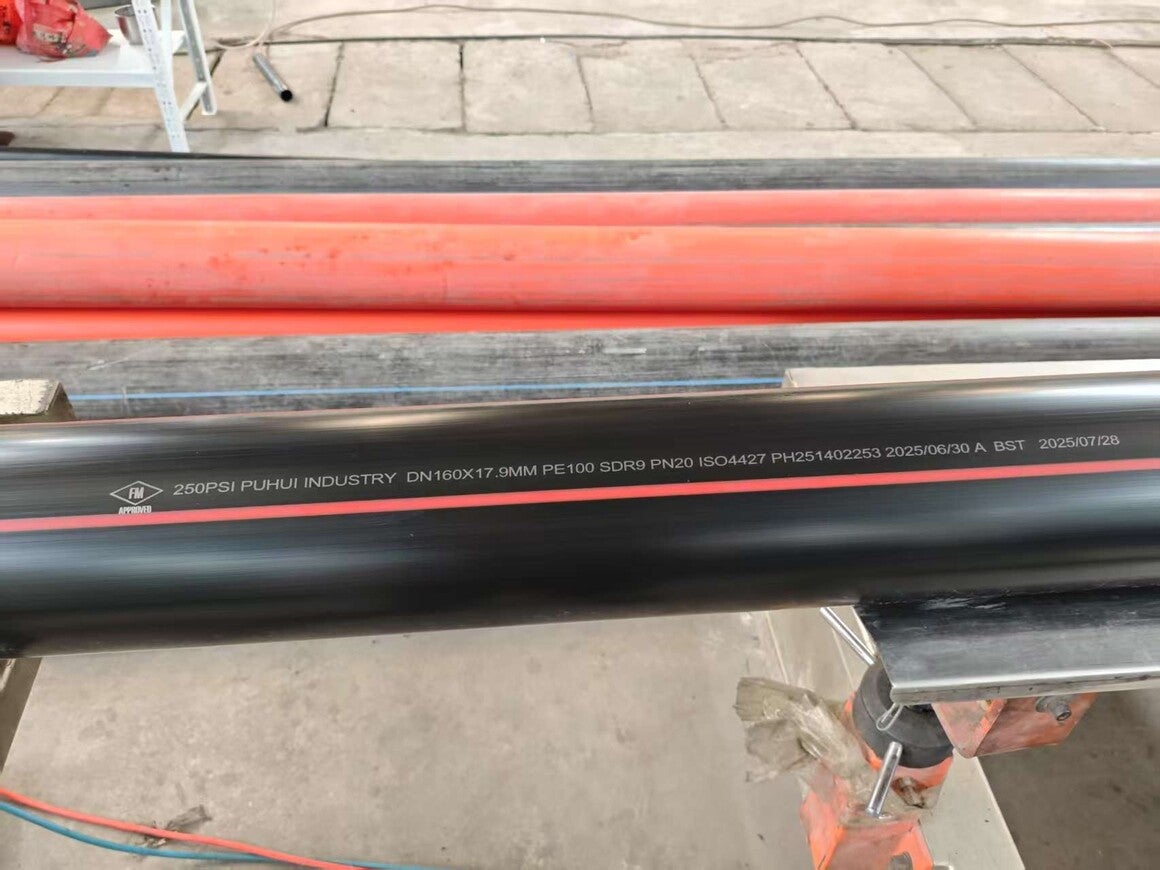
Certification is essential to confirm that these properties are consistently achieved. Puhui Industry’s HDPE pipes and fittings have obtained multiple international approvals, including FM 1613, NSF 61, BV, AENOR and CE, in addition to compliance with ISO 4427, ASTM F714, ASTM D3350, AWWA C906, AWWA C901 and related hydrostatic design bases. These certifications provide independent verification of material quality, manufacturing control and long-term performance under demanding temperature and pressure conditions—giving project engineers documented assurance when specifying systems for Andean service.
Flexibility as a critical advantage in mountainous terrain
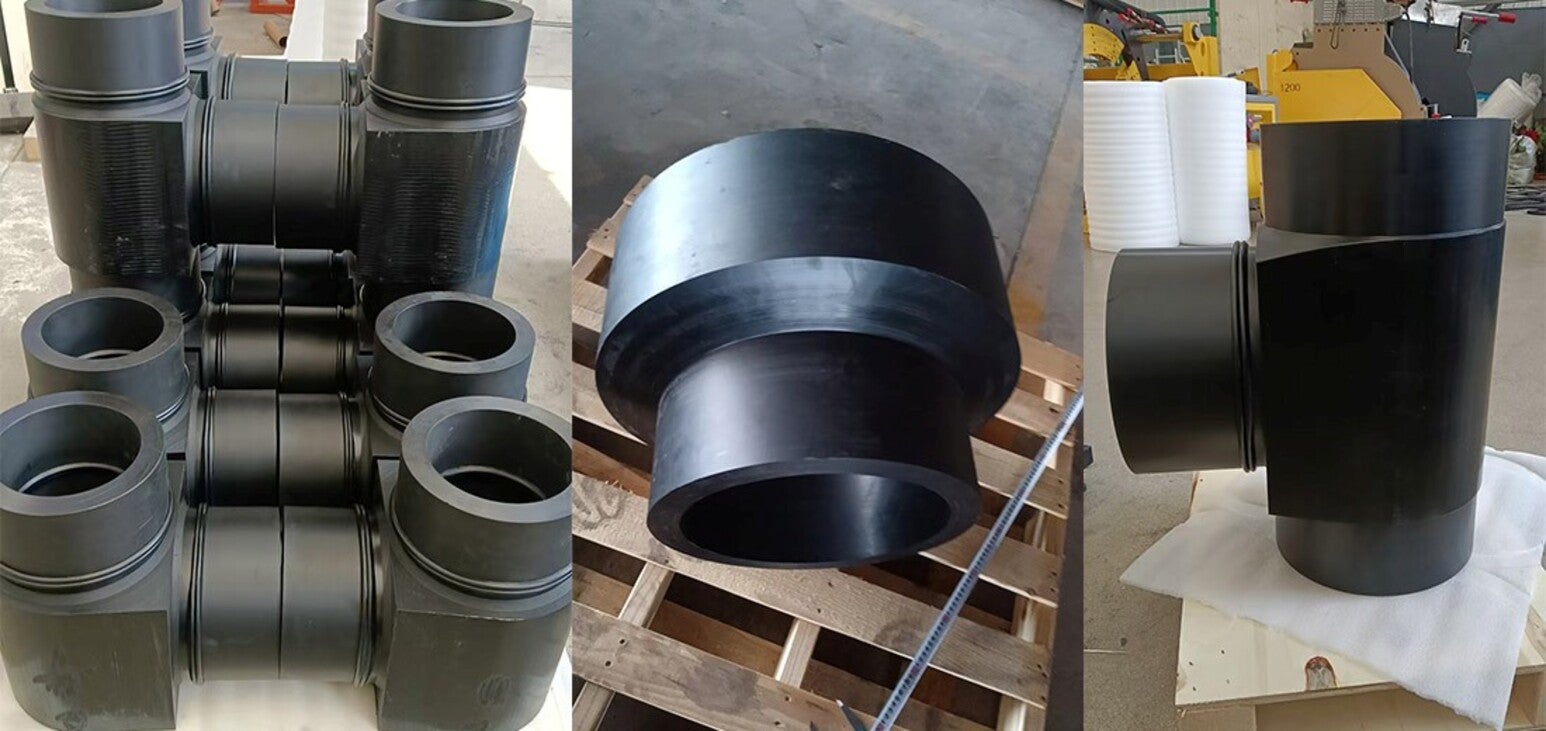
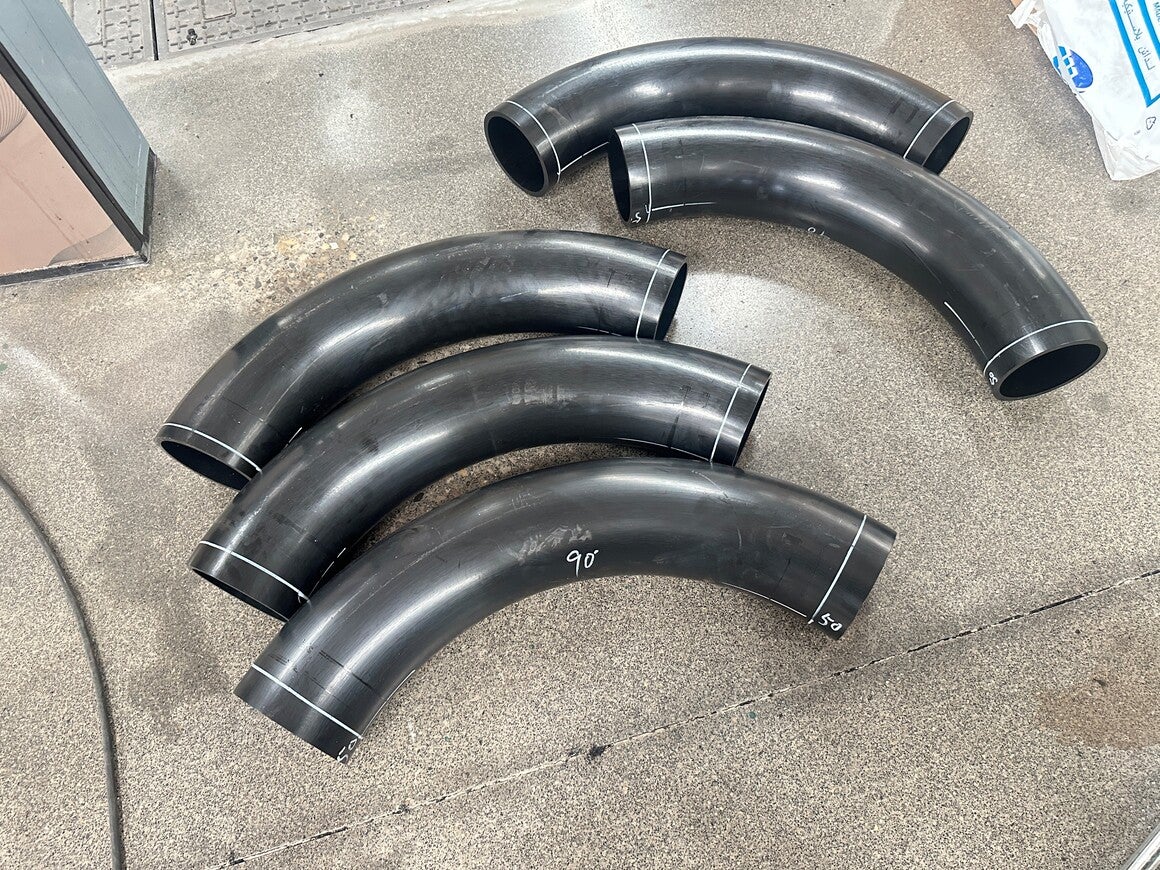
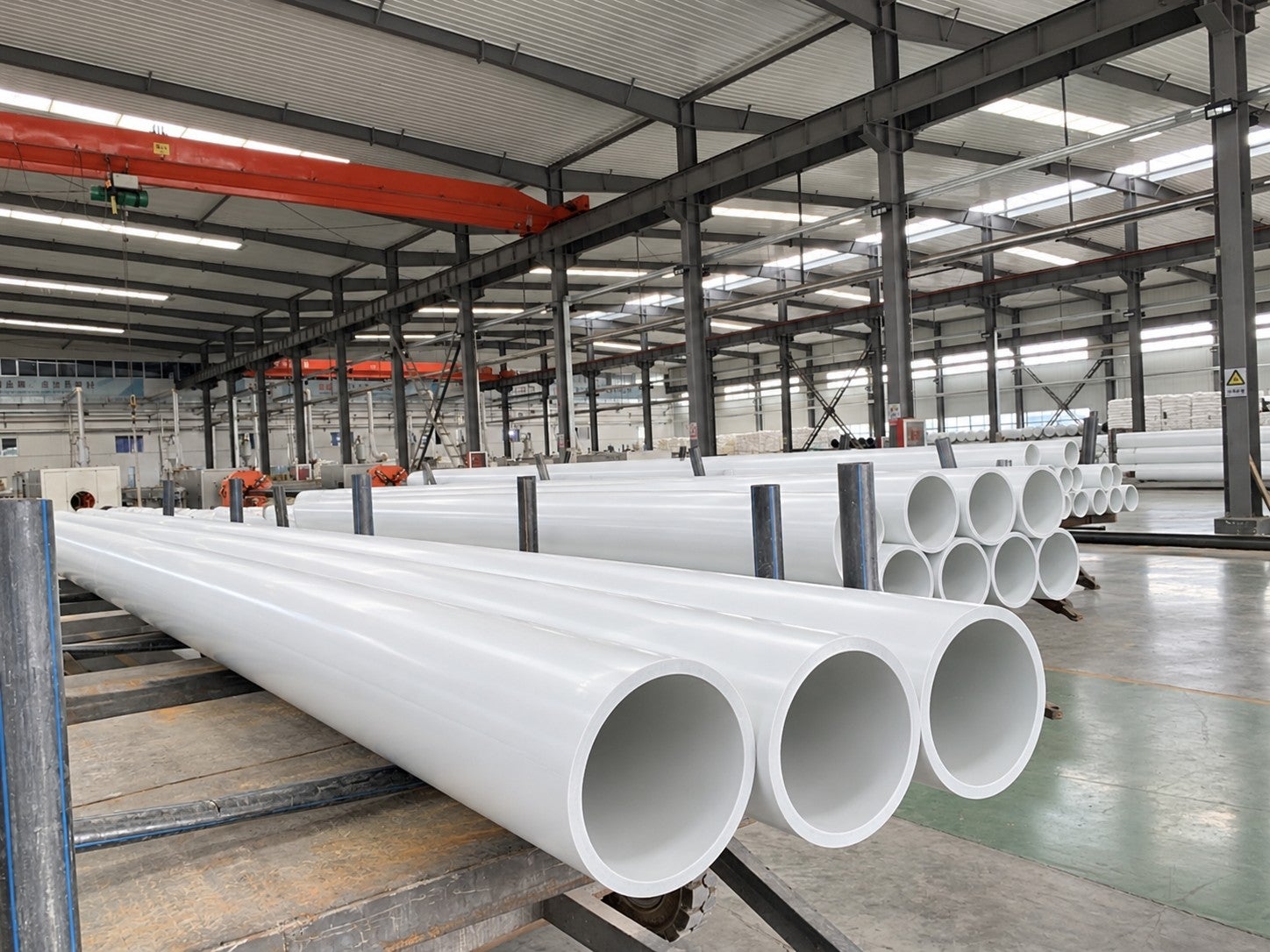
Beyond low-temperature toughness, the flexibility of HDPE is a decisive operational advantage. The pipe can accommodate ground settlement, seismic movement and thermal expansion or contraction without generating excessive stress at joints or supports. This characteristic is especially valuable on steep slopes, rocky alignments and areas of differential settlement common around high-altitude tailings facilities and process plants. Lightweight construction and the availability of long pipe lengths further simplify transport and installation in locations where road access is limited, and crane capacity is constrained. Heat-fusion joints—butt fusion for larger diameters and electrofusion for fittings—create continuous, homogeneous pipelines that remain leak-free even under repeated thermal cycling.
Real-world relevance to South American mining projects
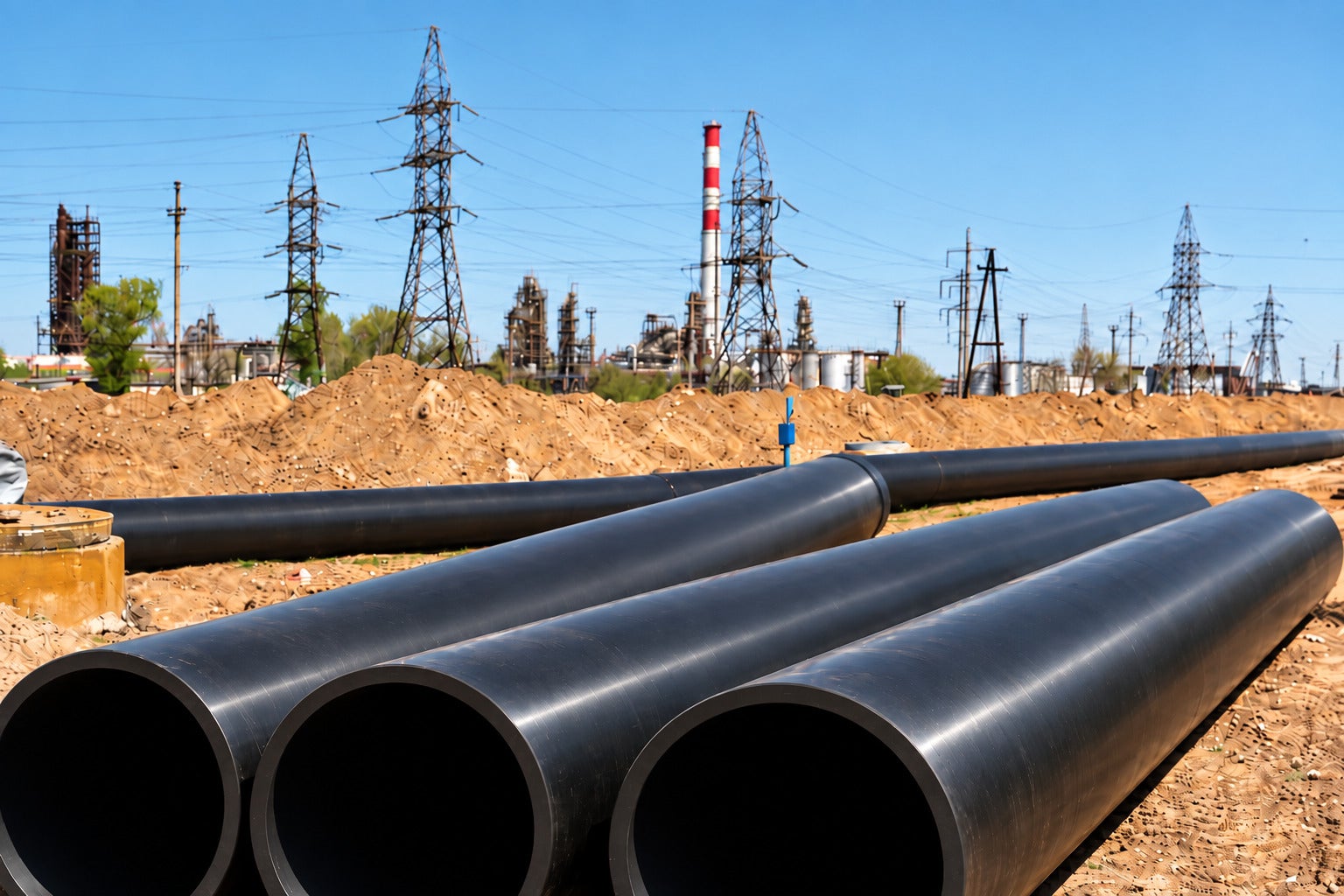
In Andean copper, gold and iron-ore operations, HDPE systems are routinely specified for process water, slurry and tailings transport, mine dewatering, dust suppression and reclaim-water circuits. Regional experience has shown that the combination of freeze resistance, flexibility and corrosion immunity translates into longer maintenance intervals and reduced risk of environmental release. Puhui Industry has supplied certified HDPE piping systems to mining projects across multiple continents, including high-altitude sites in South America, supporting operators with material selection matched to local pressure profiles, temperature ranges and terrain constraints.
Practical design, installation and operational guidelines
Successful application begins with correct specification. Designers must evaluate steady-state and transient pressures, expected temperature extremes, slurry abrasivity and required service life when selecting diameter, SDR and resin grade (PE100 or PE100-RC). Temperature derating of pressure ratings must be applied according to recognised standards. Installation in cold weather requires disciplined fusion procedures: sheltering the work area, pre-heating pipe ends when necessary, and extending heating times to achieve proper melt. Adequate support spacing, protection against UV and mechanical damage during handling, and provision for thermal movement complete the design package. Once in service, routine monitoring of pressure, flow and visual condition, together with periodic integrity checks, helps maintain the zero-leak performance expected of a certified system.
Conclusion
The Andes impose a unique combination of sub-zero temperatures, intense UV, seismic loading and logistical difficulty on every metre of pipeline. Certified HDPE piping systems address these challenges through inherent freeze resistance, retained ductility at low temperatures, and the flexibility needed to absorb ground movement without compromising joint integrity. When manufactured under rigorous quality systems and backed by independent international certifications, these pipes provide a practical, long-life solution for high-altitude mining infrastructure.
To specify certified HDPE piping systems engineered for sub-zero temperatures and high-altitude conditions, contact Puhui Industry. Our FM 1613, NSF 61, BV, AENOR and CE certified HDPE pipes and fittings are ready to support your harsh-environment, low-temperature and high-pressure mining projects. Visit www.phtopindustry.com or reach our engineering team for technical data sheets, project references and tailored recommendations
Website: https://www.phtopindustry.com/
LinkedIn: https://www.linkedin.com/company/puhui-pipeline-industry-co-ltd