Biomechanical design ed s afety footwear reduces workers self -rated leg fatigue
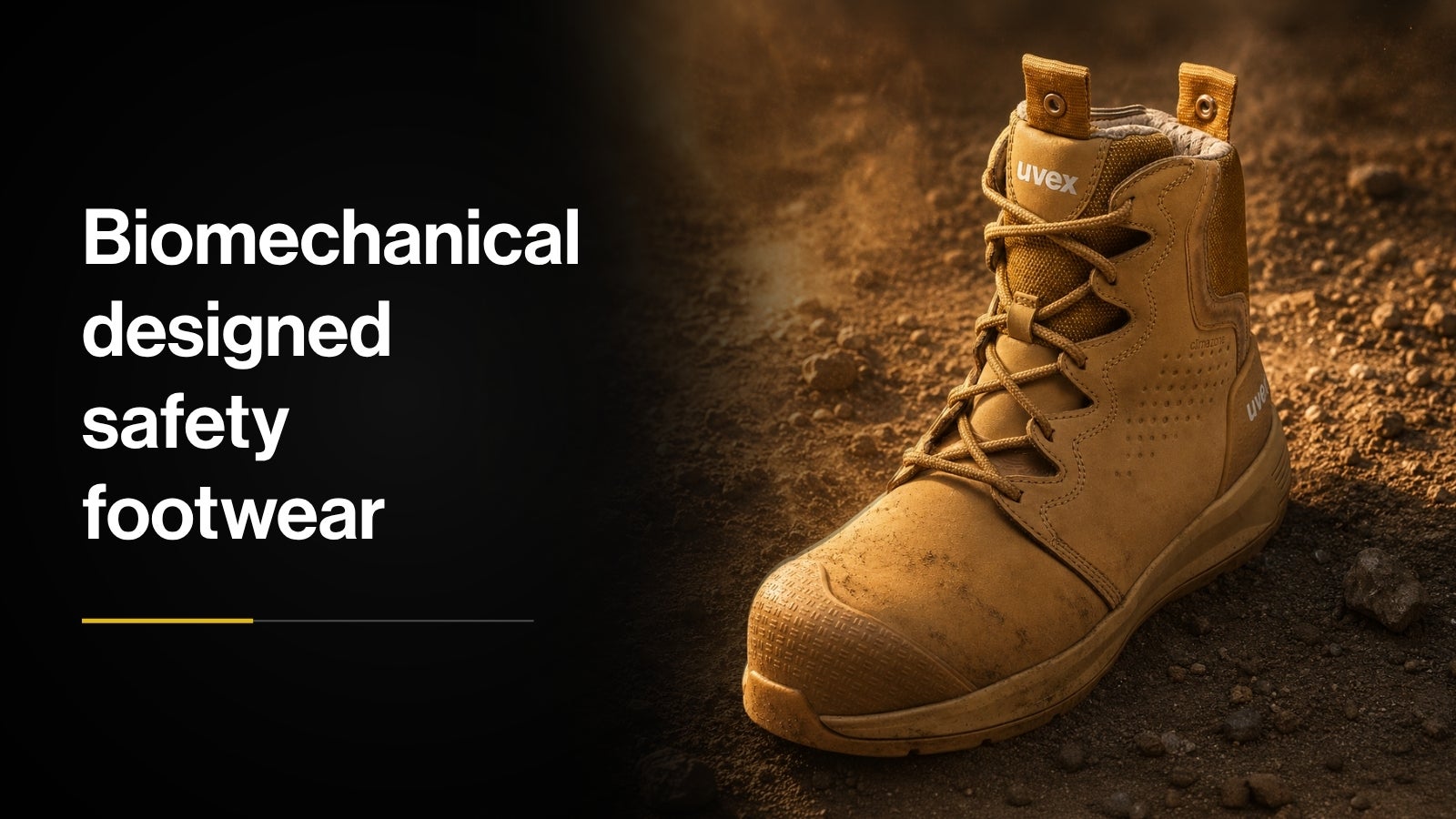
Aim: Workplace fatigue is a significant hazard with 68% of 407 manufacturing workers suffering from lower limb fatigue. Safety footwear is worn to protect against traumatic foot injuries. However, poor safety footwear design can be a significant contributor to workplace fatigue due to weight, rigidity, and cushioning . Safety footwear is often designed on traditional principles that do not consider the biomechanical function of the body. This study investigated how a style of safety footwear designed on biomecha nical principles compares to workers existing footwear on perceived leg fatigue at work.
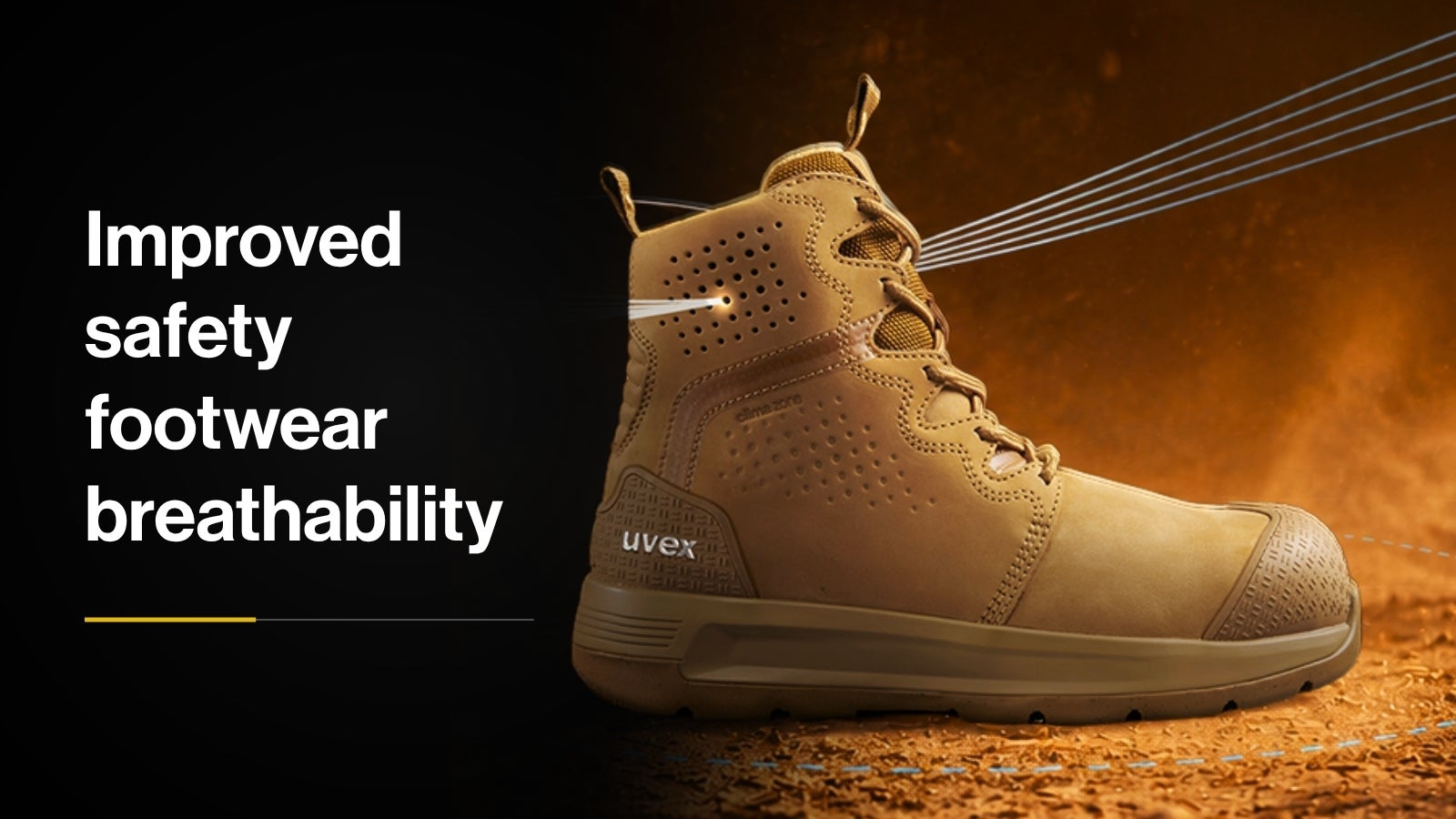
Methods: A style designed on biomechanical principles to address work ers perceived fatigue at
work (uvex x -flow, UVEX Arbeitsschutz GmbH, Furth Germany ) was compared to workers existing
footwear after a four -week wear trial . The uvex x -flow sole geometry is based on roll over angles ,
has a flexible upper design and a midsole cushioning foam with high energy return capacit y. The
uvex x -flow uses a polyurethane foam c alled uvex i-PUREnrj that returns 61% and 54 % of the
applied energy in the heel and forefoot respectively. 2 Ninety six (96) male and thirteen (13) female
workers in Australia completed a digital 10-point analogue scale questionnaire on leg fatigue,
footwear weight, cushioning, ride and flexibility on their existing safety footwear and the n the uvex
x -flow footwear after a 4 -week wear trial . End points were labelled as “most fatigued imaginable ”
and “not fatigued at all”. Statistical significance was assessed with a pa ired sample T -T est.
Stepwise multiple regression analysis was used to assess correlations to change in perceived leg
fatigue.