

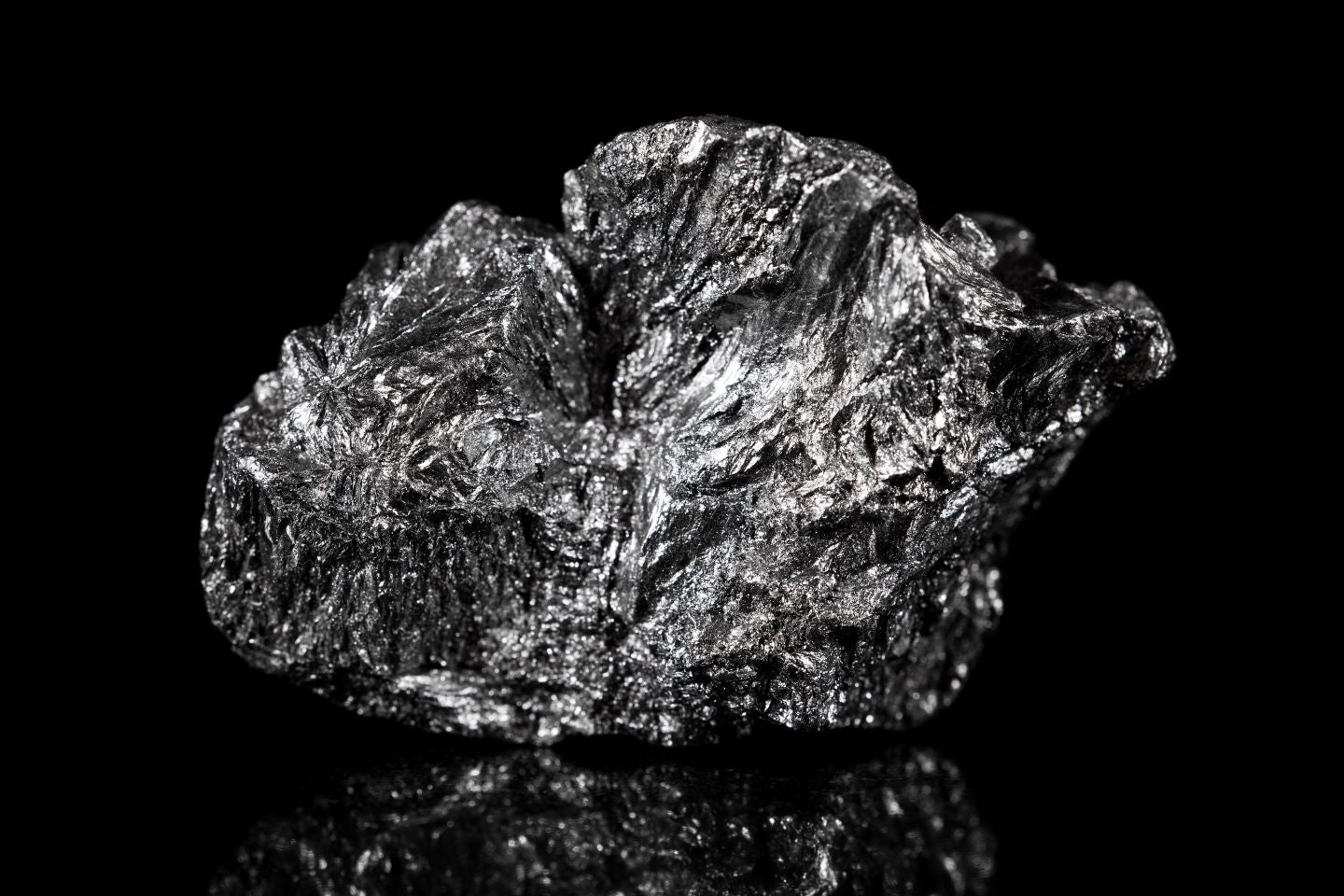
Global natural graphite production is estimated to have increased by 9.6% to 1.70 million tonnes (mt) in 2025, but the more important shift was structural rather than numerical. Supply growth was increasingly led by African producers, indicating that the graphite market is beginning to move away from a highly concentrated production base toward a broader and more diversified supply structure. Mine restarts, project ramp-ups, and improving operating performance in Mozambique, Tanzania, and Madagascar were the key drivers of this change.
Mozambique led the expansion in 2025, reasserting itself as the world’s second-largest natural graphite producer by overtaking Brazil and Madagascar. The recovery was driven mainly by the restart of Syrah’s Balama mine in June 2025, supported by better recovery rates, improved product quality, and uninterrupted operating campaigns. Tanzania also recorded a strong increase, with output nearly doubling to 41,200kt from 24,600t in 2024 as the Lindi Jumbo project ramped up further. Madagascar added to this momentum through stronger output from the Molo project and the restart of production at Vatomina in February 2025.
Access deeper industry intelligence
Experience unmatched clarity with a single platform that combines unique data, AI, and human expertise.
This momentum is expected to continue in 2026, with global natural graphite production projected to rise by a further 25.1% to 2.12mt. However, the next phase of growth is likely to be broader-based than in 2025. Mozambique is expected to remain the main contributor as Balama and Nipepe continue ramping up while China is projected to recover after a broadly flat 2025, supported by the commissioning of China Minmetals’ Yunshan mine and steady output from existing operations. Madagascar is also expected to increase its contribution as Molo and Vatomina improve utilisation and operating performance.
An important feature of the 2026 outlook is that policy and investment conditions are beginning to matter as much as mine-level ramp-ups. Madagascar’s decision in January 2026 to lift its 16-year moratorium on new mining permits for most minerals could support the next phase of graphite project development by improving investor confidence and accelerating approvals. Tanzania is also expected to maintain growth, although its longer-term trajectory remains closely linked to execution, financing, and the strategic priorities of foreign project owners. This is particularly relevant in a sector where several key Tanzanian graphite developments are owned or backed by Australian companies.
Over the forecast period, global natural graphite production is expected to grow at a CAGR of 9.8% to reach 4.9mt. The central theme of this expansion is likely to be supply diversification. Growth will increasingly come from new projects and expansions outside the traditional core of supply, particularly in Africa, where resource quality, new project pipelines, and foreign investment continue to support development. As a result, rising output from Tanzania, Mozambique, Madagascar, Canada, and Australia is expected to gradually reshape the global market.
By 2035, the graphite industry is likely to look materially different from today. China is expected to remain the largest producer, but its share of global output is projected to decline from 74.9% in 2025 to 29.6% in 2035, pointing to a gradual easing of single-country dominance. Mozambique is expected to retain its position as the second-largest producer, though its share may soften slightly as new suppliers expand faster. Tanzania is projected to record one of the strongest gains, with its share rising from 2.4% in 2025 to 18.5% by 2035, reflecting both the ramp-up of existing projects and its growing relevance to EV battery material supply chains. Canada and Australia are also expected to strengthen their presence as non-Chinese supply chains attract more investment while Madagascar is likely to retain a meaningful role in future supply growth.


