
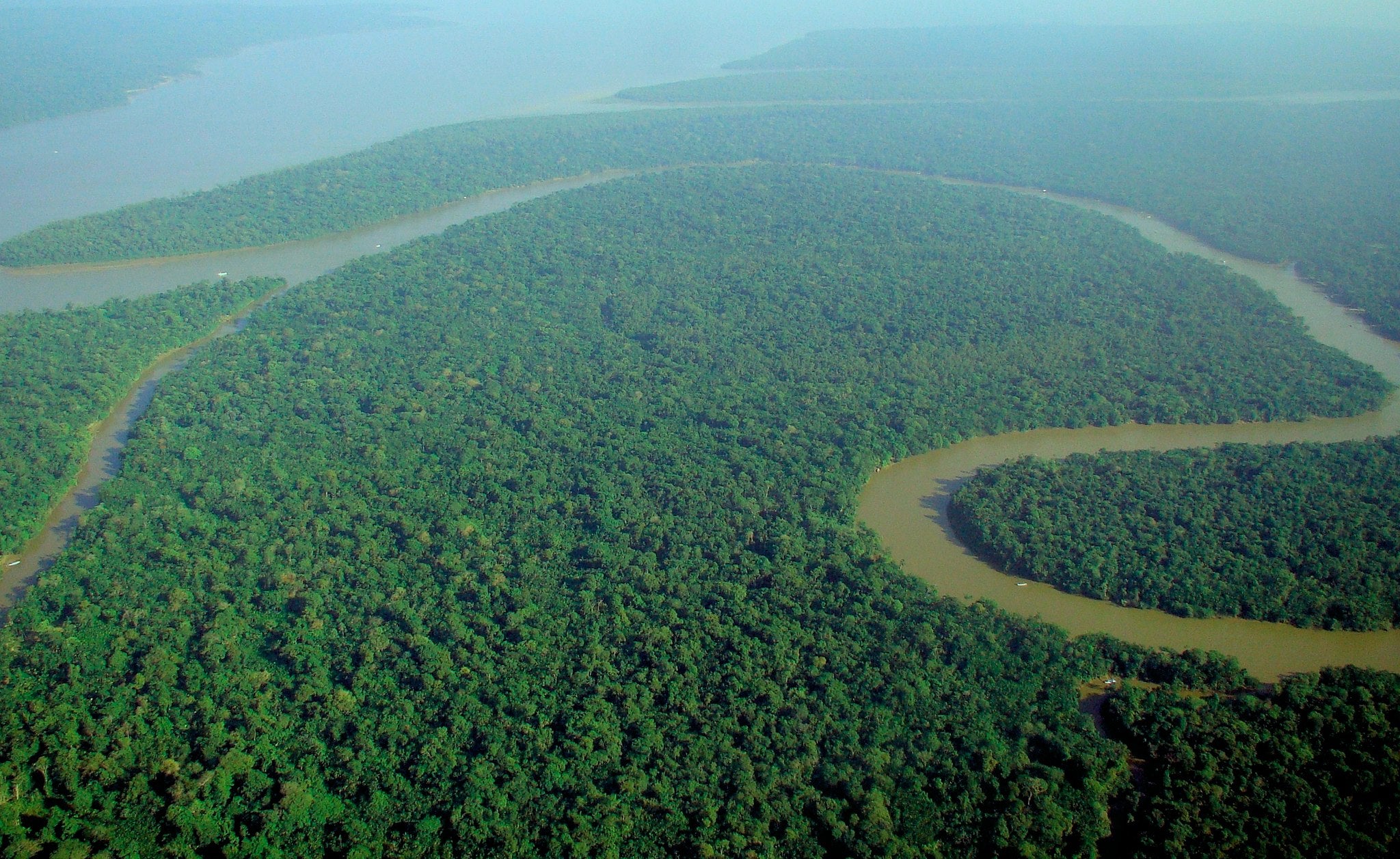
Hundreds of Indigenous communities are threatened by mining operations in the Amazon basin, with these operations also contributing to deforestation and endangering critical ecosystems across an area of around 450,000km2. The new report from World Resources Institute and RAISG details the full extent of large-scale mining and illegal mining on Indigenous territories in the Amazon rainforest.
The study found that the mining industry in the Amazon is contributing to the pollution of at least 30 Amazonian rivers, and eroding communities’ abilities to prevent deforestation. From 2000 to 2015, Indigenous lands with mining activities had higher incidences of tree cover loss than areas without mining activity. In Bolivia, Ecuador, and Peru, forest loss was at least three times higher in territories with mining activity than territories without.
Go deeper with GlobalData

Discover B2B Marketing That Performs
Combine business intelligence and editorial excellence to reach engaged professionals across 36 leading media platforms.
The report also assessed national laws across Bolivia, Brazil, Colombia, Ecuador, Guyana, and Peru, finding that the law often favours companies over Indigenous communities. While these countries all grant legal protections to Indigenous communities, the report argues these are insufficient and leave Indigenous peoples vulnerable to the harmful effects of mining. Government oversight of mining activities in Indigenous lands is also argued to be weak, with poor compliance with environmental and social safeguards and a lack of enforcement of existing legal protections. This can create tensions between Indigenous communities and miners that can escalate to violent conflict.
“We found that countries in the Amazon all grant some important legal protections to Indigenous people, but these protections are often weakly or unevenly enforced,” said international legal consultant and co-author of the report Patricia Quijano Vallejos. “Governments either own the mineral resources or control them, so Indigenous peoples can neither prohibit miners with government permits from entering their lands nor fully access the minerals within their territories.”
The report also recommends that companies should invest in ecological restoration and reforestation of old mining sites.
Guyana is the only country reviewed that grants Indigenous peoples a limited right to consent to mining on their lands, but authorities have ways to bypass that legislation. Michael McGarell, human rights coordinator for Indigenous organisation COICA and representative of the Amerindian People’s Association in Guyana, said: “Government officials can say, for example, that a mining concession on Amerindian land is in the public interest. This means that even if a community says no, the minister can say yes.”
The report outlines the steps government officials can take to protect Indigenous communities from harmful mining activities, noting that safeguarding Indigenous territories will require action from governments, companies, civil society leaders, non-governmental organisations and more.
“Protecting Indigenous communities will require a radical shift in governments’ approach to mining,” said former Peru mines minister Eleodoro Mayorga Alba. “This includes establishing and enforcing social and environmental safeguards aligned with international standards, more consistently monitoring mining operations across Indigenous lands and stepping up efforts to identify and prosecute those who facilitate illegal mining practices.”
The report noted that Indigenous communities have had some success in exercising their rights to shut down illegal, harmful mining on their lands. But to secure long-term benefits, Indigenous communities will need financial and technical assistance to monitor illegal mining practices on their lands and collect evidence that can be used in courts.



