

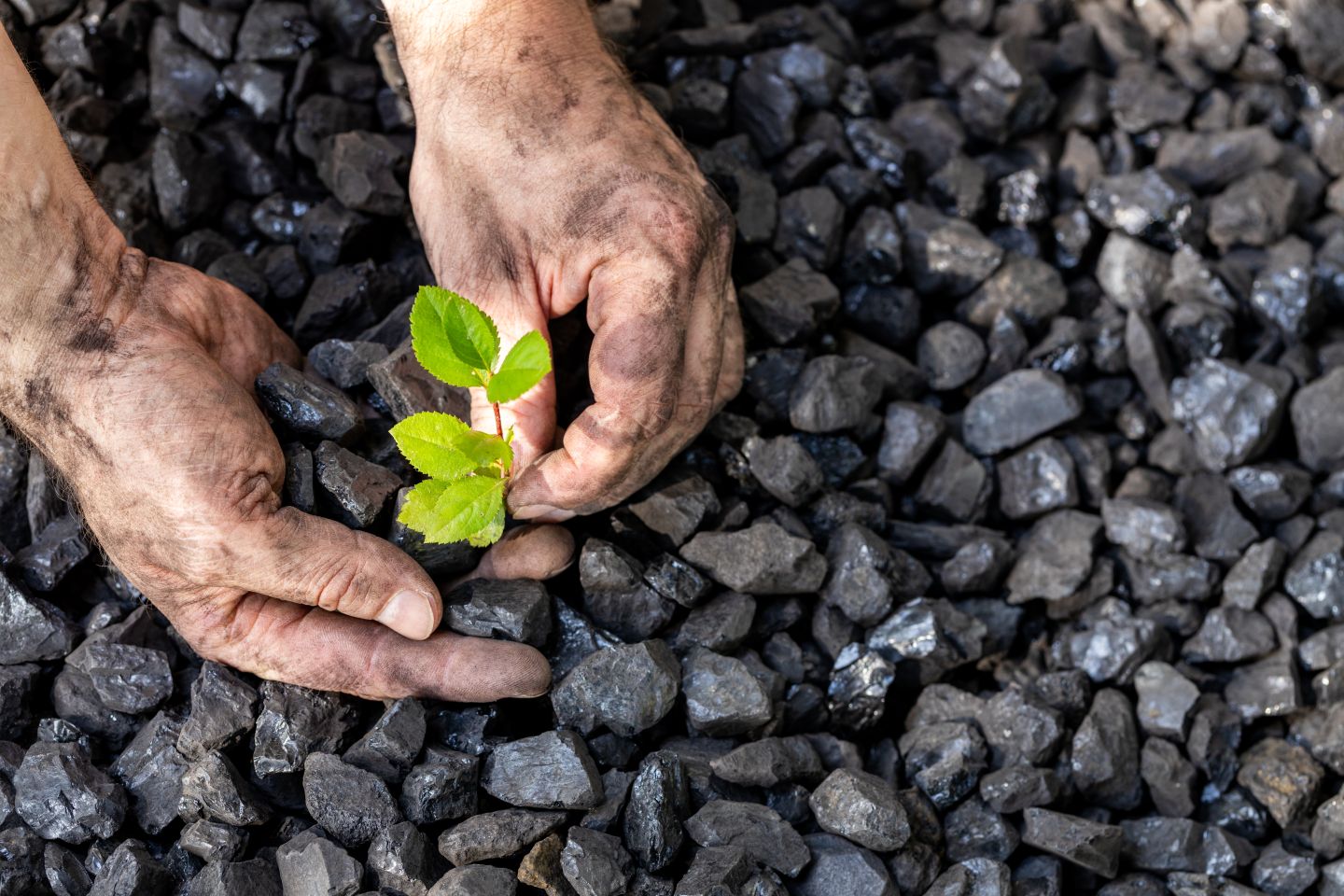
Much modern technology, and the convenience that comes along with it, is dependent on the mining sector. But when mining companies dig, excavate, flood, and create vast tailings, they place a huge burden on biodiversity—the keystone of the global economy. Habitat degradation, freshwater depletion, and species loss are all common impacts of mining operations, but this clashes with the sector’s reliance on fresh water, stable soil, and natural flood protection.
Mining-driven biodiversity loss translates into many different business risks that will harm companies’ bottom lines. Ecosystem degradation will hit these companies’ legal standing, financial health, brand reputation, and even their physical ability to operate.
Go deeper with GlobalData

Access deeper industry intelligence
Experience unmatched clarity with a single platform that combines unique data, AI, and human expertise.
The mining sector is one of the biggest drivers of global biodiversity loss
Developing a new mining site requires huge amounts of land use change, necessitating habitat destruction. This can lead to soil degradation, vegetation removal, and even species extinction. Mining can also produce toxic pollutants like mercury and cyanide, leading to soil, water, and air contamination.
This ecosystem degradation undermines ecosystem services that the global economy heavily relies on. For example, ecosystem regulating services maintain environmental stability, such as water filtration, air purification, carbon sequestration, pollination, and oxygen production. If governments had to provide these regulating services without the aid of nature, the cost would be astronomical. Some estimates suggest it would exceed global GDP. This means the mining sector’s contribution to biodiversity loss has real-world economic impacts. These economic impacts have typically been externalised by mining companies, but this exposes them to significant business risk.
By contributing to biodiversity loss, companies amplify the risk they face
GlobalData’s Climate Risk Framework can be applied to biodiversity loss, explaining the risks mining companies will face if they fail to implement nature-positive policies and biodiversity strategies. This framework consists of five biodiversity loss-related risks: physical risk, regulatory risk, market risk, financing risk, and reputational risk.
Physical risk arises when failing ecosystem services lead to water scarcity, flooding, or other disruptions. These risks can severely hamper operations and endanger nearby communities. Regulatory risk follows as governments tighten biodiversity protections worldwide; noncompliance with permitting, pollution, or habitat protection laws can lead to fines, forced shutdowns, and costly litigation. Market risk also looms large: environmental, social, and governance (ESG) concerns increasingly drive investor decisions and consumer preferences, meaning mining companies without strong biodiversity credentials may lose market share or face divestment.
Financing risk is developing as lenders and insurers demand robust nature-related credentials. Without a strong biodiversity strategy, firms may face steeper borrowing costs, conditional finance, or even outright denial of support. Finally, reputational risk is the risk companies face from reputational damage arising from policies that harm nature or a failure to follow through on lofty commitments. Unsustainable practices or greenwashing expose companies to activist campaigns, boycotts, and damage to brand trust.
Risks that seem peripheral today could become catastrophic tomorrow
History offers cautionary tales of what happens when biodiversity risks are ignored. In 2024, villagers near a Rio Tinto mine in Madagascar brought legal action after water contamination tests revealed dangerous levels of lead and uranium, spotlighting the human and legal fallout of mineral extraction gone wrong. In 2025, Alamos Gold and its contractors were fined a total of $128,654 (C$177,500) by the Ontario government for violating the Environmental Protection Act by dispersing “fly rock” at its Magino project.
These examples suggest that regulatory and reputational risks are currently dominant. Nonetheless, as biodiversity loss accelerates, physical, market, and financing risks will grow equally acute. As such, mining companies must develop a consistent and comprehensive strategy to mitigate these risks now.
Biodiversity protection and restoration must become a core part of mining companies’ strategy
The most cost-effective way for mining companies to mitigate all these risks is to act now to protect and restore biodiversity on and off their sites. Mitigating risk means first mapping where mining operations intersect with nature and then placing clear accountability at the board level for biodiversity performance. Mining companies should then invest in site preparation and extraction processes designed to minimise harm. This might mean methods like avoiding sensitive areas, restoring land, reducing footprint, and using compensation or biodiversity credits where necessary. Embracing nature-based solutions is also vital. This includes restoring habitats, stabilising slopes, improving soils, planting native species, and rewilding landscapes wherever possible.
By integrating nature-positive policies into their operations, mining firms can not only safeguard ecosystems but also build resilience against financial, legal, and market pressures. This will transform potential liabilities into competitive advantages and long-term sustainability.

