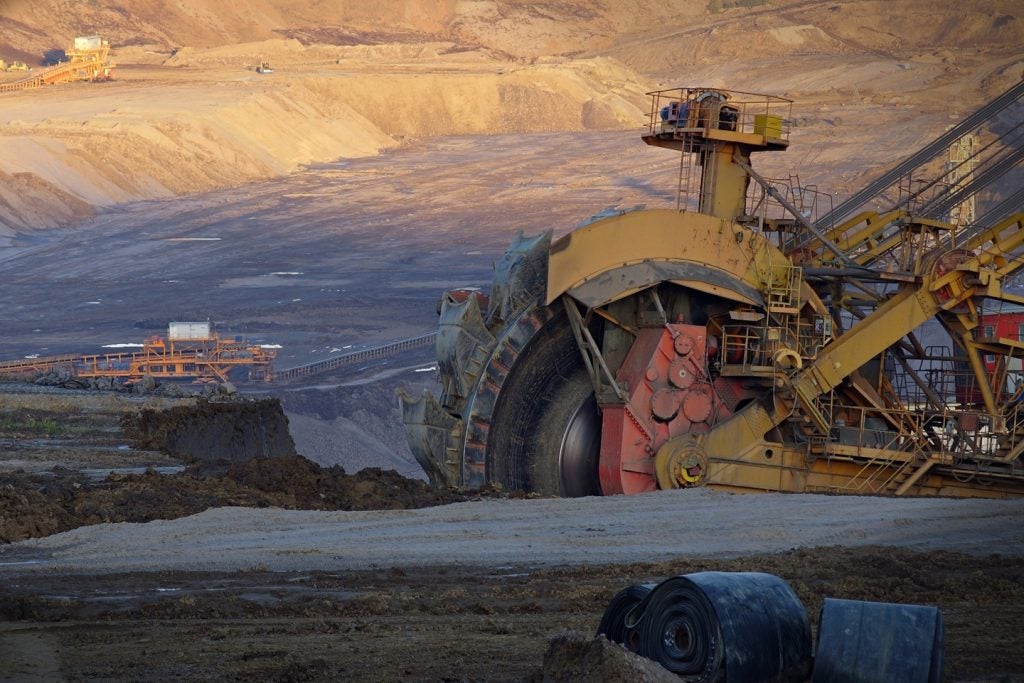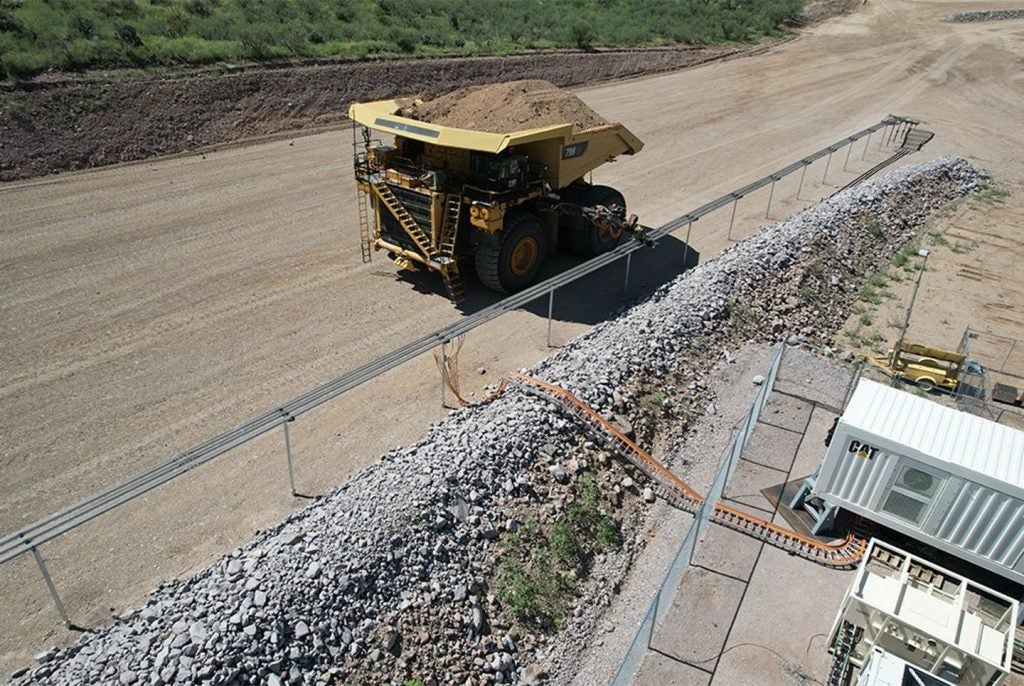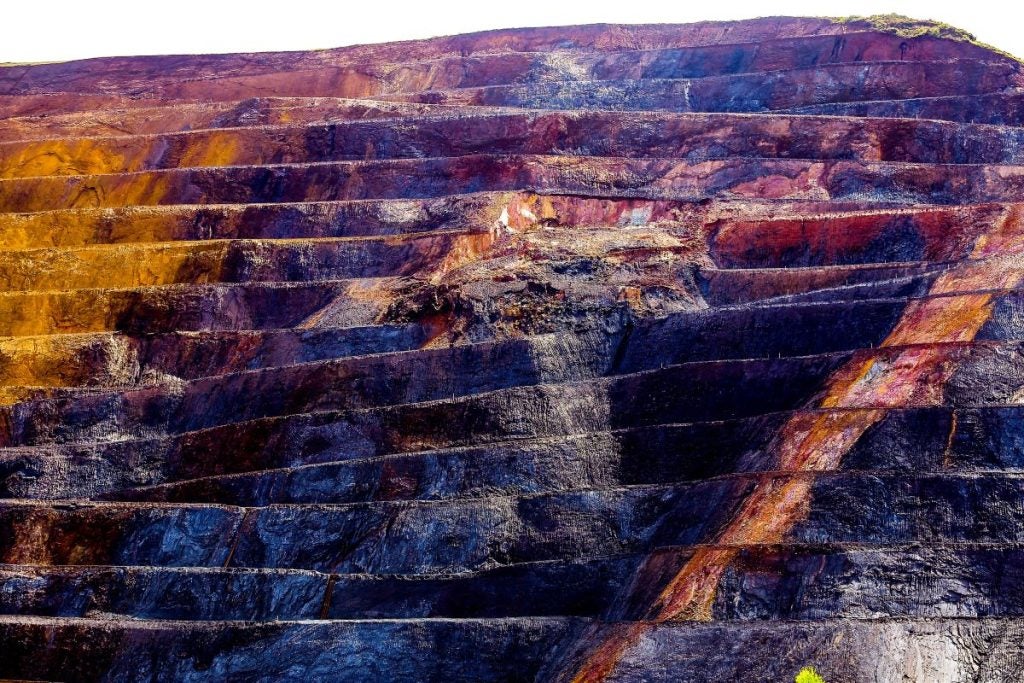


The Masbate Gold Mine is an open-pit gold mine located on the island of Masbate, about 350km south of the Philippines capital, Manila.
It is a brownfield site with established infrastructure including an airstrip, dedicated jetty, roads, accommodation, offices, clubhouse, workshops, assay laboratory and bunker fuel tanks, all of which require various degrees of rehabilitation.
Recommended White Papers

Recommended Buyers Guides

CGA acquired the mine in March 2007 and became the owner and operator of the mine. Philippine Gold Processing & Refining Corp (PGPRC) was the developer and owner of the processing plant.
It was responsible for the sale of all gold until 2012.
CGA had taken an $80.3m loan towards the development of the mine in 2008. The financing was granted by BNP Paribas at a repayment period of 4.5 years.
B2Gold Group acquired the mine in January 2013 from CGA Mining. The mine is jointly operated by Filminera Resources (FRC) and Philippine Gold Processing and Refining (PGPRC). B2Gold indirectly owns Philippine Gold, which holds a 40% stake in Filminera while the remaining 60% is held with Zoom.
A 4Mtpa processing plant was constructed by Leighton Contractors, which was commissioned in February 2009. The processing plant was expanded to increase throughput to 6.5Mtpa. A further expansion of the processing plant was proposed in November 2018 to increase the capacity to 9Mtpa.
Life of the mine is quoted at 9.5 years, with a payback period of 6.8 years.
Geology of Masbate mine
The Masbate gold deposits are centred on a northwest-to-southeast mineralised volcanic belt, 5-7km wide, which is bounded by two northwest-trending fault zones, the Pinanaan Fault to the east and the Malubi-Lanang-Balete Fault to the west.
The volcanic belt occurs along the western flank of an earlier diorite intrusive. Gold is associated with the volcanic belt while copper is reported to occur within the diorite intrusive.
The principal host rock to the gold mineralisation is a fractured andesitic-dacitic, tuffaceous agglomerate. Mineralisation occurs in quartz veins within the agglomerate, and also within associated altered and quartz stockworked wall rocks and breccias. The gold is generally finely distributed, with a suggested grain size of 5-20 microns.
Reserves
The mine proven and probable mineral reserves of Masbate gold mine as of January 2021 stood at 83.2Mt.
Production at Masbate gold mine
Production started in 2009 and the first gold was poured in May 2009. On 17 November 2009, a record daily production of 17,123t milled was achieved. Average annual gold production over the first eight years of the mine’s life was forecast at 200,000oz/y.
The mine produced 155,000oz of gold in 2012 and 204,699oz of gold in 2020.
The total material movement requirement averages 16.5Mt over the life of the mine, with a maximum of just over 21Mt in year three and a minimum requirement of just under 12Mt in year five.
Exploration at Masbate gold mine
The exploration drilling at the Masbate gold project began in April 2010 and was carried out until April 2011. It included 55,000m of drilling and 15,000m trenching. On 12 April a new exploration license was granted to the project. The new permit extends 52.3km² and is contiguous to the tenements currently mined.
The project exploration drill hole database included 425,464m of drilling and 15,786 m of trenching as of December 2016.
Processing
The processing plant is a conventional carbon-in-leach (CIL) type facility consisting of primary crushing, two-stage grinding, leaching, adsorption and thickening process stages; elution, electrowinning and smelting gold recovery stages; and a cyanide detoxification stage treating process plant tails before disposal in a new tailings storage facility, being built 3km from the plant.
Infrastructure details
Power is being supplied by three Sulzer units to provide a 32MW capacity on site. The units were chosen for reasons of lower operating costs (due to the efficiencies of the equipment) and to retain ownership of power supply from the start of operations. Poyry Energy was chosen to construct the power unit, which was commissioned in April 2009. The ongoing operations and maintenance are being undertaken by Wartsila Philippines.
Reclaim water recycled from the tailings storage facility provides the bulk of the process plant water supply. When this is not available, raw water is pumped from the existing Guinobatan River dam for general process use. Potable water is drawn from existing and new deep-well bores next to the river.
Expansion
CGA invested $15m on the expansion programme and also acquired an undisclosed stake in the Pajo property in order to increase the mine output.
Pajo covers an area of 786ha and is located to the north of the Colorado pit on the Mastabe Gold Project.
Contractors involved
The mine was developed by Leighton Contractors (Philippines), a wholly owned subsidiary of Leighton Holdings of Australia. CGA originally had a six-year agreement with Leighton that covered the supply of all mining and earth-moving equipment, maintenance and personnel to mine the ore and associated waste material. This contract was renewed and extended to support the 2011 expansion programme.