Harsh environments, complex logistics, and demanding safety requirements have always defined the mining industry. But today, as mining operations become increasingly automated, remote, and data-driven, another factor is becoming just as critical: reliable connectivity.
From autonomous equipment and connected workers to drones, remote-controlled machinery and real-time operational monitoring, modern mines depend on continuous connectivity to maintain productivity, safety, and operational continuity.
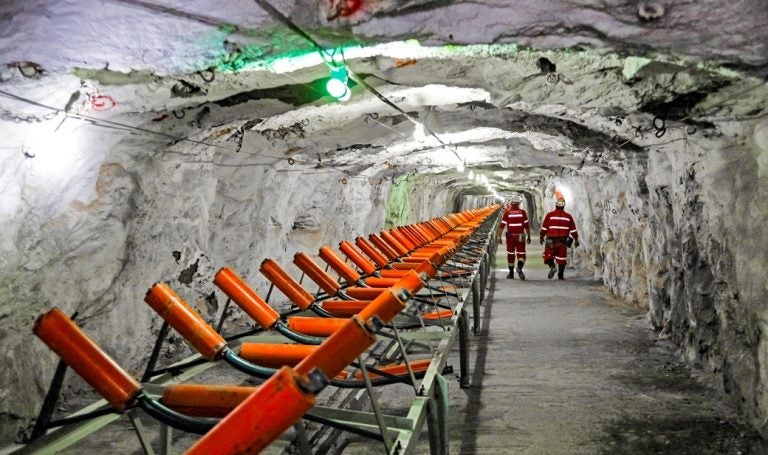
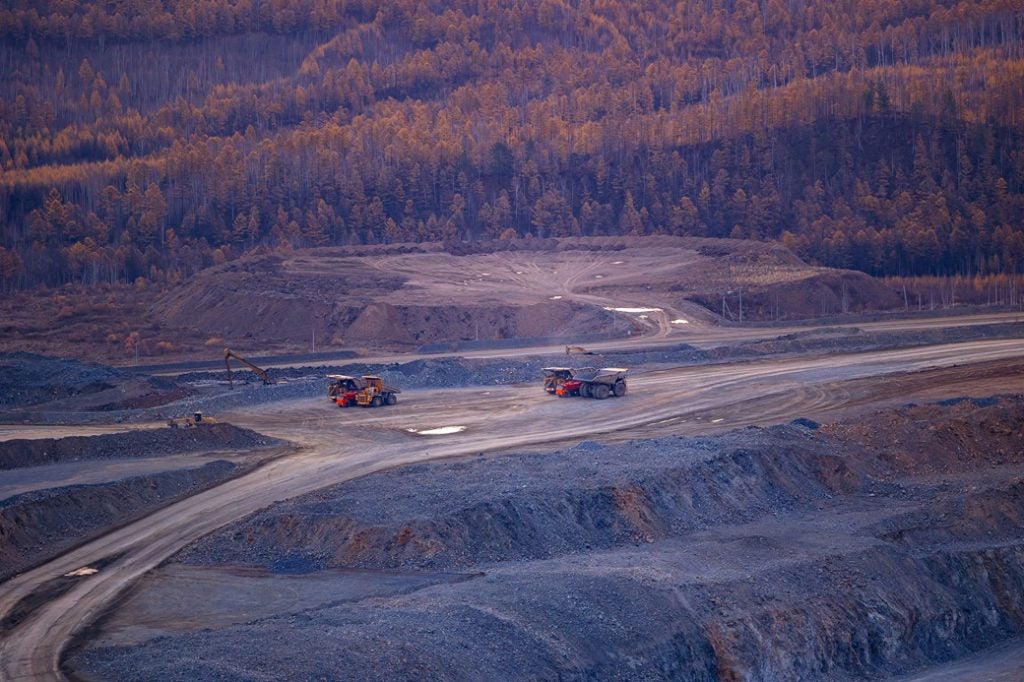
In many environments, however, traditional Wi‑Fi architectures can struggle to keep pace. Across large open-pit mines, limited Wi-Fi range can force operations to rely on numerous moveable trailers and repeated network retuning as conditions evolve. Underground environments present additional challenges, with tunnels, interference, and harsh ambient conditions affecting signal consistency and reliability.
The impact can extend well beyond connectivity itself, contributing to unplanned operational disruption, increased maintenance overheads, workflow inefficiencies and limitations on how far mines can scale remote operations and autonomous workflows.
In modern mining environments, the network is increasingly becoming critical infrastructure in its own right, supporting machine control, real-time video, fleet telemetry and the systems that underpin production and maintenance. As mining companies push toward safer, smarter and more automated operations, predictable connectivity is becoming essential to maintaining uptime, operational continuity and workforce safety.
This is where private cellular networks — including private 4G and 5G — are delivering increased value by providing scalable coverage, reliable mobility and consistent performance across large industrial environments.
For mining operators, the business case for private 5G is no longer being driven by connectivity alone, but by measurable business outcomes. The focus is shifting toward reducing downtime, improving safety, simplifying operations, and enabling remote and autonomous workflows at scale.
One of the clearest ways operators can evaluate this shift is through real-world deployments already demonstrating measurable business impact.
Why connectivity has become business critical
Ericsson’s work with a leading global gold mining company demonstrates how private cellular networks can help improve worker safety, support higher productivity, and provide a scalable foundation for digital transformation across mining operations.
The mining company partnered with Ericsson to deploy scalable, whole-of-mine private cellular networks across global operations, in remote and operationally demanding environments. The networks were to address immediate operational challenges while creating a long-term platform for modernisation and future innovation.
The deployment delivered immediate operational improvements, fewer disruptions, and more reliable connectivity. Leadership noted a significant operational shift following deployment, particularly during critical production periods where resilient connectivity helped minimise downtime and improve continuity of operations.
Real-life private 5G network case studies
Across numerous major mining organisations, the impact of private cellular networks became visible in three critical areas: safety, operational efficiency and reliability.
Use case: Safety
Location: Remote mining operation
Challenge: The mining company operates in a geologically active and remote environment where operational risks are high.
Results: Deploying Ericsson’s private cellular network enabled the company to relocate networking equipment and technical personnel away from hazardous areas within the mine. This reduced the need for employees to work in environments exposed to extreme heat, hazardous gases, and other operational risks. The deployment demonstrated how modern connectivity infrastructure can directly contribute to safer operating practices while also improving operational resilience.
Use case: Operational efficiency
Location: Large open-pit mining site
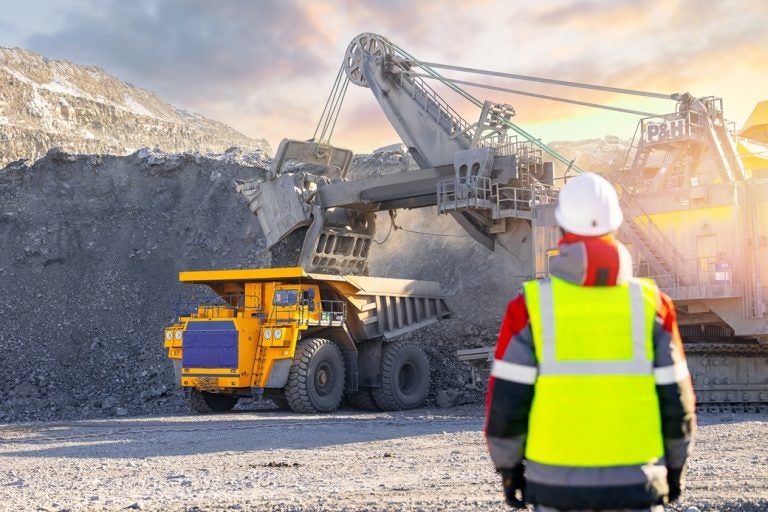
Challenge: The company previously relied on numerous movable Wi-Fi trailers that required constant repositioning as mining conditions changed. This created operational complexity, downtime, and ongoing network management challenges.
Results: The company replaced temporary Wi-Fi infrastructure with strategically placed private cellular network coverage across the site. The transition reduced the operational burden associated with repositioning temporary networking assets and simplified day-to-day connectivity management. With fewer temporary assets to maintain and a reduction in repeated tuning tasks, the operation lowered disruptions, streamlined connectivity operations, and improved overall operational efficiency.
Use case: Reliability and remote operations
Location: Mining operation in remote areas
Challenge: The mining company needed reliable connectivity to support remotely operated heavy equipment in a high-risk construction area. Legacy Wi-Fi infrastructure created operational delays due to limited range, interference, connectivity obstructions, and the need for frequent trailer repositioning.
Results: Ericsson private 5G delivered predictable, high-performance connectivity across the entire operational zone, eliminating many of the constraints associated with the previous network environment. The deployment enabled:
- Reliable remote operation of heavy equipment
- Expanded wireless coverage across large operational areas
- Faster deployment and simplified network management
- Improved operational continuity with fewer service disruptions
- Increased productivity and material movement capacity
- Improved worker safety by keeping operators and technical personnel outside hazardous zones
It demonstrated how private 5G can support both productivity and safety objectives simultaneously, while providing the reliability needed for mission-critical industrial operations.
Building the foundation for digital mining operations
Across these deployments, the pattern is consistent: when connectivity becomes reliable, scalable and predictable, mining companies can pursue automation, remote operations and data-driven decision-making with greater confidence.
Private 5G networks support critical machine control, enable safer work practices and reduce the operational burden associated with movable Wi‑Fi infrastructure and repeated reconfigurations.
The expansion of private 5G across mines worldwide indicates where the broader industry is heading – toward more connected, automated, and remotely operated mining environments above and below the ground.
To learn more about 5G-enabled networks for mining operations, download the full report below.