The ability to move data reliably across a mine site allows operators to optimise energy consumption, reduce fuel waste, support autonomous operations and measure emissions in real time. As the industry works towards net-zero operational emissions by 2050 and increasingly ambitious interim targets, connectivity is emerging not as a technology upgrade, but as essential decarbonisation infrastructure.
Most major mining companies have established ambitious emissions-reduction targets but achieving them requires more than deploying new technologies. Whether reducing haul-truck fuel consumption, optimising energy-intensive processes or scaling automation, operators depend on real-time operational data to identify inefficiencies and act on them quickly. With so much at stake, connectivity is now emerging as the operational foundation behind every major decarbonisation investment, enabling electrification, automation and energy-optimisation initiatives to deliver measurable results.
How connected fleet management can reduce diesel waste
Diesel-powered mobile equipment remains one of the largest contributors to operational emissions in mining. While fleet electrification is a long-term priority for many operations, significant reductions can also be achieved by changing how equipment is dispatched, routed and maintained today.
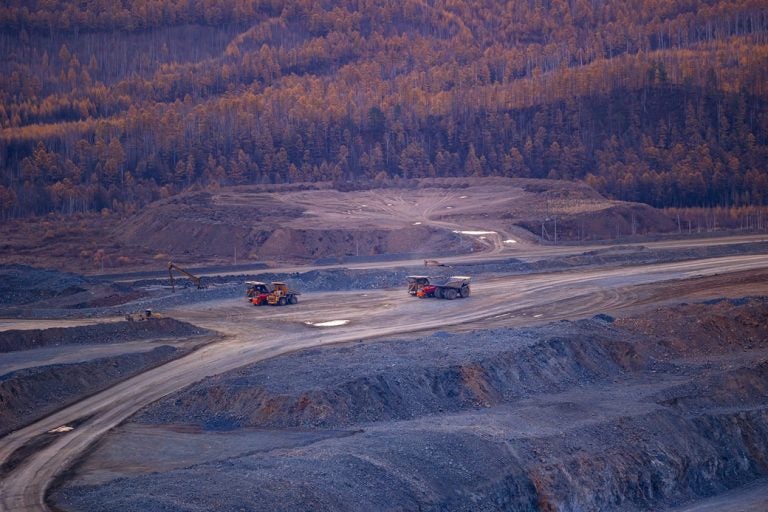
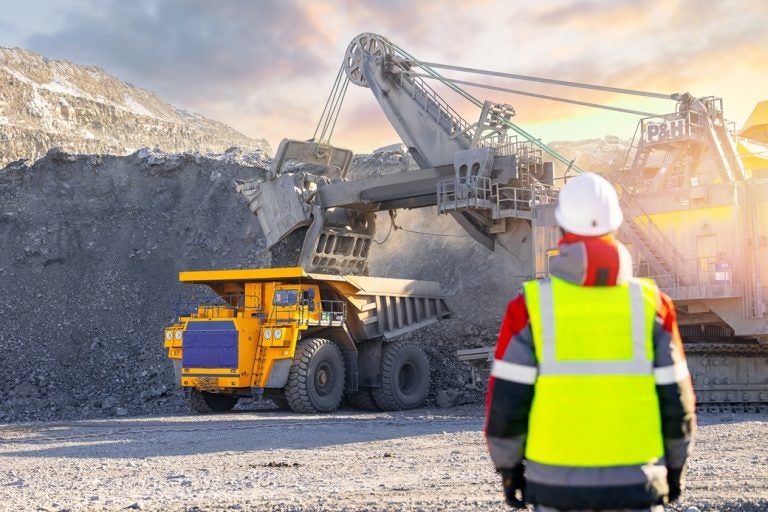
Fuel consumption is heavily influenced by queuing, congestion, excessive idling and inefficient routing, but reliable connectivity allows fleet-management systems to collect and share information from trucks, loaders and processing equipment in real-time. This allows dispatch systems to optimise movements across the site and reduce unnecessary movement and fuel burn. By coordinating arrivals at loading and processing points, operations can enhance asset utilisation while reducing wasted energy.
Reliable connectivity also supports autonomous and remote-operated equipment. Consistent acceleration, braking and route adherence can improve fuel efficiency compared with irregular driving patterns. Meanwhile, remote operations can help maintain productivity and simultaneously remove workers from hazardous environments. However, these technologies rely on continuous, predictable and low-latency communications across the mine site.
Boliden’s Aitik copper mine provides a practical example of how reliable connectivity can support automation, improve asset utilisation and reduce operational inefficiencies. According to Ericsson, the mine has reported saving approximately two hours each day on a 20-hour operating schedule, increasing production by 10% and improving operational efficiency by 50%. These results demonstrate how better equipment utilisation and reduced idle time can influence productivity while lowering the energy required per unit of output.
Beyond individual applications, there is also longer-term value in establishing a reusable digital foundation. Once reliable connectivity is in place, mines can introduce additional automation, artificial intelligence, optimisation and monitoring applications without rebuilding the communications infrastructure for every new initiative. – Additionally, advances in radio technology have significantly improved the energy efficiency of private 5G networks, allowing mines to expand digital operations while minimising the power required to operate the communications infrastructure.
How real-time mine data can improve energy efficiency
Beyond vehicle fleets, ventilation, pumping, crushing, grinding, and materials handling also consume substantial energy. Systems controlled by fixed schedules or incomplete information may continue to operate at full capacity even when demand has fallen.
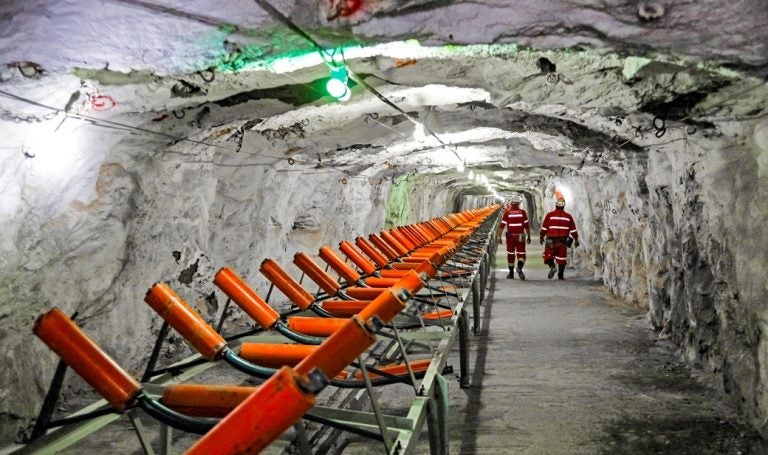
Connected environmental monitoring allows underground ventilation to respond to actual air conditions and the locations of workers and equipment. Pumps, processing equipment and utilities can be monitored in the same way, helping operators identify abnormal consumption, improve utilisation and reduce waste. This data is particularly valuable when these applications share a single operational picture.
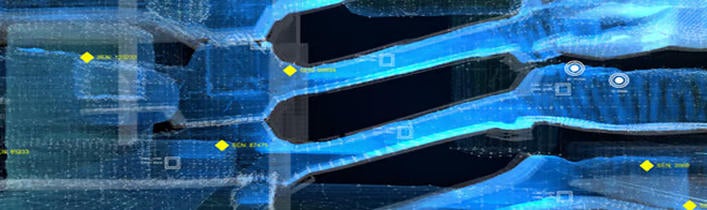
Systems such as Ericsson Private 5G, combined with Becker/LASEC’s Smartflow platform, gather data from sensors, machinery and operational systems into a live digital representation of the mine. Applications can include ventilation on demand, continuous environmental monitoring, predictive maintenance, dynamic fleet dispatch, collision avoidance, man-down detection and evacuation guidance.[i]
By connecting these systems, operators can better coordinate equipment, monitor air quality, identify maintenance needs, respond to an emergency, and operate energy-consuming systems according to operational performance. Continuous visibility into energy, emissions, water, and equipment use can also strengthen reporting and audit capabilities while helping sustainability teams track progress against emission targets.
Building a scalable business case for mine connectivity
In an environment of cost pressures and uncertain commodity markets, technology investments must demonstrate measurable value. Connectivity is often easier to justify when it is treated as shared operational infrastructure rather than a project tied to one machine or a single application.
Private 5G networks can simultaneously support emissions monitoring, energy tracking, fleet optimisation, remote operations, predictive maintenance, environmental monitoring, worker safety, and future AI-driven applications. As a result, benefits can be evaluated across production outcomes, operating costs, energy efficiency, safety performance, and sustainability objectives.
Many operators begin with a clearly defined operational challenge, such as reducing haul-truck idling, improving ventilation energy or supporting a remote-control application affected by network outages. Once value has been demonstrated, the same connectivity platform can be expanded across additional equipment, processes, and use cases.
Long-term flexibility is equally important. As mines expand, deepen and adopt new technologies, communications infrastructure must be capable of evolving alongside operational requirements. Ericsson says its approach is based on open standards and collaboration with equipment manufacturers, application providers and system integrators, allowing operators to introduce new capabilities over time rather than replace infrastructure as requirements change.
Looking ahead
Mining’s transition will continue to depend on cleaner electricity, electrified machinery and increasingly intelligent operations. But the technologies designed to reduce emissions can only achieve their full potential when supported by reliable, real-time communications.
As mines become more automated and data-driven, connectivity is evolving beyond a traditional technology utility. It is becoming the operational foundation that enables digital transformation, supports sustainability goals, and helps operations reduce emissions while maintaining productivity.
For mining companies working towards ambitious 2030 and 2050 targets, connectivity is no longer a simple technology investment; it is a critical part of the infrastructure required to achieve decarbonisation at scale. To learn more, download the whitepaper below.
[i] https://www.ericsson.com/en/blog/2026/6/how-leading-mines-achieve-real-time-operations-with-private-5g-and-and-smartflow